

Antonín Dvořák (1841–1904) was a Czech composer whose gift for weaving folk melodies into classical forms made him one of the most beloved figures of the Romantic era. Raised in a small Bohemian village, he trained in Prague and worked as a violist before gaining international recognition in the 1870s with his Slavonic Dances, championed by Johannes Brahms. His music—spanning symphonies, chamber works, operas, and choral pieces—combined lyrical invention with national character, earning him acclaim across Europe and America. Later, as director of New York’s National Conservatory, he composed enduring masterpieces such as the New World Symphony and the Cello Concerto.
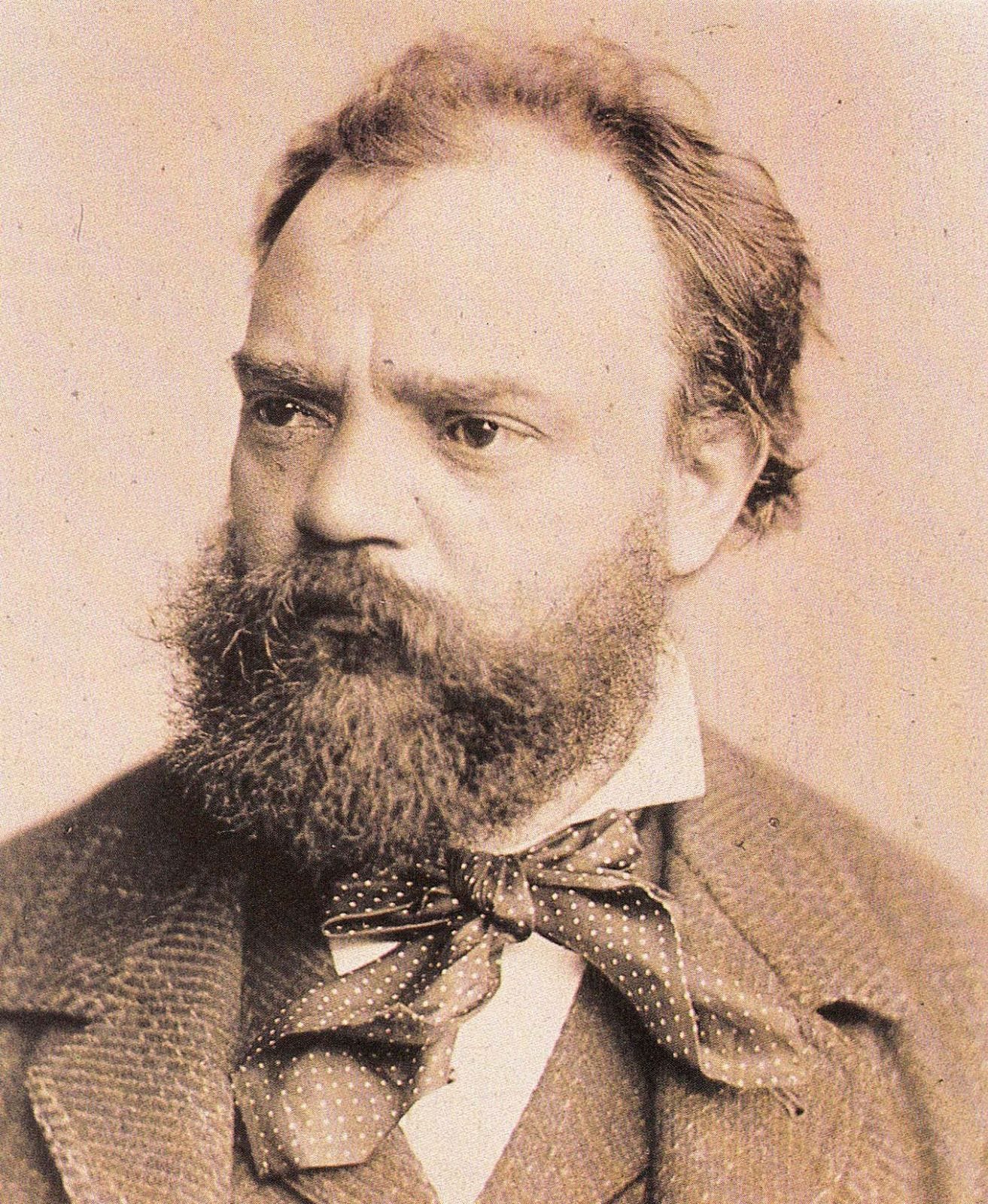
In the summer of 1893, Dvořák found a haven in Spillville, Iowa among Czech immigrants who reminded him of home. He settled into a simple routine—morning walks, daily Mass, and playing the organ at St. Wenceslaus—while enjoying the quiet countryside and familiar language. The peaceful setting inspired him to finish the New World Symphony and compose the American String Quartet, works infused with both folk spirit and his impressions of America. For locals, his presence was memorable: the famous composer strolling along the Turkey River, relaxed and at ease in their small town.
Dvořák in Iowa | Iowa PBS Explores
The music of the people is like a rare and lovely flower growing amidst encroaching weeds. Thousands pass it, while others trample it under foot, and thus the chances are that it will perish before it is seen by the one discriminating spirit who will prize it above all else. The fact that no one has as yet arisen to make the most of it does not prove that nothing is there.


