RHYTHM, REVERENCE AND THE LIVING PULSE OF SOUND
The William Baker Festival Singers Celebrates The Music of Sean Sweeden
By Patrick Neas, KC Arts Beat
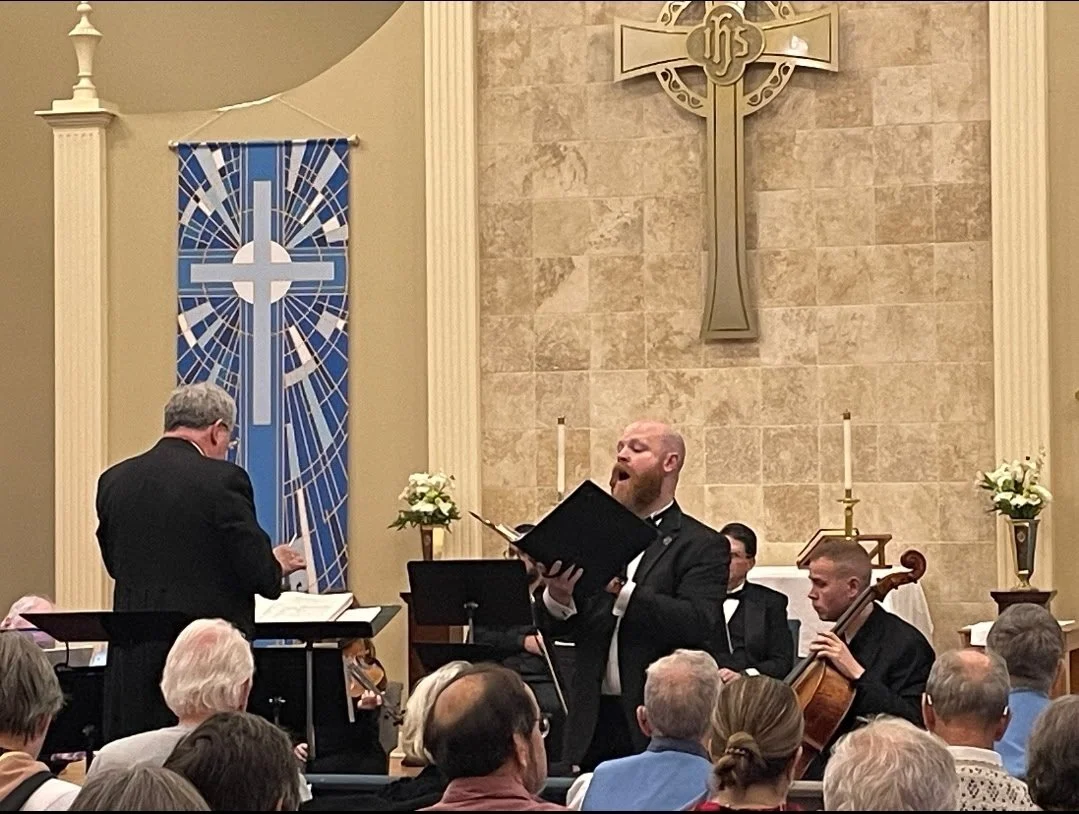
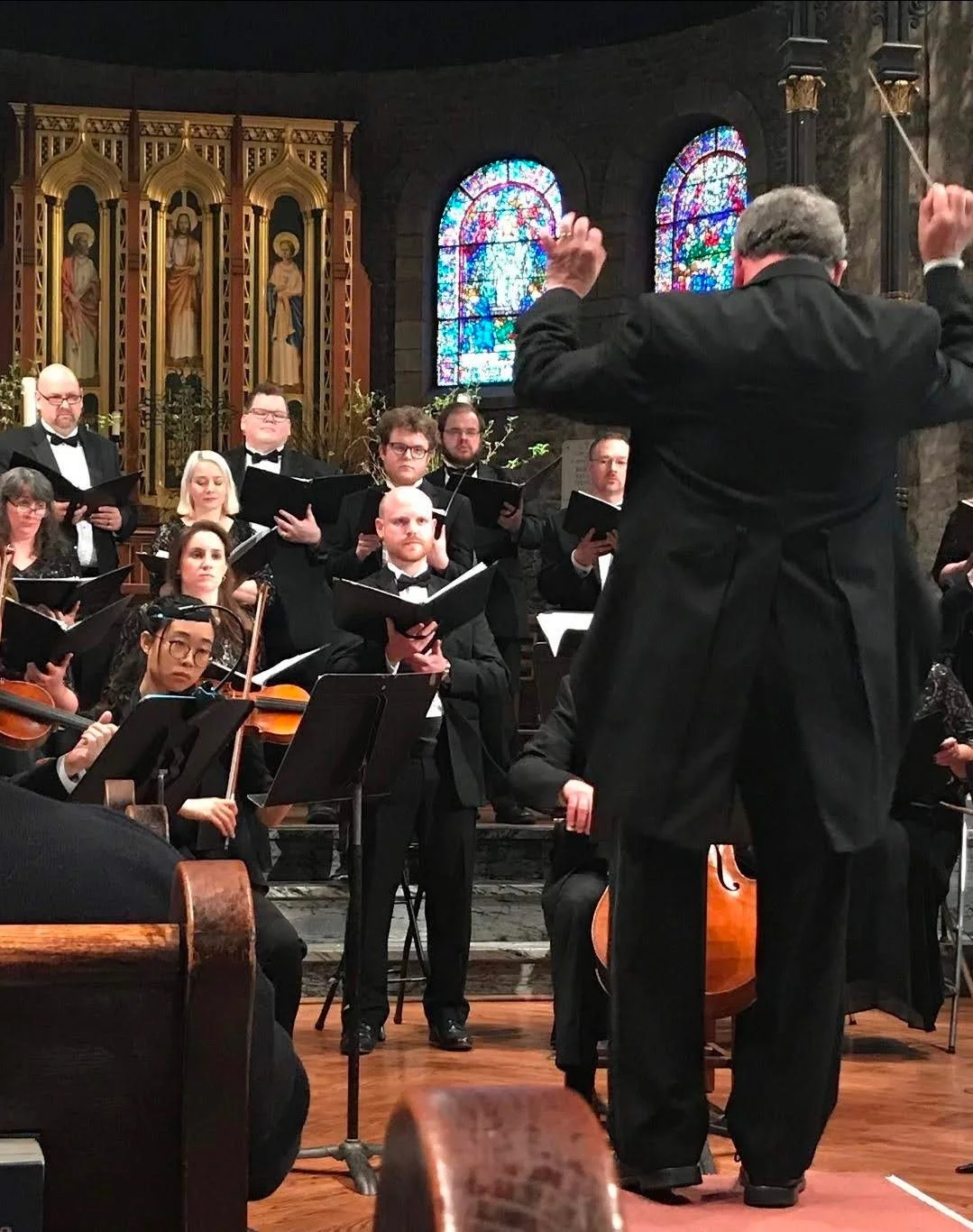
In a choral landscape often dominated by familiar repertoire and predictable programming, the collaboration between conductor William Baker and composer‑percussionist Sean Sweeden offers something far more vital: a living conversation between rhythm and voice, tradition and innovation, memory and imagination.
The William Baker Festival Singers Celebrates the Music of Sean Sweeden February 20 at St. Michael and All Angels Church. The concert, which is devoted entirely to Sweeden’s music, begins at 7:30 p.m.
Baker, who has long championed composers with distinctive sonic signatures, speaks of Sweeden with a mixture of admiration and delight. “Sean… aside from being a brilliant percussionist and an insightful and expressive composer, is also a fantastic tenor,” he said. What began as a simple introduction through a mutual colleague quickly became a creative alignment. When the ensemble needed a new composer‑in‑residence, Baker remembers, “there wasn’t any hesitation and there wasn’t any doubt who we were going to appoint.”
Sweeden’s path to this moment is rooted in a lifetime of musical immersion. Raised by musician parents — his father a choir director and piano teacher — he grew up surrounded by melody, harmony, and the daily rituals of ensemble life. Yet it was percussion that captured his imagination early on. “I was really wanting to do something that seemed very different from singing or piano,” he said. That impulse toward contrast, toward exploring the edges of musical identity, would become a defining thread in his work.
His academic journey took him from Arkansas Tech University to the University of Arkansas, and eventually to UMKC, where he pursued a doctorate in percussion. Along the way, composition emerged not as a departure from performance but as an extension of it — a way to synthesize the rhythmic vitality of percussion with the expressive breadth of the human voice. “It was just kind of a natural thing for me to try to work with both of those things together,” he said.
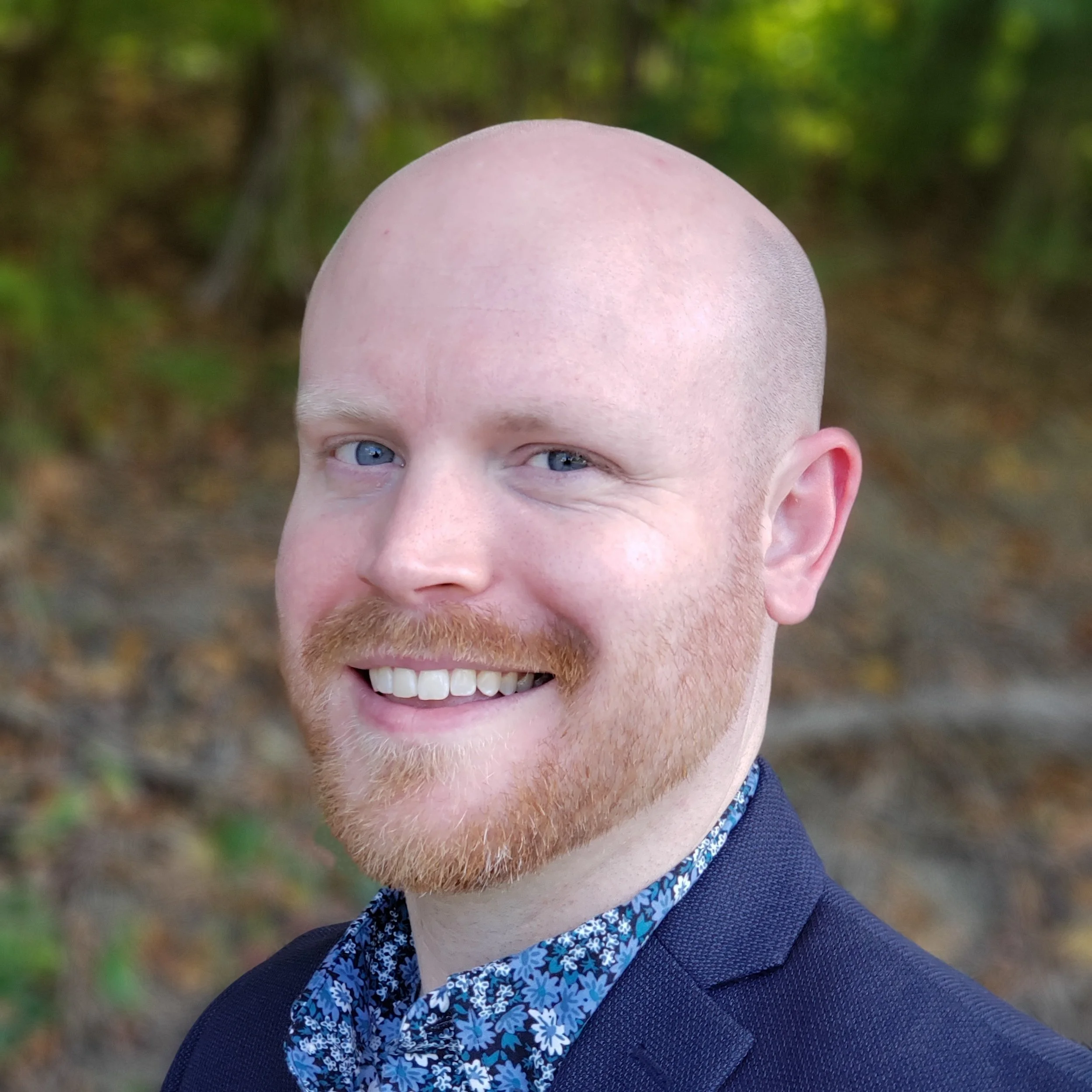
Sean Sweeden
This fusion is not merely technical; it is conceptual. Sweeden’s music draws from a wide constellation of influences — “all the way from John Williams to Benjamin Britten, and even popular music,” he notes — but what distinguishes his voice is the way he treats rhythm as a structural and emotional force. Baker articulates this with characteristic clarity: “Rhythm and energy and vitality in rhythm is one of his signatures, even in some of the choral pieces that do not use percussion instruments.”
One of the works Baker returns to repeatedly is Sunward, a setting of John Gillespie McGee Jr.’s aviation poem High Flight. McGee himself was a young Canadian‑American pilot who volunteered for the Royal Canadian Air Force before the United States entered World War II. He flew Spitfires over England, and it was during a training flight in 1941 — after climbing to 30,000 feet — that he wrote the poem that would become his legacy. Only months later, at age 19, he died in a mid‑air collision.
High Flight has since become an emblem of aviation’s spiritual dimension. Its final line — “put out my hand and touched the face of God” — entered American cultural memory through President Ronald Reagan’s 1986 address following the Space Shuttle Challenger disaster. Reagan invoked McGee’s words to honor the astronauts’ courage and to frame their loss within a vision of ascent, wonder, and transcendence.
Sweden’s musical setting taps directly into that lineage. In describing the piece, Baker offers a glimpse into Sweden’s imaginative world: “Using a polyrhythmic and polytonal section, it creates the image of flight. You can almost hear the propellers of a World War II era plane… the plane is dancing.” The music does not merely accompany the text; it animates it, embodying the poem’s ecstatic upward sweep. Baker calls the result “profound in its beauty, profound in how it captures the idea.”

Supermarine Spitfire like the one flown by John Magee.

Challenger being transported by Shuttle Carrier Aircraft 905, shortly before being delivered in 1982
Sweeden’s fascination with the interplay between voice and percussion extends into his newest works. The concert opens with a setting of Alleluia, a piece he describes as both a challenge and an opportunity. “I wanted to… compose a piece using just Alleluia, because that felt like a challenge to just have one word,” he explains. Without the guidance of a narrative text, he turned to rhythm and texture as expressive tools, juxtaposing intricate choral patterns with shimmering metallic percussion — suspended cymbals, gong, triangles — to create a luminous sonic field.
The program concludes with a premiere, We Are Held, drawn from a poem in Crickets and Commas by Robert Bode. Here, Sweeden leans into gospel‑inflected warmth, supported by a trio of triangle parts played in a Cuban style, combining short articulated notes with long sustained tones. The piece, he says, was “really, really good to work with,” a testament to how deeply he responds to text as a catalyst for musical architecture.
Yet perhaps the most emotionally resonant work on the program was written in memory of percussionist Elizabeth Stevens. I was close friends with Liz. She was a wonderful, one-of-a-kind person. After working as a percussionist, she eventually turned to film-making and voice-over work, at which she excelled. She had moved to New York, but two years before her death at the age of 35, she had moved back to Kansas City so her family could assist her as she fought her battle with brain cancer. I will always treasure the memories of going to concerts with Liz and spending precious time with her those last two years. Her stoicism was beyond belief and her humility and kindness can only be described as saintly. St. Michael and All Angels was where her memorial was held in 2017.
The piece Sweeden wrote in her memory is called Beneath the Snow, and Baker speaks of it with reverence: “We’ve had some of our members that have struggled with bereavement… and they have found it deeply moving to sing this piece.” He imagines it entering the broader liturgical repertoire: “I certainly hope it appears in a hymnal one day… and in my church, I will certainly use it on All Saints Day.”
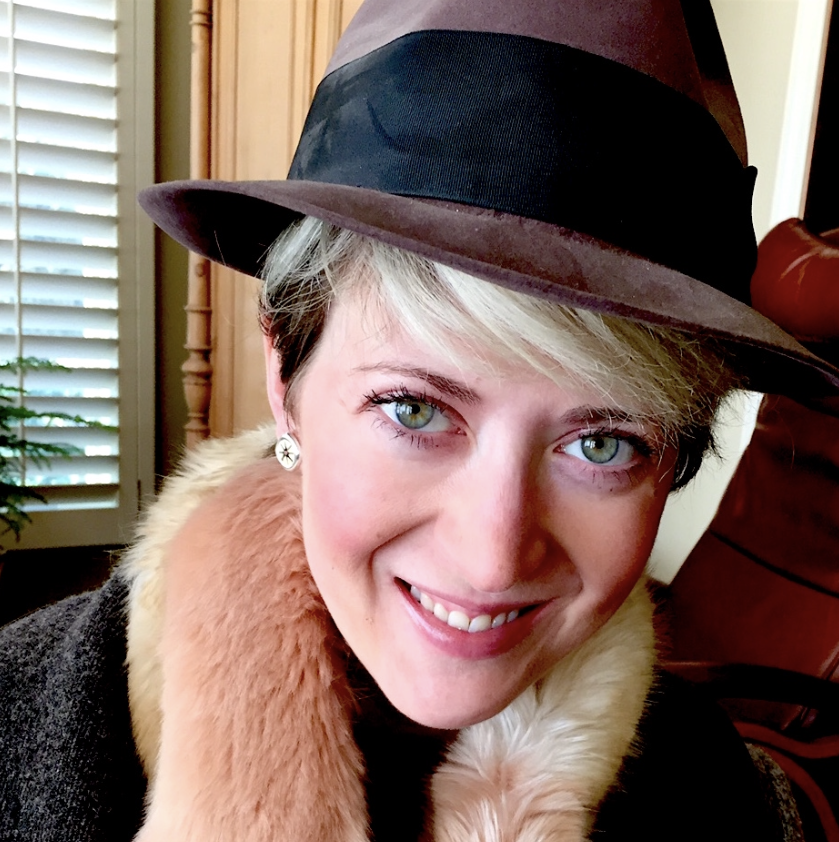
Elizabeth Stephens
What emerges across these works is a portrait of a composer who listens deeply — to history, to timbre, to the emotional contours of language — and a conductor who recognizes the rare alchemy of that listening. Their collaboration is not merely professional; it is a shared commitment to expanding what choral music can be.
In an era when artistic traditions can feel fragile, Sweeden and Baker offer something sturdier: music that honors the past while speaking in a voice unmistakably of the present, music that invites listeners into a world where rhythm breathes, where voices shimmer, and where the boundaries between percussion and song dissolve into something luminous and alive.
The William Baker Festival Singers Celebrates The Music of Sean Sweeden
7:30 p.m. February 20. St. Michael and All Angels, 6630 Nall Avenue
For tickets, https://tinyurl.com/3w8a625r