
HANDEL WITH CANDLES
Spire Presents an Atmospheric Messiah
Patrick Neas, KC Arts Beat
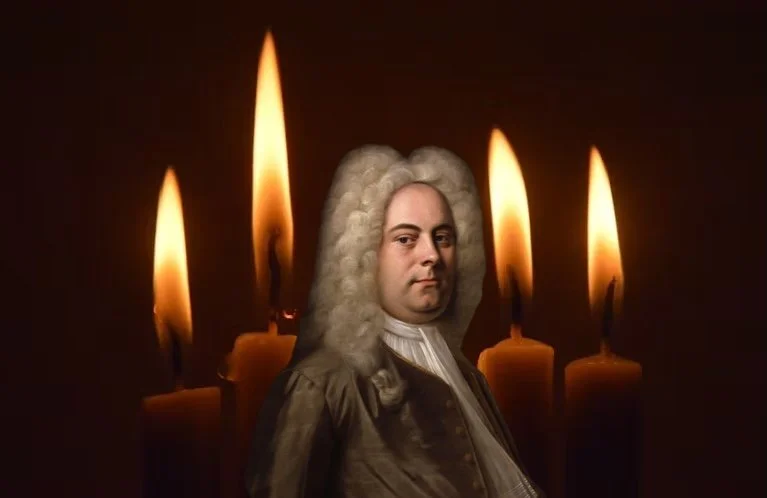
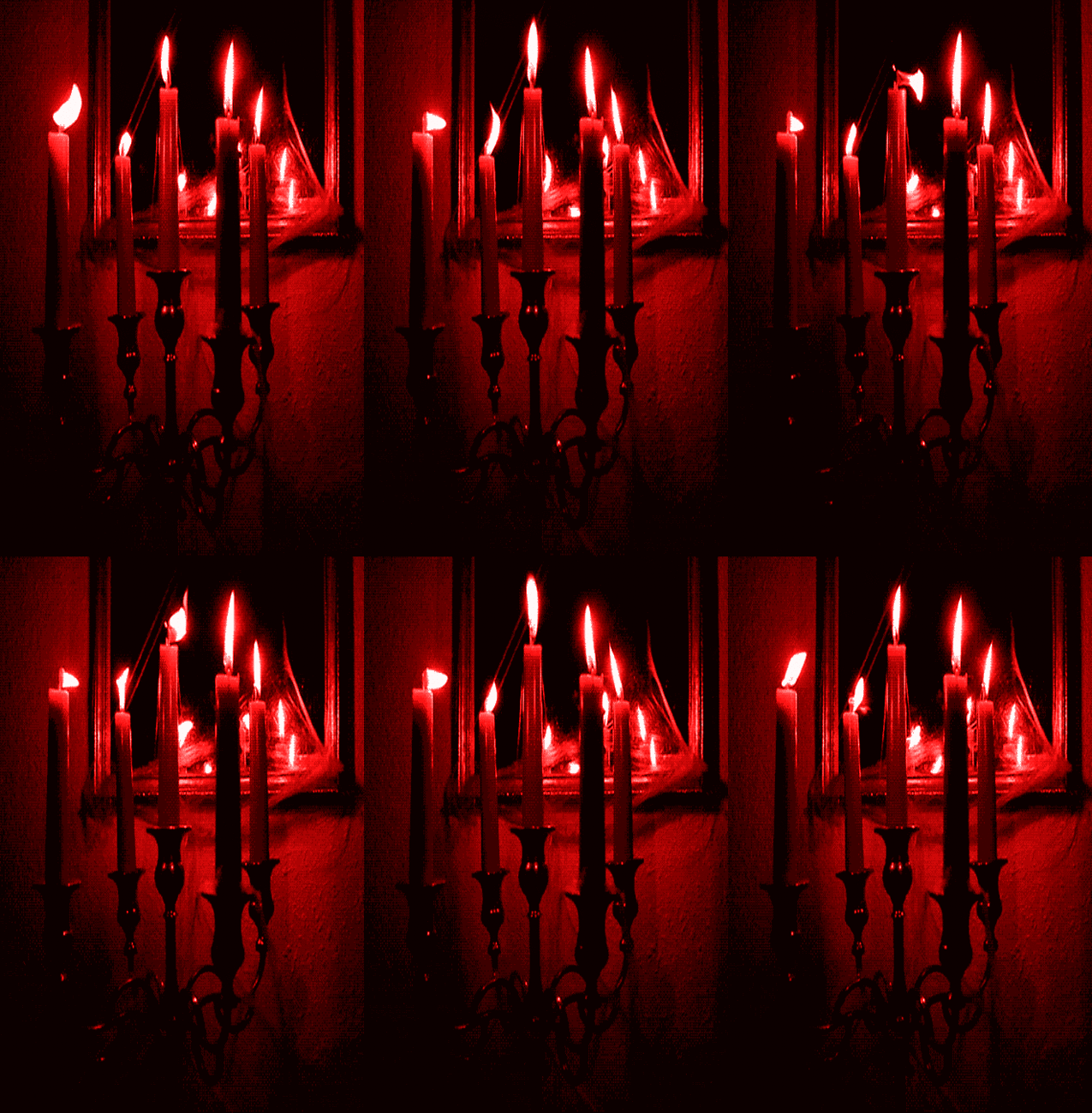
When Handel’s Messiah was first performed in Dublin on April 13, 1742, the world was lit only by fire. Although that first performance happened at noon, most of Handel’s oratorios were performed in the evening in secular venues like the Covent Garden Theatre, which was illuminated entirely by chandeliers and sconces filled with candles. In fact, the chandeliers often had to be lowered mid-performance to trim and replace the candles. One can only imagine how the candles’ warm glow enhanced the drama of Handel’s already dramatic masterpieces.
You will have a chance to experience the magic of a candlelit performance when the Spire Chamber Ensemble led by Ben Spalding presents Handel’s Messiah by Candlelight at 7 p.m. Dec. 23 at the Folly Theater. To add to the authenticity, the music will be performed on period instruments.
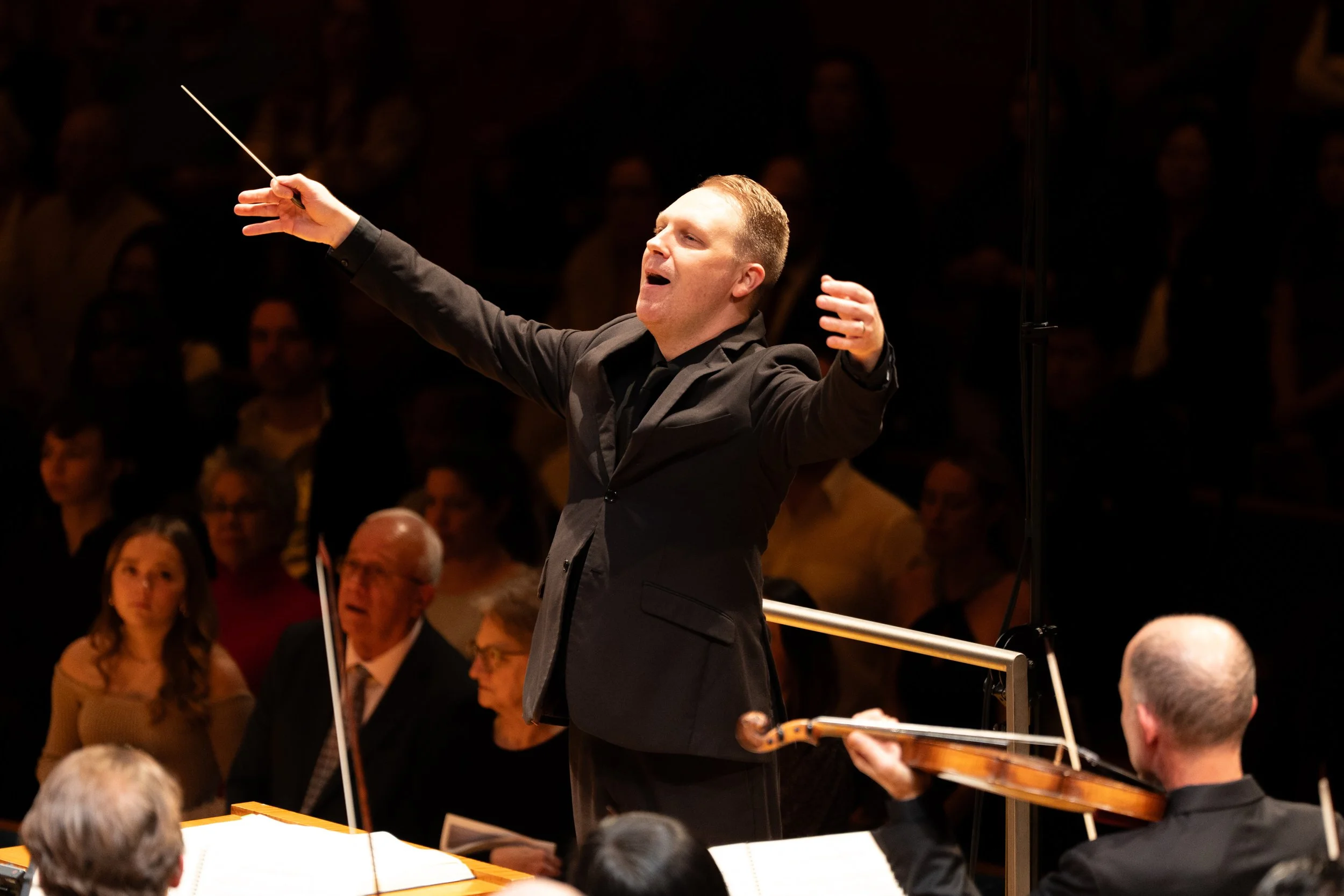
Ben Spalding
Handel’s Messiah was first performed at the Fishamble Street Music Hall in Dublin on 13 April 1742 as a fundraiser for The Charitable and Musical Society for the Release of Imprisoned Debtors. To honor this charitable legacy, those attending Spire Chamber Ensemble’s performance of Handel’s Messiah are encouraged to bring a new, unwrapped toy or make a financial contribution to Children’s Mercy Hospital. (To make a contribution, https://tinyurl.com/5t4ftfrm)
“What's so special about this piece is we really don't have anything else in classical music that has been as popular since day one,” Spalding, founder and music director of Spire, said. “During the Dublin performances, they would ask women not to wear their hoop skirts and they would ask the men not to carry their swords because they wanted to create as much room as possible. Handel at that point in his career was like Taylor Swift or Chappell Roan. Just an absolute rock star.”
And that first performance would have been lit entirely by candles.
“We're trying to recreate that as much as we can with hundreds and hundreds of candles all over the stage and on the side and the balconies of the Folly Theater, to really step back in time,” Spalding said.
The Folly Theater, which was designed by renowned Kansas City architect Louis S. Curtiss, was built in 1900. It is one of Kansas City’s most venerable and historical performance venues. Lit by candles, it will surely be evocative of those early performances in London. One of the biggest logistic challenges is how long it will take to light all those candles.
“It's become quite a project, but we have a wonderful team that's working on it, developing a stage plan and making sure that we all have room to move our bows and get around but also really set an ambiance, this glow of candlelight that just a day before Christmas Eve is going to be exquisite.”
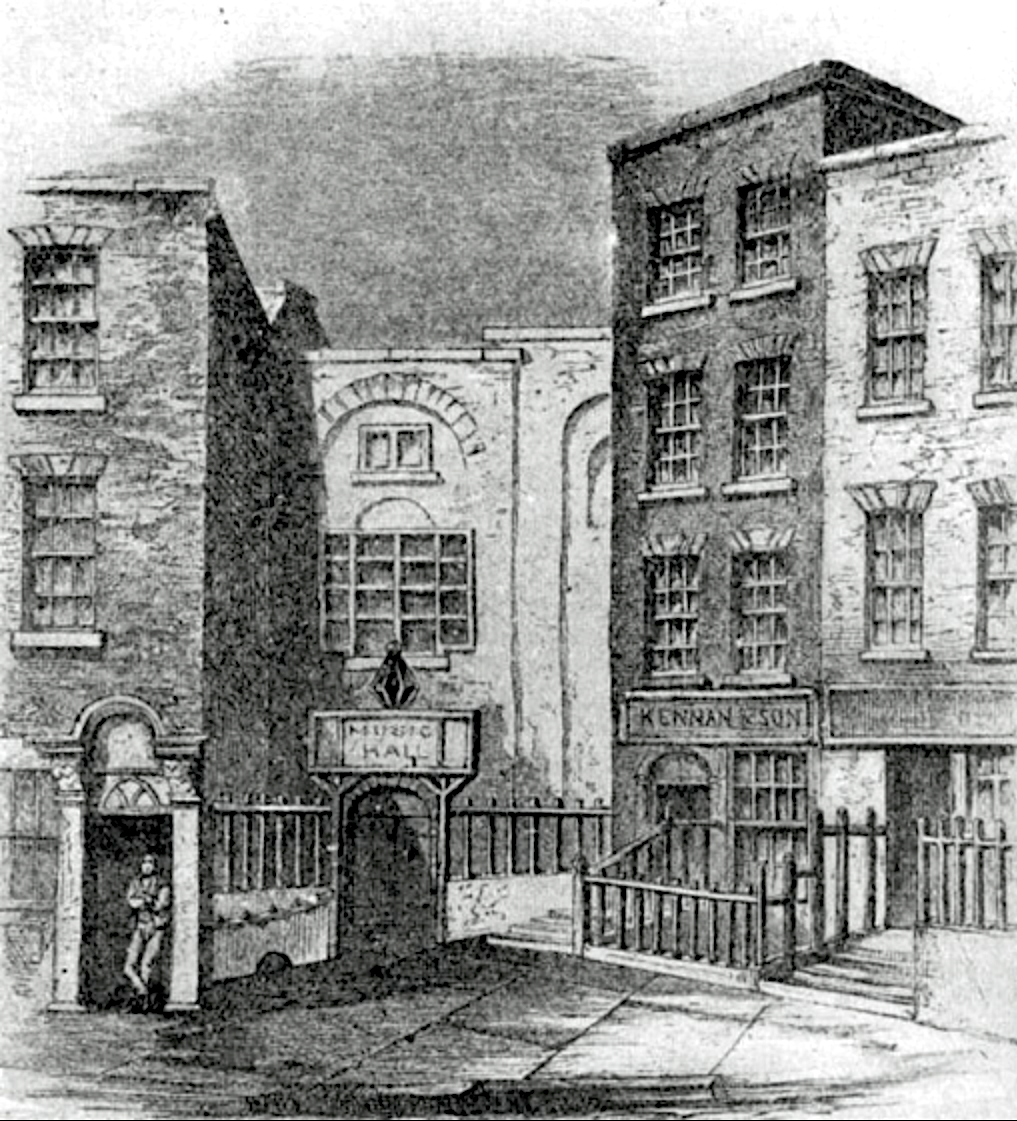
Fishamble Street Music Hall
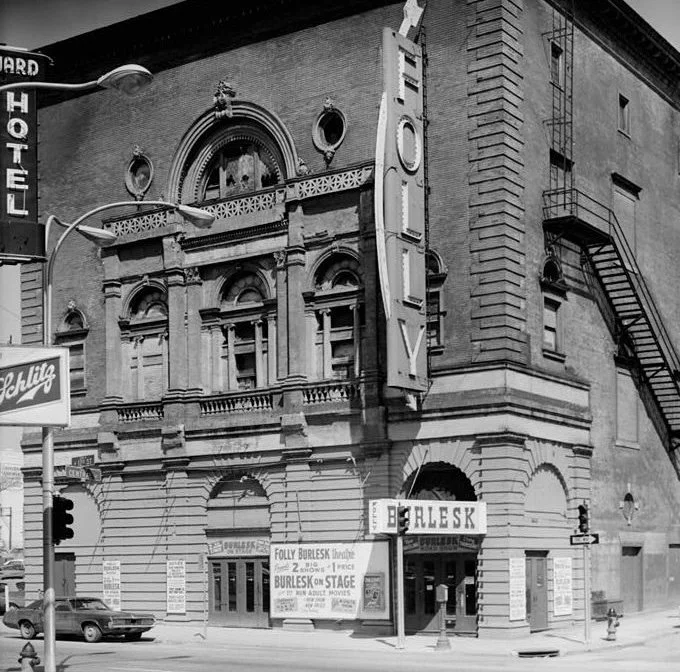
Folly Theater in 1973
Although Spire can always be counted on for creative venues and production values, for Spalding and company, the music is paramount. Ever since he started the ensemble 16 years ago, Spalding has been committed to authentic period practice and the use of period instrument to present music as faithfully to the composer’s intention as possible. However, as usual he is slightly editing Messiah.
“We will do some cuts in part two,” he said. “It's painful for me to cut, but there are some things that are just slightly redundant. And that's one of the ways that we can keep the evening down a little bit and still keep the storyline connected. It’s a vast majority of of Messiah, which is always great because it's a through-composed, it's a narrative that if you chop up too much, it's hard to get the complete picture.”
The text for Messiah was written by Charles Jennens, an English aristocrat, scholar, patron of the arts and Handel’s friend. He compiled it in 1741 by weaving together passages from the King James Bible and the Book of Common Prayer, then sent it to Handel, who set it to music within just a few weeks. Jennens, a wealthy landowner and devout Anglican wanted to affirm Christian doctrine against rising secularism and Deism in 18th‑century England. He arranged the text into three parts: the prophecy and birth of Christ, his passion and resurrection, and the promise of eternal life. His goal was to present a meditative sequence of scripture that revealed Christ’s role as Messiah.
The candles illuminating the Folly will accentuate this profound meditation. For example, the opening Sinfonia really does feel like the lighting of a single taper in a darkened hall—slow, dignified, almost ceremonial. Then the fugue enters like additional flames catching one by one, weaving order and brightness into the space.
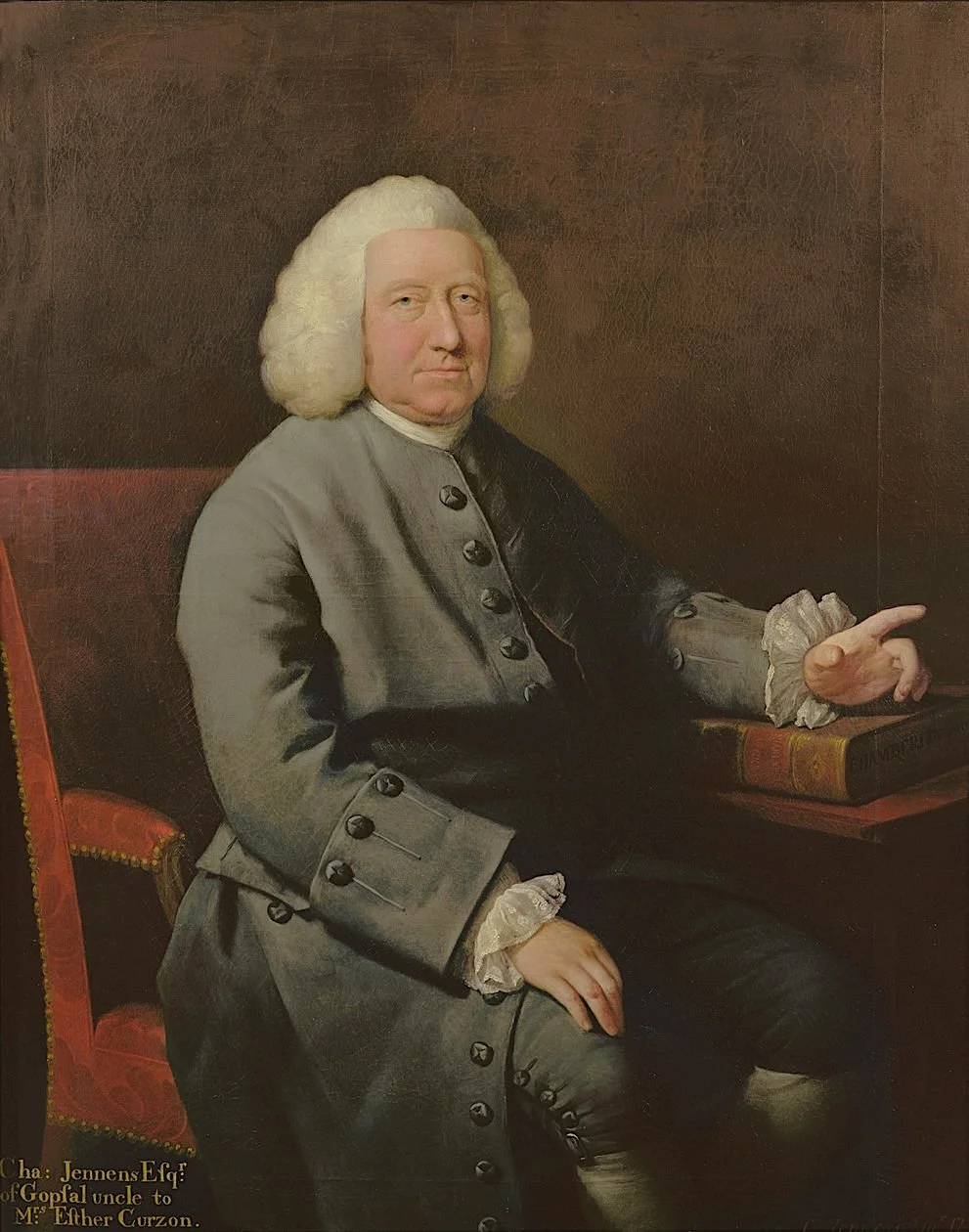
Charles Jennens
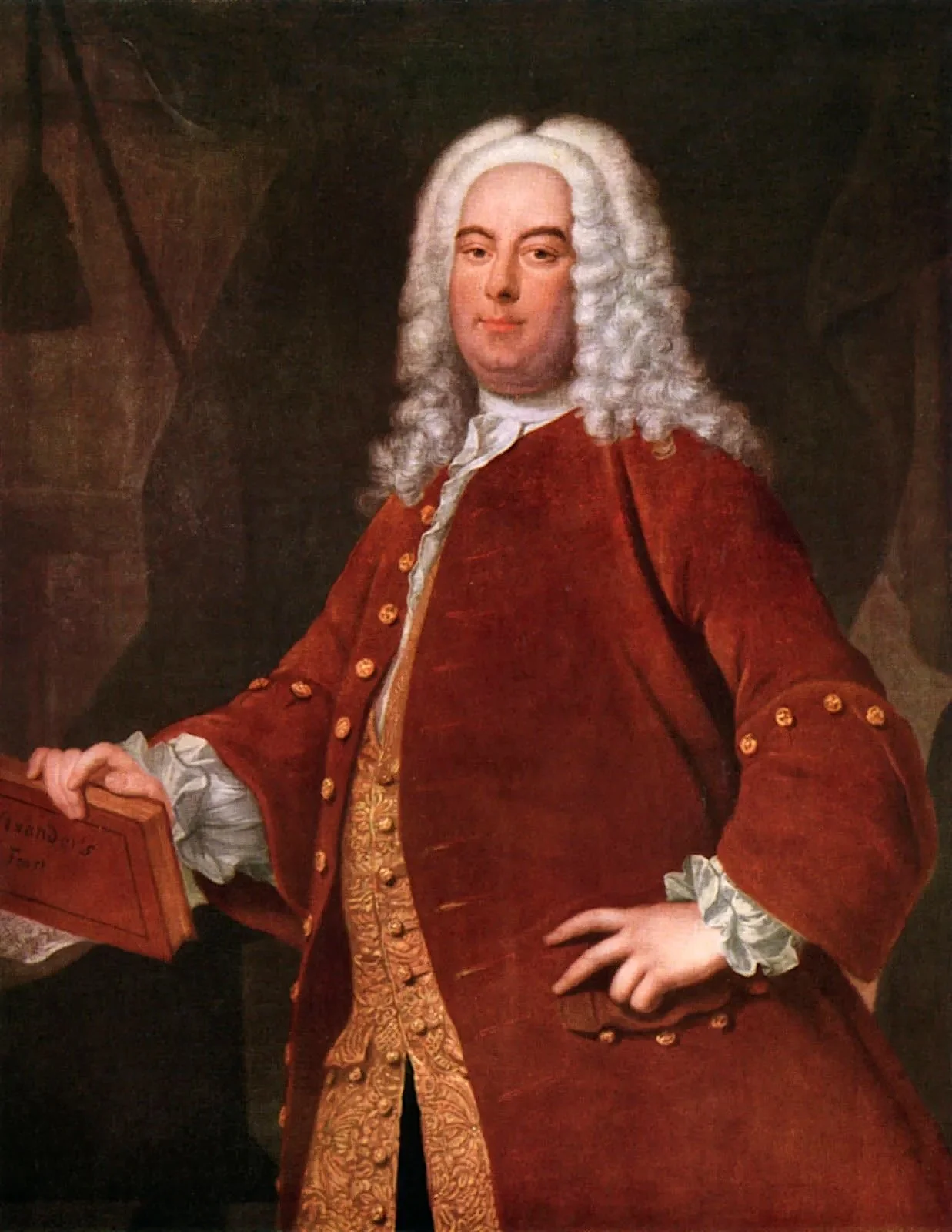
George Frideric Handel
Every year, Spalding seems to find some new way to add his personal touch to Messiah. In one of his recent performances, he added a Celtic drum, called a bodhrán. But, of course, all the instruments the musicians play are special.
“This will be our 15th time of doing Messiah with these wonderful period instruments for our beloved Kansas City audiences,” Spalding said. “You would need to travel to the East Coast, the West Coast, or probably some place in Europe, like Berlin or Amsterdam or London to hear these instruments because they are rare. Our concertmaster plays on a potentially priceless instrument from the early 1600s. We're just thrilled every year to bring this beloved, cherished work with the instruments Handel would have heard himself.”
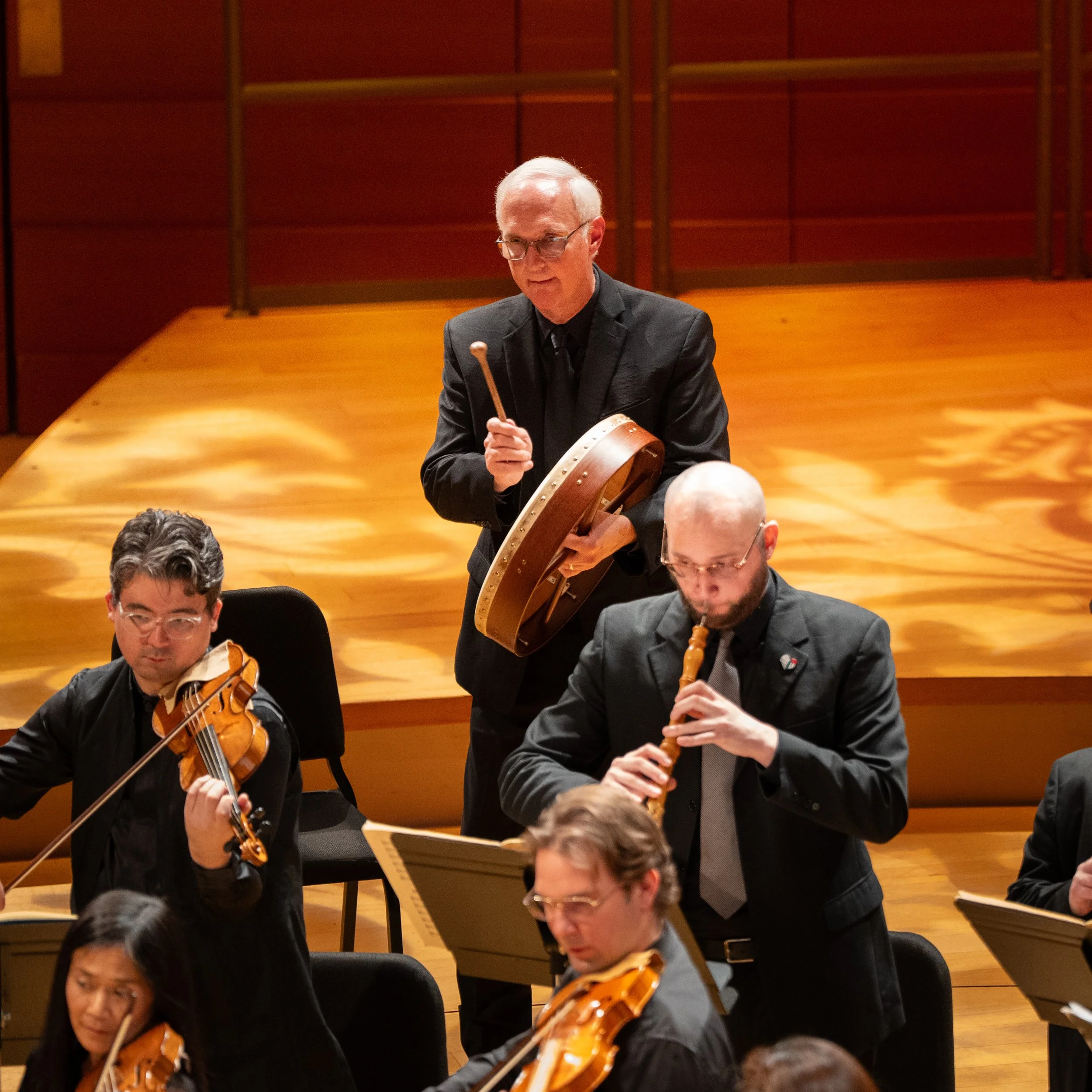
Mark Lowry playing the bodhrán, or Celtic drum.
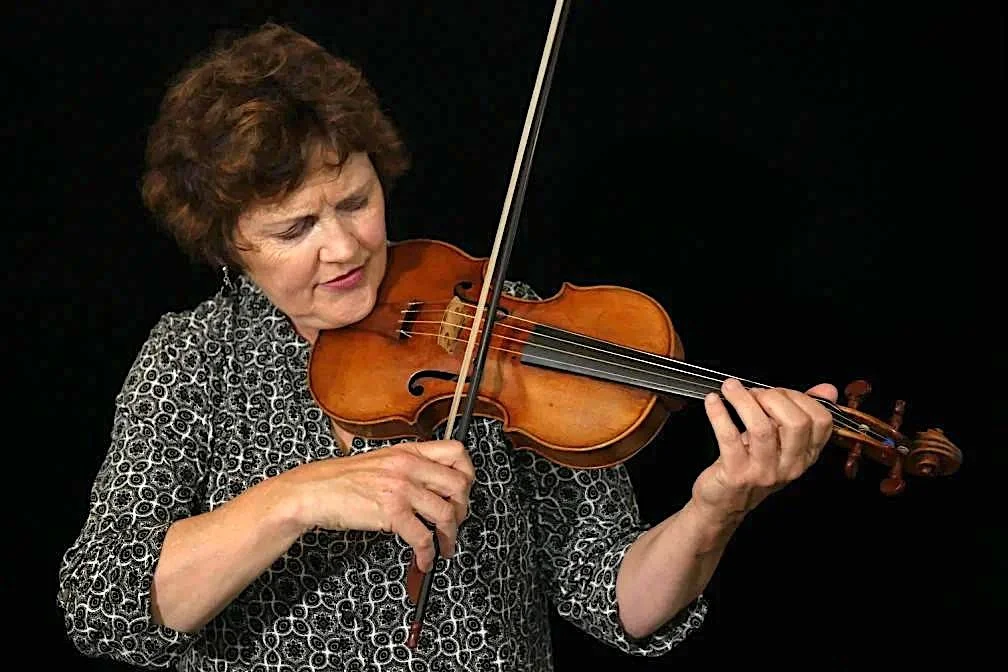
Elizabeth Blumenstock playing a 1660 Andrea Guarneri violin built in Cremona, Italy, on generous loan to her from the Philharmonia Baroque Period Instrument Trust.
Spalding says the original performances of Handel’s oratorios were a spectacle, even before the concert began. He hopes to recreate that spectacle for the audience at the Folly.
“You would come to these secular theaters, and there might be magicians, there might be jugglers, there might be acrobats, or orators might be displaying the great art of rhetoric,” Spalding said. “It was a celebration, a holistic kind of event. We're trying to recreate those early Dublin performances, so as we welcome people to the Folly, even before you enter the theater, we'll take you back to 1742.”
Messiah, of course, also features spectacular arias for soloists. For his Messiah, Spalding always draws on singers from his choir for the solo parts.
“It's visually really interesting to hear 17 different soloists,” Spalding said. “They each bring their own interpretation and their own what we call ornaments or ad lib. The art of making it up is a tradition that's part of Baroque music. Hearing various interpretations of these texts by my esteemed colleagues is just a pure delight. We never know what ornament or flourish they might do.”
After 15 years, Spalding says he still derives immense joy from Messiah. And, most importantly, he still loves sharing that joy with audiences.
“Sometimes it's a little hard to keep my composure because I'm just overcome with emotion or delight or enthusiasm,” he said. “And I have to remember, oh, I have a job to do. Yeah, it's really fun.”
Handel’s Messiah by Candlelight
Presented by the Spire Chamber Ensemble
7 p.m. Dec. 23 at the Folly Theater, 300 W. 12th St.
$41 - $81. www.spirechamberensemble.org
To make a donation to Children’s Mercy Hospital,
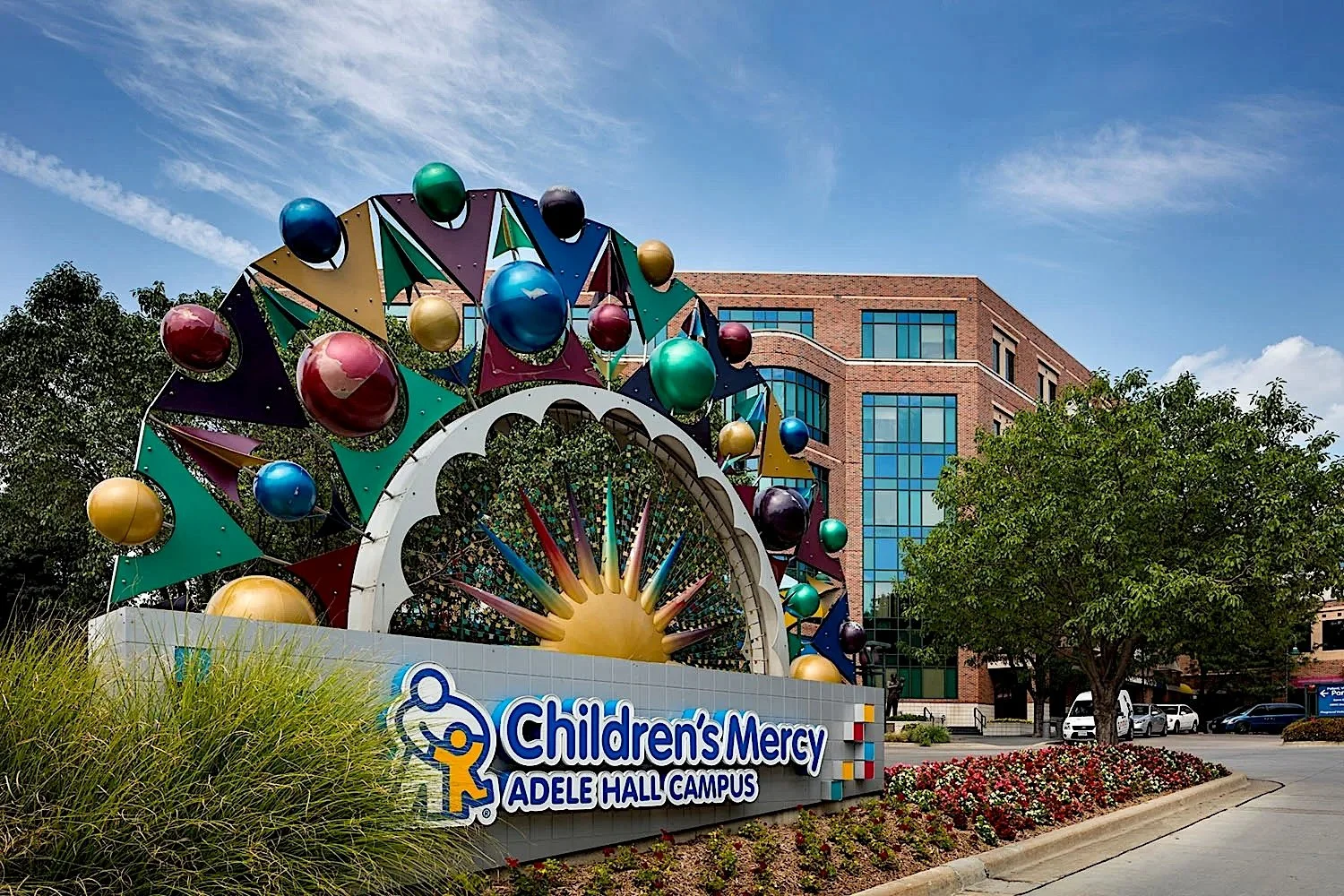
Children’s Mercy Hospital (Brack and Associates consulting engineers)