
MAKING OUR HOME BETTER WITH SONG
Spire Presents The American Songbook: A 250th Celebration
By Patrick Neas, KC Arts Beat
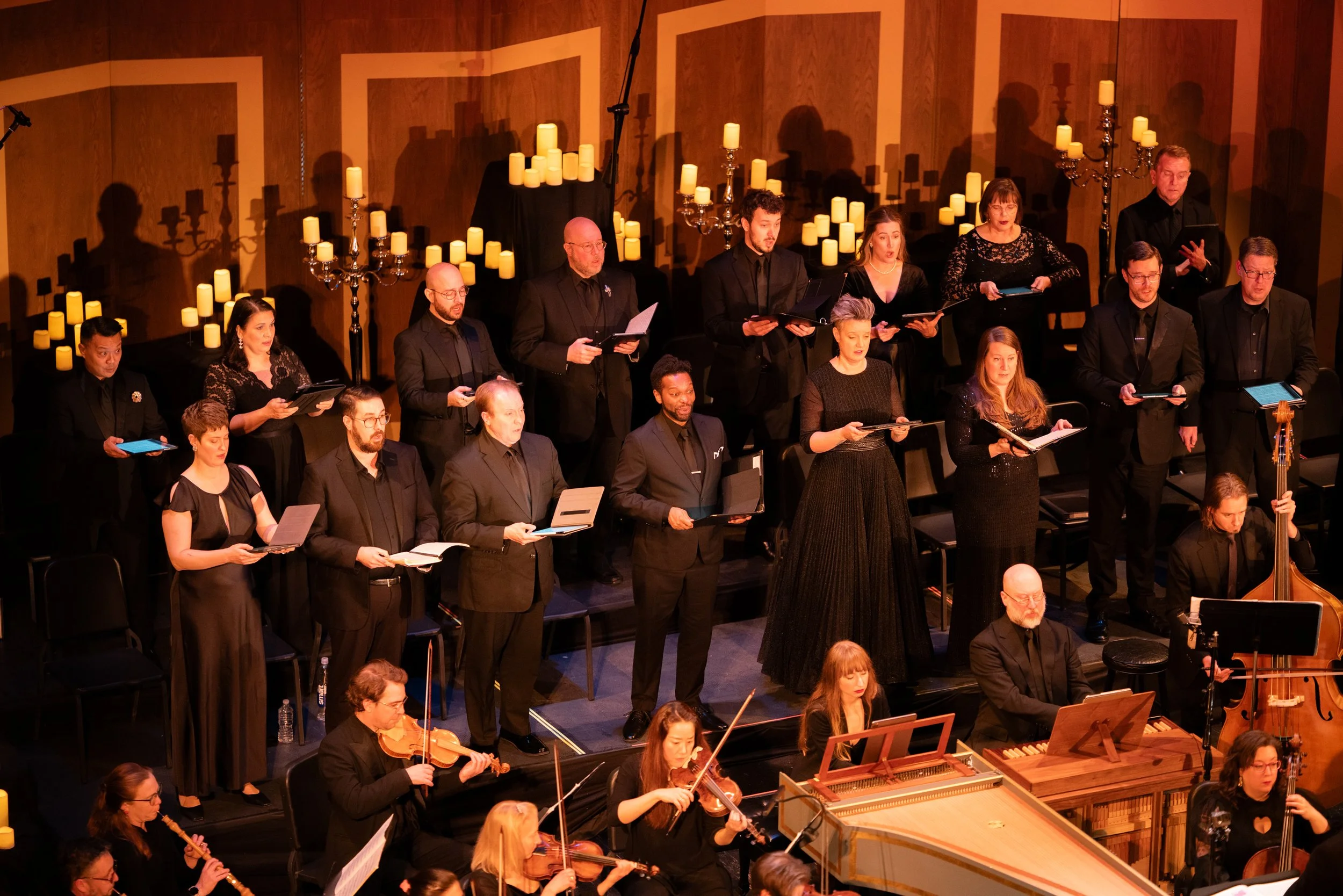
Spire Chamber Ensemble
This preview is sponsored by the Spire Chamber Ensemble
I hear America singing … the poet Walt Whitman wrote.
The delicious singing of the mother, or of the young wife at work, or of the girl sewing or washing,
Each singing what belongs to him or her and to none else,
The day what belongs to the day—at night the party of young fellows, robust, friendly,
Singing with open mouths their strong melodious songs.
America is preparing to celebrate a big birthday, and Spire Chamber Ensemble has chosen to mark the occasion with songs which reflect the very soul of the nation.
Spire presents American Songbook: A 250th Celebration at 7:30 PM April 25 at Saint Paul’s Episcopal Church and 3 PM April 26 at Atonement Lutheran Church.
“I really wanted to celebrate the vast and rich diversity of American composers,” Ben Spalding, Spire’s Music Director, said. “This is what my family would call a smorgasbord of great music… going back to the very beginning and to pieces that were written just about a month or two ago.”
American Songbook is not a tidy retrospective. It is one of those sprawling, carefully thought out Spalding constructions in which early American psalmody, Bernstein’s theatricality, Copland’s open‑sky harmonies, Barber’s emotional precision, and the modernity of Caroline Shaw all make up an interconnected, breathing organism. It is an America that is contradictory, gorgeous, unruly and full of longing for home.
Early Roots: Billings and the Social Harp
The earliest composer on the program is the Colonial-era Bostonian William Billings. “He was self‑taught, which I think is really fascinating,” Spalding said. “His music makes me think of Appalachia, it makes me think of New England. His music just sounds like early American life.”
David’s Lamentation is one of Billings’s most enduring and emotionally charged works. Published in 1778 in The Singing Master’s Assistant, it is a fuging choral anthem on the text of II Samuel 18:33, where King David mourns the death of his son Absalom. It is one of the earliest American choral pieces to achieve widespread circulation, appearing in early tunebooks and later in The Sacred Harp.
Copland, two centuries later, turned to revivalist and shape‑note sources for Old American Songs. Zion’s Walls comes from John G. McCurry’s The Social Harp (1855), a tunebook directly descended from the same singing‑school culture that Billings helped establish. Copland discovered the tune while researching American folk materials and was drawn to its directness, communal energy, and sturdy melodic profile. It resonates beautifully with Spalding’s theme of home‑building, renewal, and the ongoing work of shaping a nation “of, by, and for all people.”
“I really wanted to design a program that had connective tissue throughout… there’s a great connectedness to this whole program,” Spalding said.
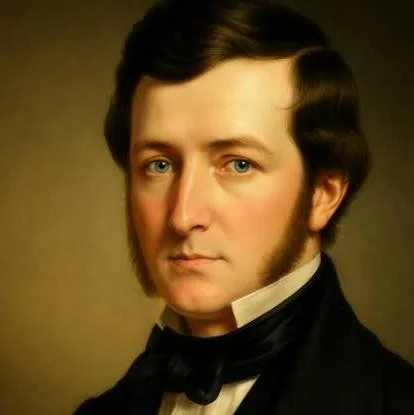
William Billings
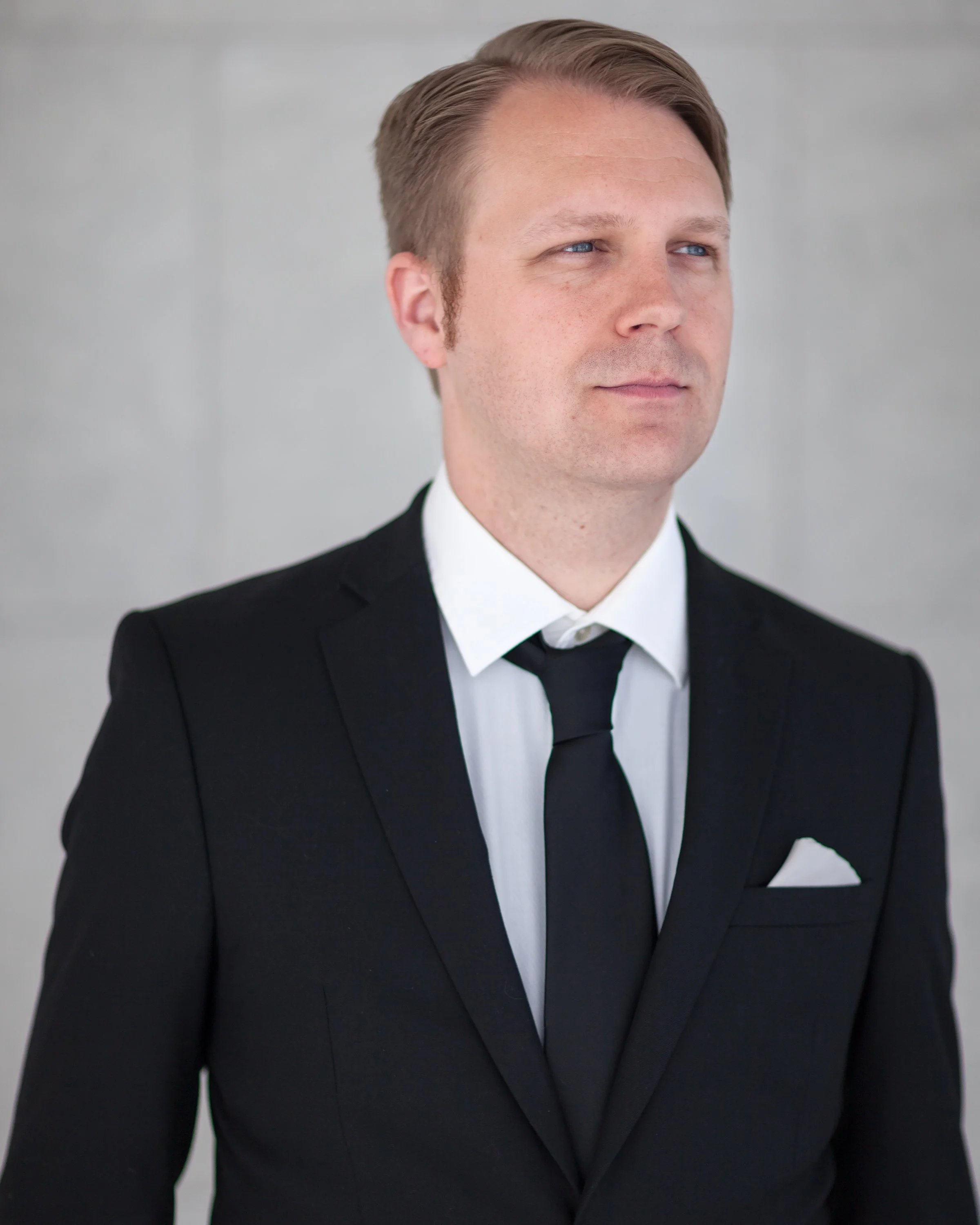
Ben Spalding
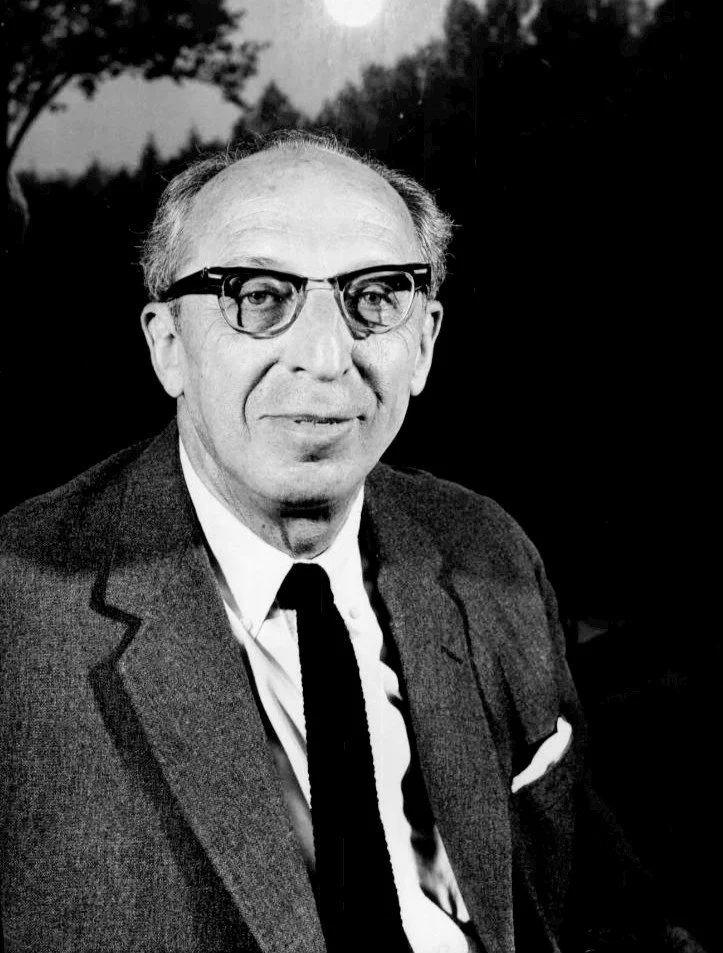
Aaron Copland
Barber’s Humanity, Bernstein’s Spark, Thomson’s Homecoming
Samuel Barber, often reduced in the public imagination to his well-known Adagio for Strings, receives a fuller portrait here. “Reincarnations is one of those cycles that just stays with you,” Spalding said. “The way he paints the text — it’s like he’s carving it out of stone. He takes you from this place of mystery to this place of grief to this place of almost ecstatic release. Barber demands so much of the singers, but he gives so much back.”
Leonard Bernstein’s Gloria was written for Jean Anouilh’s play about Joan of Arc. The music is brief—about a minute and a half—but unmistakably Bernstein: bright, urgent, rhythmically charged and infused with theatrical electricity.
Kansas City native Virgil Thomson’s arrangement of My Shepherd Will Supply My Need is an emotional homecoming. Thompson‘s music is “Vocal gold,” Spalding said. “The very last line says, ‘no longer a stranger or a guest, but like a child at home.’ And so this whole program is about America finding its home.” Built on a traditional Southern hymn tune, Thomson preserves its folk‑hymn character while elevating it through refined harmonies and luminous choral textures.
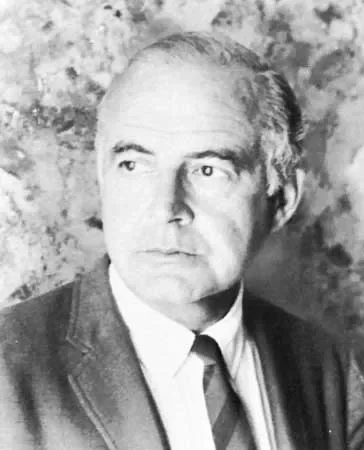
Samuel Barber
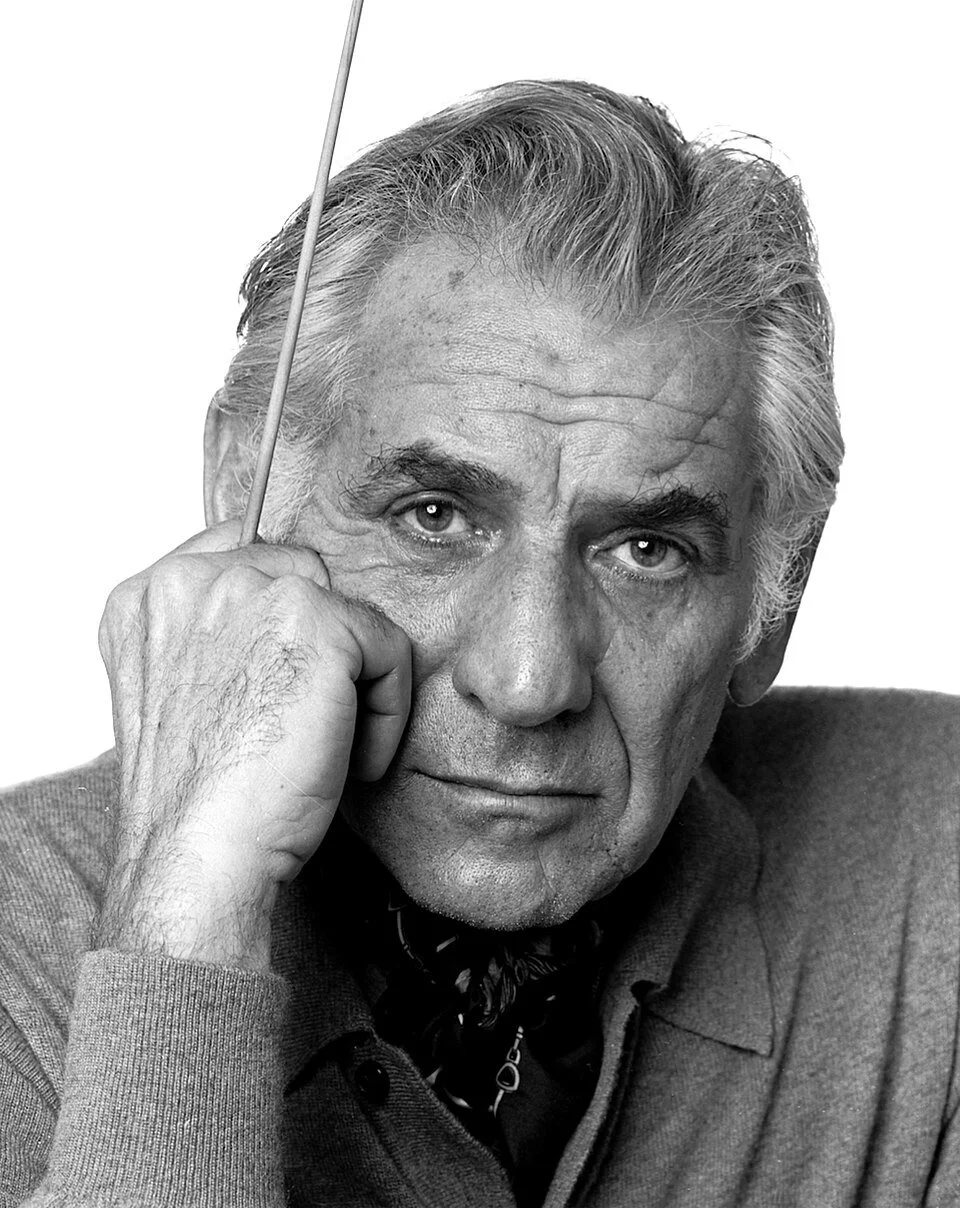
Leonard Bernstein
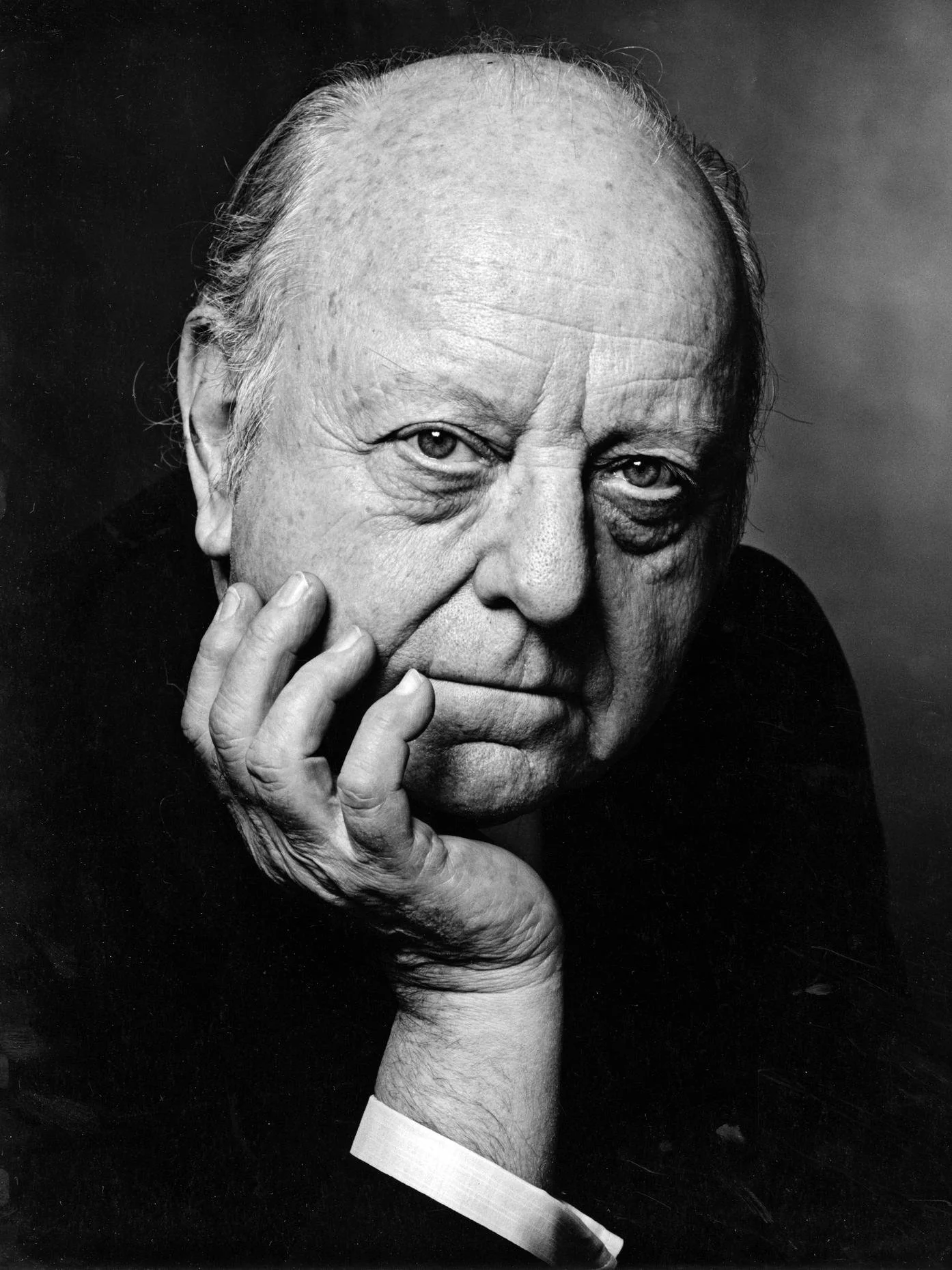
Virgil Thomson
Contemporary Voices: Hailstork, Shaw and Lauridsen
Adolphus Hailstork stands out as a composer whose biography mirrors the complexity of American identity. Born in 1941 in Rochester and raised in Albany, he studied violin, piano, organ, and voice before embarking on a formidable academic path: Howard University, the Manhattan School of Music, and finally a PhD from Michigan State University. His teachers included the legendary Nadia Boulanger.
Hailstork’s ancestry—African American, Native American, and European—threads directly into his music, which blends African, American, and European traditions with unforced fluency. His catalogue exceeds 250 works, spanning symphonies, operas, choral works, and chamber music, many performed by major orchestras such as the Philadelphia Orchestra and the New York Philharmonic. He is a Cultural Laureate of Virginia and a Fulbright Fellow.
Go Down, Moses, channels the composer’s heritage into a vivid choral drama. “It’s highly imitative, highly intricate and is just a rousing setting,” Spalding said.
Born in 1982 in North Carolina, Caroline Shaw began studying violin at age two with the Suzuki method. She later earned degrees from Rice and Yale, entered Princeton’s PhD program, and became the youngest-ever winner of the Pulitzer Prize for Music at age 30 for Partita for 8 Voices.
Rooted in early music and shaped by contemporary minimalism, Shaw’s and the sparrow is taken from Psalm 84. It was composed in 2017 at the time of the Syrian refugee crisis. In the Psalm’s line “The sparrow found a house and the swallow her nest, where she may place her young,” Shaw found a metaphor for families seeking protection in a world of instability. Performances often highlight the way Shaw evokes autumn rains near the end, a sonic image she uses to suggest both vulnerability and renewal.
Morten Lauridsen was born in 1943 in Colfax, Washington and raised in Portland. He spent his early years working as a Forest Service firefighter and lookout on a remote tower near Mount St. Helens, a solitude that shaped his lifelong devotion to silence and inner listening.
His accolades include being named an American Choral Master by the NEA in 2006, awarded the National Medal of Arts in 2007, and recognized as one of the most frequently performed American choral composers in the world.
Spalding has a personal connection to the composer. “I had the great pleasure of taking several compositional master classes and compositional lessons with Morten Lauridsen himself,” he said. “I feel a great connection to him even though it’s been many, many years.”
Spalding remembered performing Mid‑Winter Songs with Lauridsen in graduate school: “I got to do these pieces with him. It was just a wonderful memory of the wisdom that he shared.”
Lauridsen’s devotion to poetry left a deep impression. “He is somebody that just loves poetry,” Spalding said. “He taught at USC for many years and he started every single beginning theory class reading poetry to us every day and analyzing poetry.”
Mid‑Winter Songs, the cycle featured on this program, is one of Lauridsen’s earliest major works (1980) and remains among his most evocative. Spalding described it as a score that continually reveals itself: “Every time I open my score I find something new, some nuance, some nugget that Lauridsen has found, some insight in the text. I love them so much.”
The piano part—famously difficult—will be performed by Ellen Sommer of the University of Kansas. “It’s a very, very wicked hard piano piece,” Spalding said, “and she’s going to be just brilliant in it.”

Adolphus Hailstork
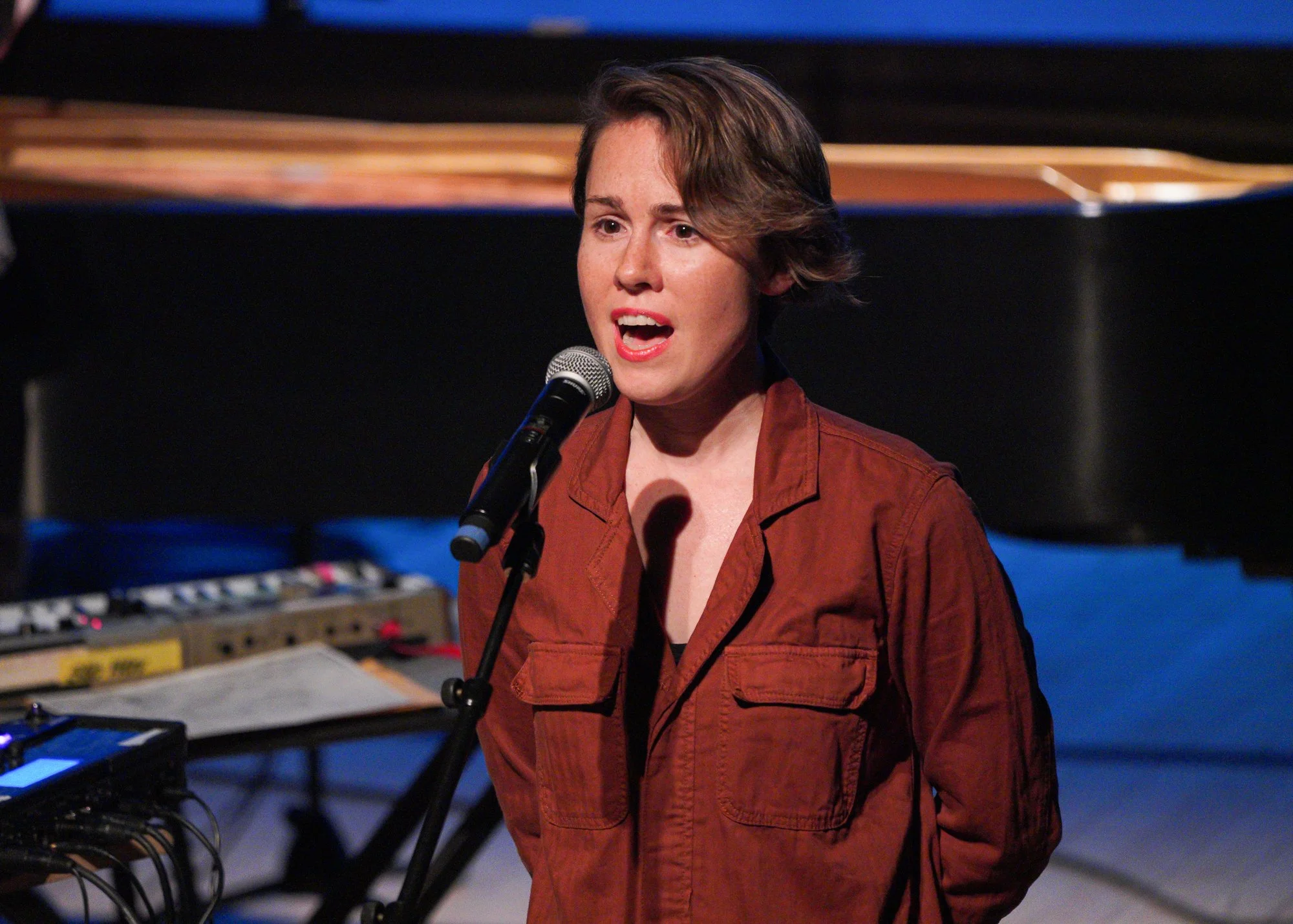
Caroline Shaw

Morten Lauridsen
Pop, Jazz, and the American Mosaic
The concert will also feature the Allegro Children’s Choir. “They’ll be joining us on Sunday,” Spalding said. “They are just fascinating. They’re going to bring such a beautiful color to the program, and they’re going to sing something on their own. We are so looking forward to collaborating with them.” He said their appearance will be “a really special moment in the concert.”
Besides “high art,” the program also includes American popular idioms like jazz, gospel and spirituals. “I forgot to mention there’s some delightful pop pieces,” Spalding said. “We have this wonderful arrangement of the Beatles’ Blackbird by Paris Rutherford, one of the most influential jazz arrangers of living memory.”
For Spalding, these genres are not decorative additions, they are central to the nation’s musical identity.
“I hope people come away from this concert with a deep appreciation for our heritage, for the heritage of jazz and gospel and spirituals, which is our music,” he said. “There’s nobody else in the world that can claim the music that is ours. I hope people come away with feeling that this is our home and that we need to care for it and keep working to make it a better place. Together we can do far more than we can apart.”
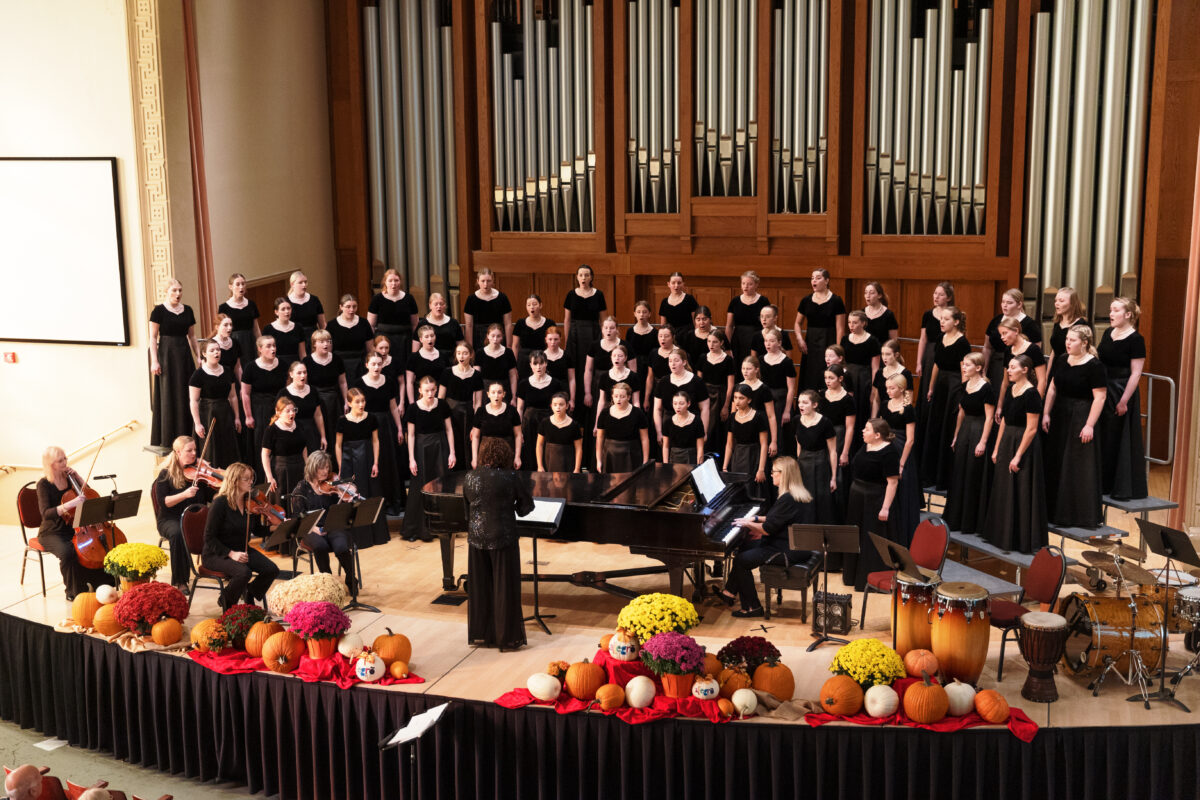
Allegro Children’s Choir
SPIRE PRESENTS THE AMERICAN SONGBOOK
April 25, 7:30 PM — St. Paul’s Episcopal Church, 11 E. 40th St.
April 26, 3 PM — Atonement Lutheran Church, 9948 Metcalf Ave.
$11.37-$26.90 Tickets: spirechamberensemble.org