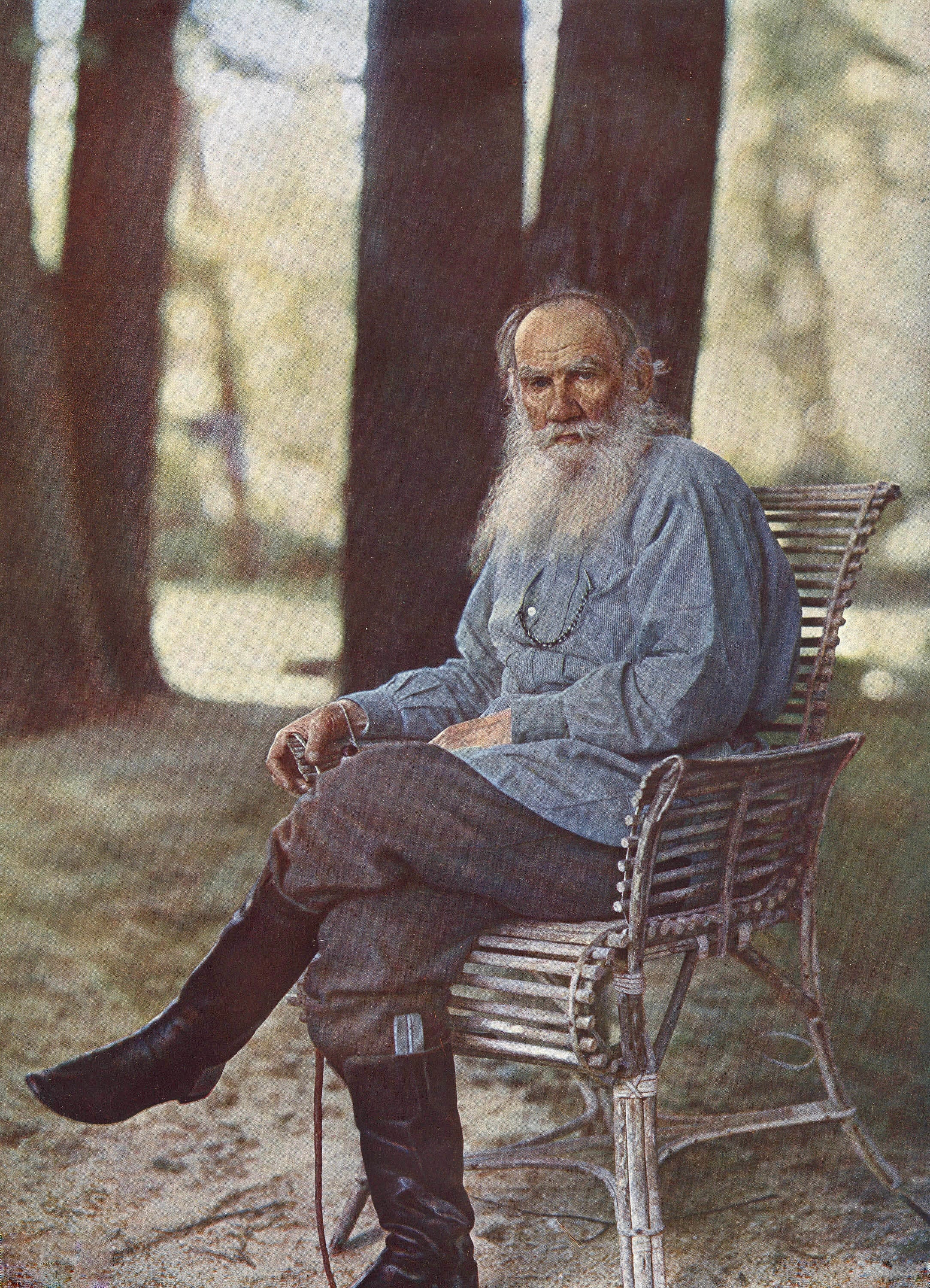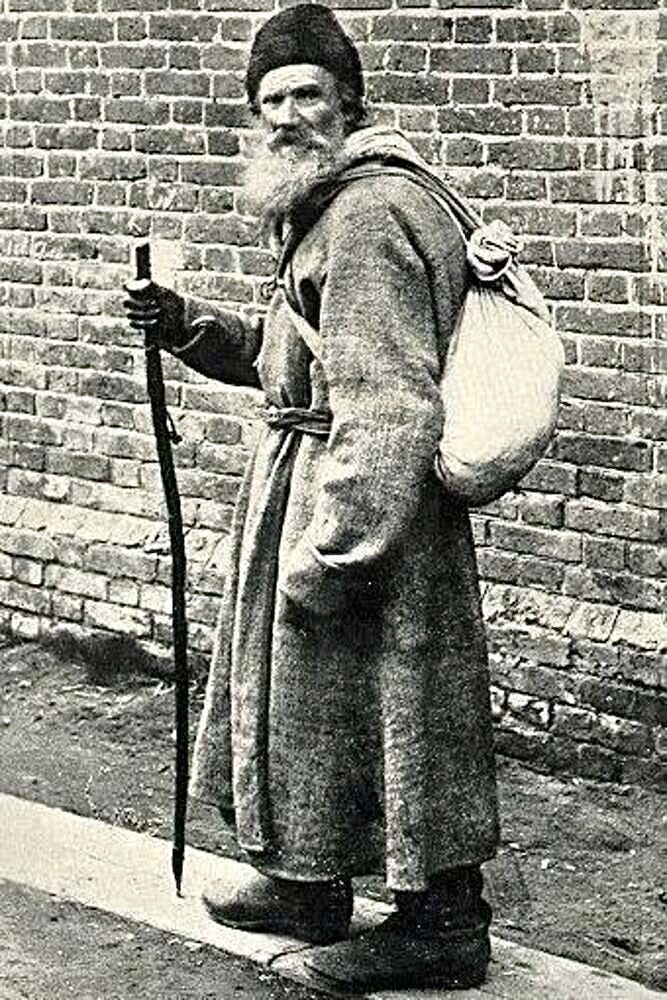
Leo Tolstoy (1828-1910) is widely regarded as one of the greatest and most influential authors in history. He was nominated for the Nobel Prize in Literature annually from 1902 to 1906, and for the Nobel Peace Prize in 1901, 1902, and 1909. Born into an aristocratic family, he produced works that stand as landmarks of realist fiction—War and Peace (1869) and Anna Karenina (1878)—often cited among the finest novels ever written. His first literary success came in his twenties with the semi‑autobiographical trilogy Childhood, Boyhood, and Youth (1852–1856), followed by Sevastopol Sketches (1855), drawn from his experiences in the Crimean War. Tolstoy’s fiction encompasses dozens of short stories, including After the Ball (1911), and several celebrated novellas such as The Death of Ivan Ilyich (1886), Family Happiness (1859), and Hadji Murad (1912). Beyond fiction, he wrote plays and essays that grappled with philosophical, moral, and religious questions, cementing his reputation as both a literary master and a profound thinker.
Everyone thinks of changing the world, but no one thinks of changing himself.
One of the first conditions of happiness is that the link between Man and Nature shall not be broken.
We can know only that we know nothing. And that is the highest degree of human wisdom.
True life is lived when tiny changes occur.
The sole meaning of life is to serve humanity.