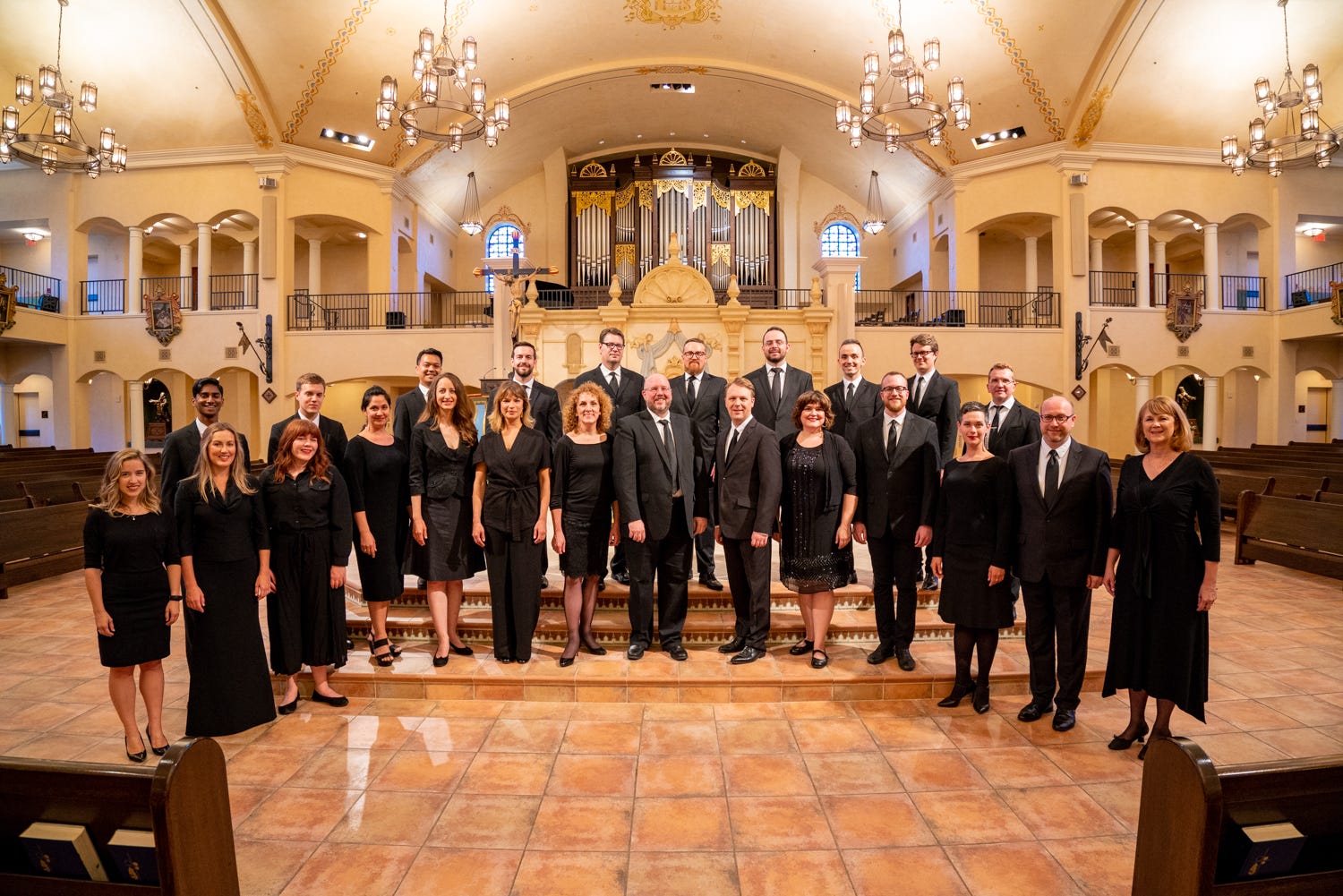
This preview brought to you by Spire Chamber Ensemble.
Kansas City’s Spire Chamber Ensemble enters its seventeenth season with momentum, ambition, and a sense of artistic purpose that feels unusually urgent. The opening concert, Ring in the Thousand Years of Peace, taking place October 10 at Grace and Holy Trinity Cathedral and October 11 at Grace Cathedral in Topeka, is just the sort of program that will delight audiences while calling on all the strengths of Spire’s top-notch singers.
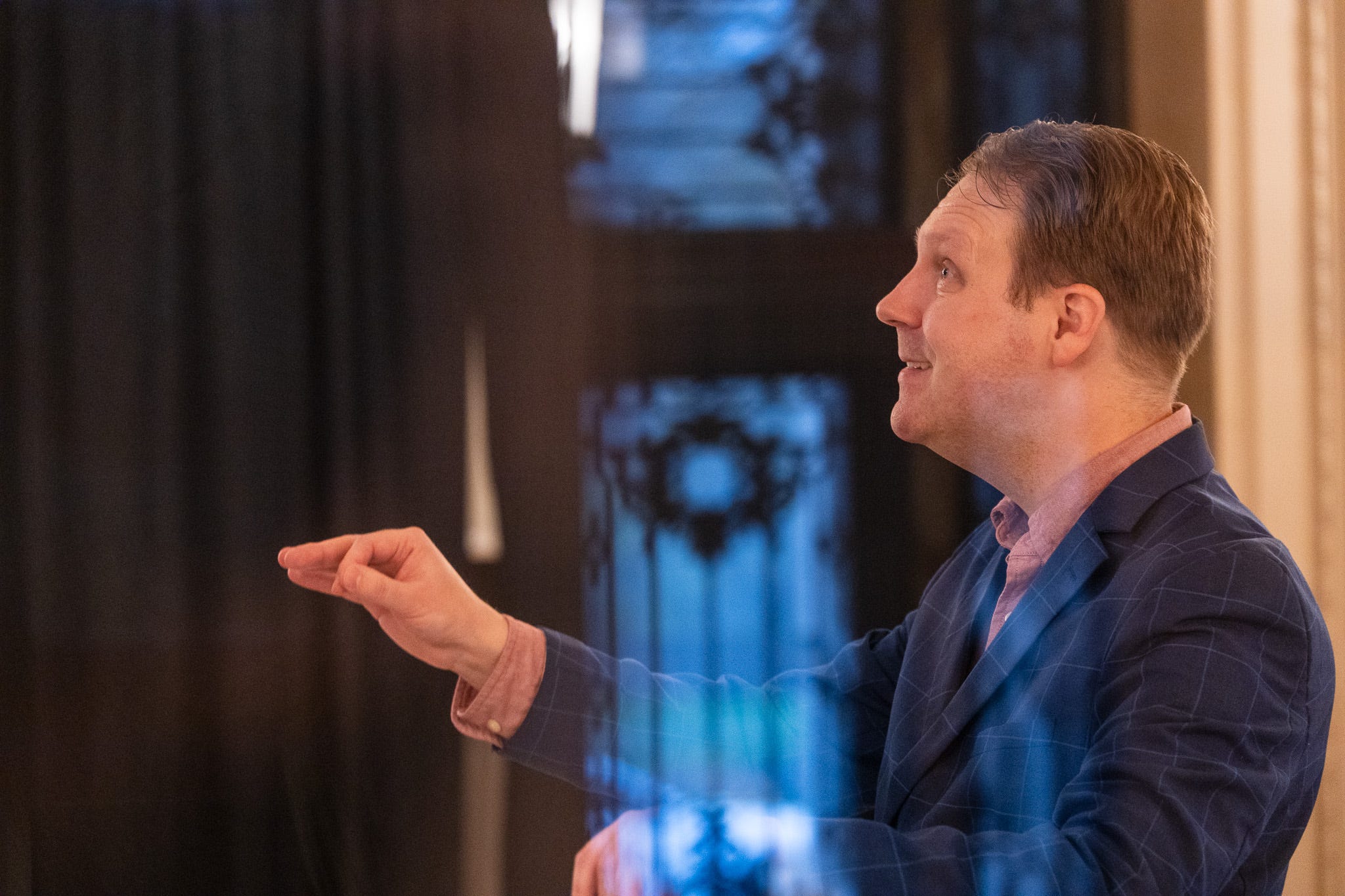
The group’s founder and Artistic Director, Ben Spalding, has long been known for his thoughtful programming and his ability to draw national attention to Kansas City’s choral scene. But this year, Spire begins its season buoyed by a remarkable distinction: a feature in Gramophone, the world’s most prestigious classical‑music magazine.
Spalding still sounds slightly astonished when he talks about it. “Founding this group almost 17 years ago, I never would have thought in my wildest dreams it would grow into something so special to Kansas City and really beyond,” he said. Gramophone’s June issue reviewed Spire’s April concert of American composers and described the ensemble as “one of America’s most distinctive and compelling ensembles.” For Spalding, that line still lands with force. “We were so honored… we’re on a rocket to the moon, and we can’t wait to share all this exciting growth with our audiences.”
Read the Gramophone article about the Spire Chamber Ensemble:

How Spire Chamber Ensemble Built a Unique Choral Voice in Kansas City
A Personal Challenge to Overcome
While Spalding and his ensemble are enjoying an upward trajectory, he has been facing an ongoing health situation that challenges his career. Fortunately, he has received a proper diagnosis and a promising course of treatment.
“I’ve had a major right scapula (shoulder blade) issue since January 2023, and it’s been by far the most significant health challenge of my life,” he said. “As a professional conductor, you can imagine how devastating that’s been on so many levels. I saw seven doctors and tried everything under the sun, but nothing fully solved it. This past spring I finally got a definitive diagnosis: a rare disorder called Snapping Scapula Syndrome, and I have the truest version.”
Spalding had surgery on September 10, just a month before the season’s opening concert. He says that recovery has been slow, but his surgeon has cleared him to carefully conduct Ring in the Thousand Years of Peace.
“He gave me a solid B to a B+ for overall improvement,” Spalding said. “I’ll have physical therapy three times a week for at least two more months. We’re cautiously optimistic, but only time will tell. The biggest challenge has been dealing with waves of unpredictable pain, especially during long Spire project weeks.”
A Better Way For Us To Live …
A sense of hope and optimism shapes Spire’s season opener, Ring in the Thousand Years of Peace. The title comes from Alfred, Lord Tennyson’s 1850 poem Ring Out, Wild Bells, traditionally read on New Year’s Eve. Spalding has long loved the poem’s final exhortation—“ring in the thousand years of peace.”
“The poet talks about ringing out things that don’t serve us… but instead ringing in good things of love, kindness, and peace,” Spalding says. “I think it’s a compelling, better way forward for us to live. The whole program is themed around that.”
The concert opens with The Passing of the Year, by Jonathan Dove, a 20‑minute work for double choir and virtuoso piano. Spalding says that Dove’s music is rhythmically vivid and emotionally surprising.
“He writes such evocative and colorful music,” Spalding said. “Once you think you’ve heard it all, he throws in surprises—it’s a little bit of an emotional roller coaster in a good way.”
The piece weaves together poetry about the seasons, time, and human experience. One movement centers on a sunflower reaching toward the sun before withering in winter—a small but potent metaphor for the cycle of life. Pianist Ellen Sommer, a longtime Spire collaborator, takes on Dove’s notoriously demanding keyboard writing. “It is about as hard as it gets,” Spalding says. “He makes no concessions to the pianist at all.”
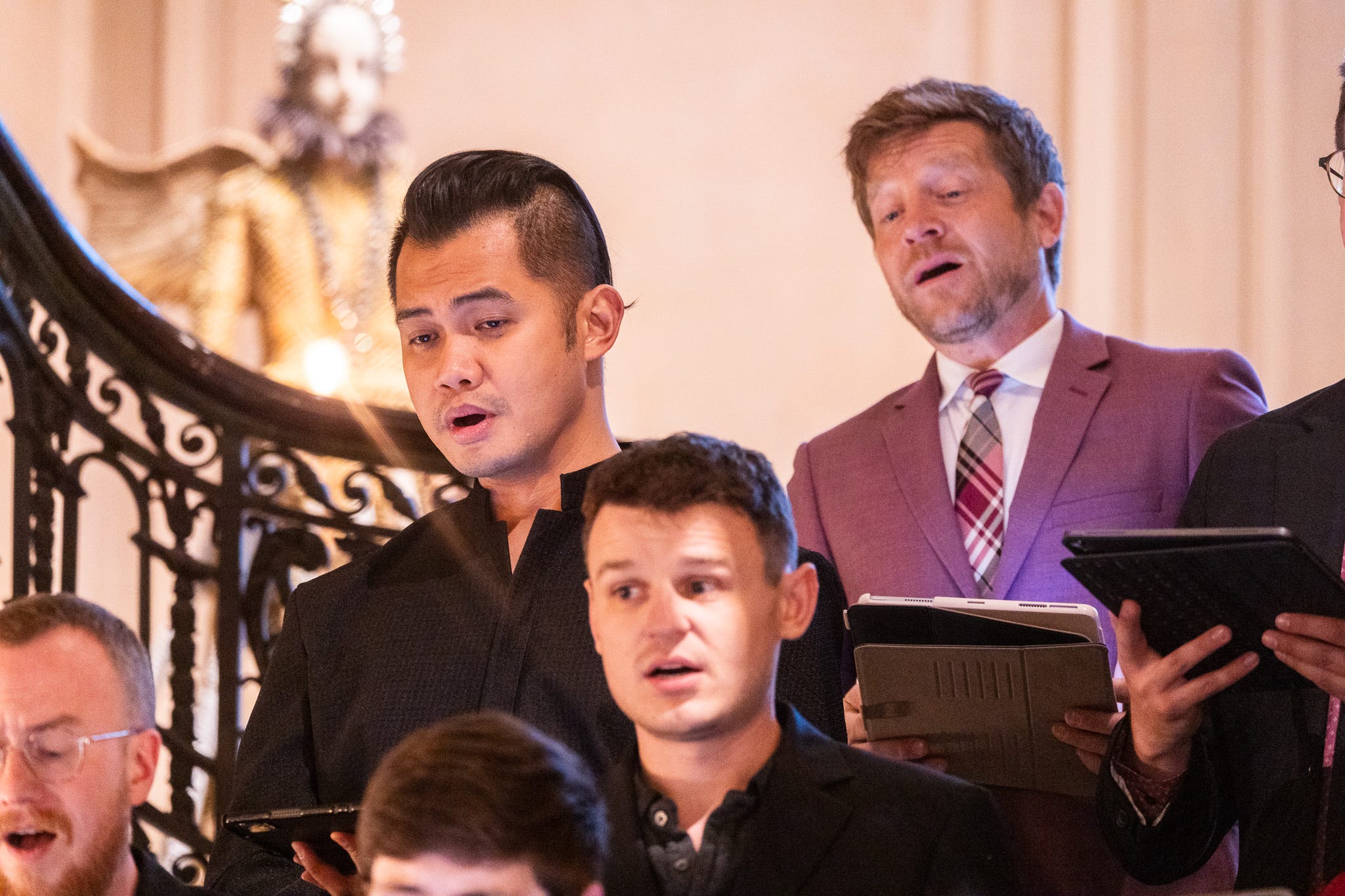
The program then moves to the early 20th‑century Dutch composer Henk Badings, whose Trois Chansons Bretonnes Spalding describes as “fascinating, charming, and full of text painting.” The three French‑language movements explore themes of longing, navigation, lament, and young love.
“You can feel the waves undulate, get stronger and weaker,” Spalding says of the first movement, which depicts sailors guided by stars and moonlight. The final movement, a portrait of two lovers running through late‑summer fields, is especially vivid. “It is so coquettish and lovely… little trills and florals all over the place. It just sounds like young love.”
Brahms at His Most Mature
Spire has performed a great deal of Brahms over the years, but never his Four Quartets, Op. 92. Spalding calls them “absolute gems,” written at the height of Brahms’s maturity.
“It feels like your favorite sweater—you can’t quite get rid of it because it feels so good,” he says. The opening movement, O schöne Nacht, is a nocturnal reverie set to poetry by Goethe and others. Brahms, himself a choral conductor, understood the voice intimately. “He painstakingly went through every word in the poetry to make it as meaningful as possible,” Spalding said.
The program’s contemporary voice comes from Dale Trumbore, whose setting of Barbara Cook’s poetry explores the passage of time with humor and tenderness. Spalding loves the piece’s modern sensibility.
“She calls us to slow down and be fully present,” he says. The text includes small, vivid images—a dog’s tail wagging like a metronome, the simple pleasure of lying in a hammock without a watch. “Time can get the best of us, but she paints a wonderful picture of all the interactions of time we have in our day,” Spalding said. “When we slow down and think and listen, we ring in the better parts of ourselves.”
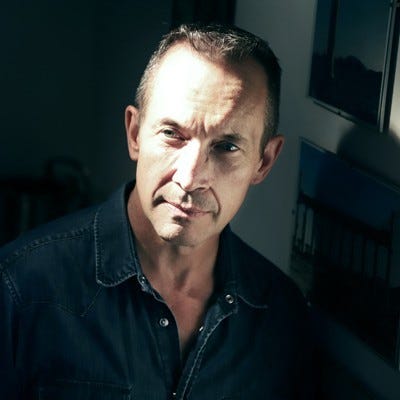

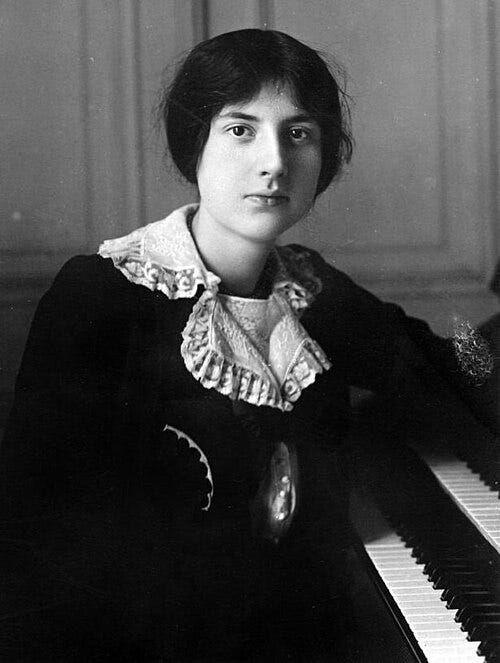
The program also includes a work by French composer Lili Boulanger, who died tragically at 24, but left behind a small but extraordinary body of work. Her Hymne au Soleil is only four minutes long, but Spalding calls it dramatic and piercing.
“There’s a lot in that four minutes,” he says. “It’s wonderful for audiences to hear music they’ve never heard before.”
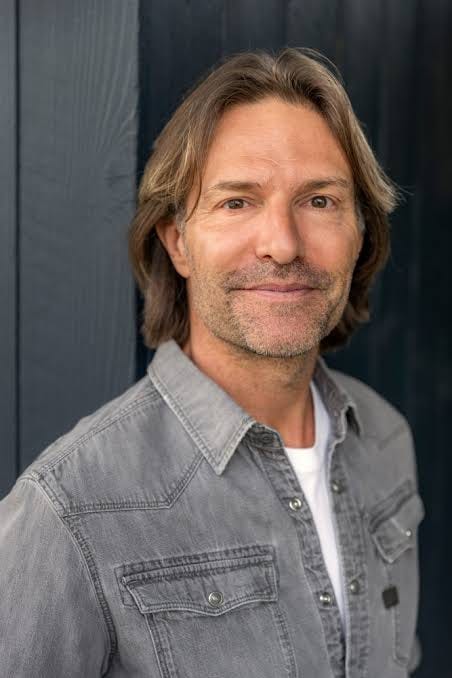
The concert closes with Eric Whitacre’s Little Man in a Hurry, from his cycle The City and the Sea, set to poetry by e.e. cummings. Whitacre’s music is energetic, playful, and slightly chaotic—perfectly capturing cummings’ experimental spirit.
“The piano part is almost frantic,” Spalding says. “The singers even do nonsense syllables—‘little man man man man man’—it’s fun and quirky.” But beneath the humor lies a deeper message: halt, stop, forget, relax.
Spalding recalls his grandmother’s advice: “There’s a reason the universe gave you two ears and only one mouth.” Listening, he says, is central to the concert’s theme. “When we stop and slow down, there are good things to come.”
Ring in the Thousand Years of Peace offers audiences a chance to pause, breathe, and listen, an invitation that feels especially welcome in our stress-filled, maddening times. The program’s themes—time, seasons, celestial rhythms, human stories—reflect Spalding’s belief that choral music is ultimately about connection. Spalding has especially appreciated the importance of connections as he has faced his physical pain.
“So many people, both near and far, have followed my saga and sent warm wishes — it’s meant so much to me,” he said. “I’ve learned to keep persevering as much as I can, and I’m deeply grateful to everyone who’s encouraged me along the way.”
Spire Chamber Ensemble Presents
Ring in the Thousand Years of Peace
7:30 p.m. October 10 at Grace and Holy Trinity Cathedral, 415 W. 13th St., Kansas City, MO.
3:00 p.m. October 11 at Grace Cathedral, 701 SW 8th Ave., Topeka, KS
Tickets and information are available at spirechamberensemble.org.