

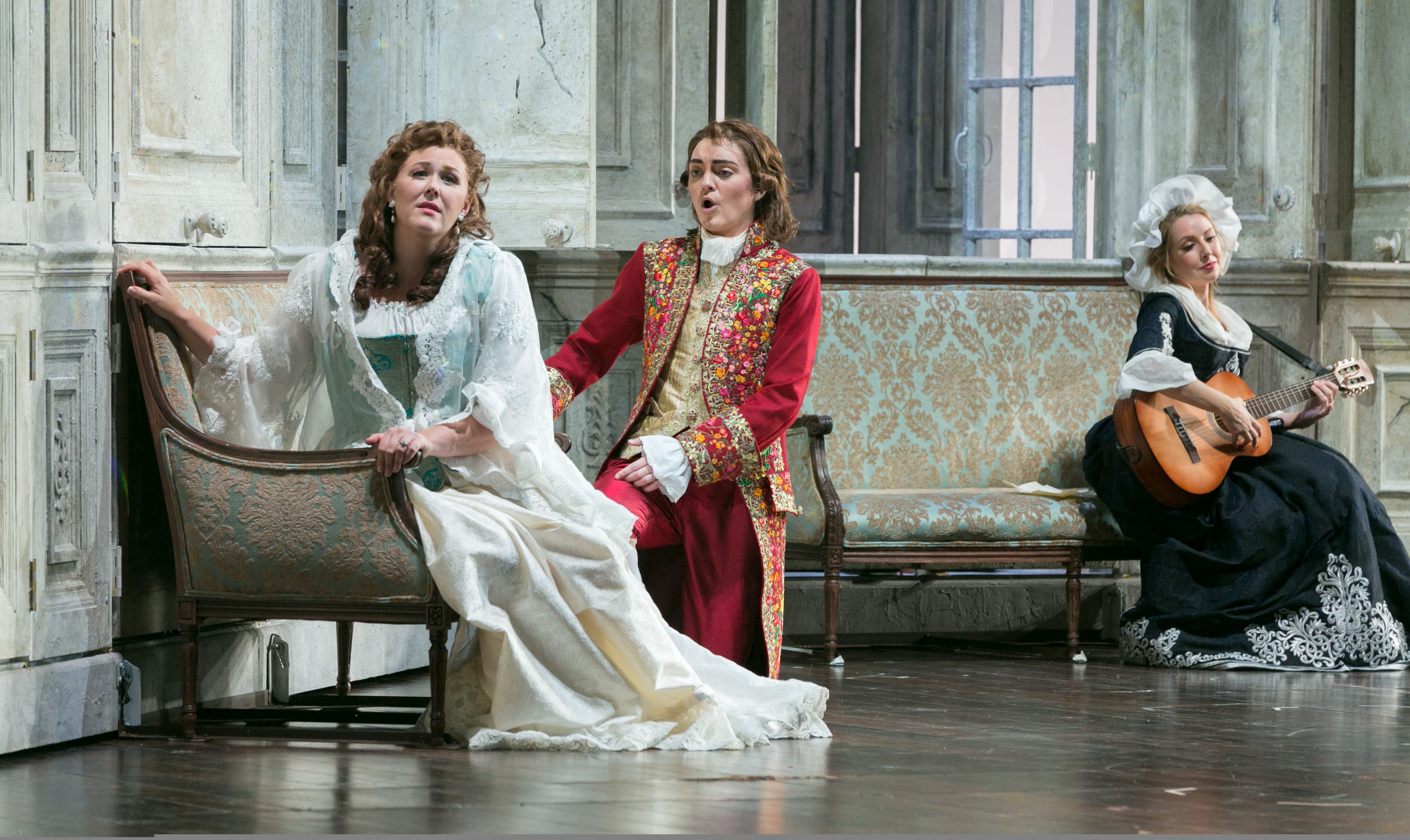
This preview brought to you by the Lyric Opera of Kansas City.
For many listeners, Mozart’s genius is found in the piano concertos, the symphonies or the serenades. But for opera lovers, his greatest achievements lie on the stage, where music and drama become inseparable and his lyrical gift is irresistible.
This November, Lyric Opera of Kansas City presents what many consider Mozart’s crowning accomplishment, The Marriage of Figaro, in a production directed by veteran British stage director Stephen Lawless.
The opera will be performed at the Muriel Kauffman Theatre in the Kauffman Center for the Performing Arts performances only: 7:30 p.m. Nov. 7 and Nov. 13, and at 2 p.m. Nov. 15.
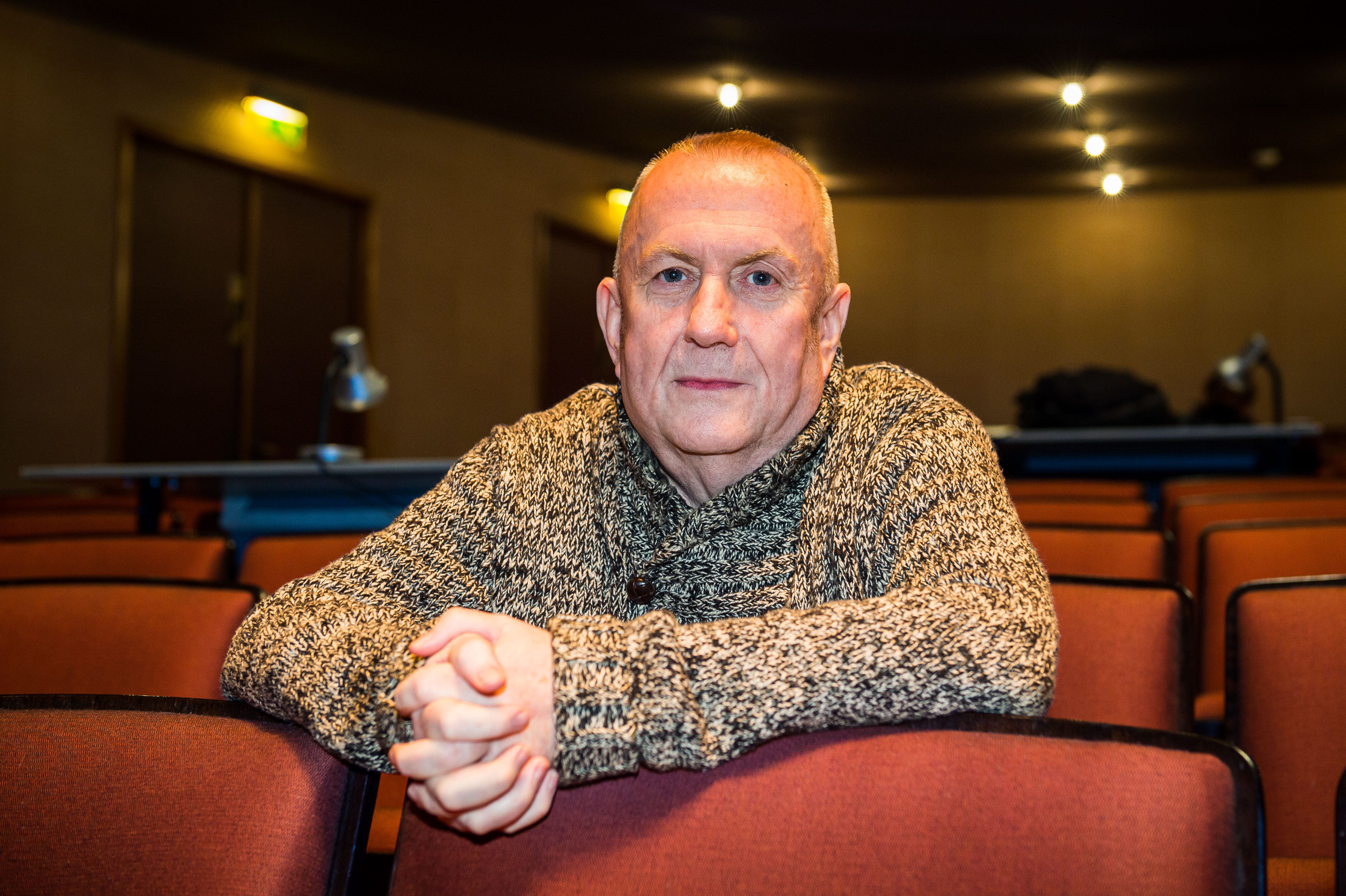
Lawless brings extraordinary experience to the production. His association with Figaro stretches back half a century.
“I started at Glyndebourne as a stage manager in 1976, and the first opera I worked on was Figaro,” Lawless said. Since then, he has directed multiple productions around the world, including stagings in Dallas, Toronto, Hong Kong, Germany and at Glimmerglass Opera.
The opera has become so central to his career that he jokingly calls it “The Marriage of Figaro or ‘The Pension Fund.’”
Yet familiarity has not diminished his fascination with the work.
“The piece never ceases to surprise me or astound me,” Lawless said. “Things in it that I think I know, I suddenly find actually I don’t know what that’s about now, because of something else.”
Mozart and Da Ponte’s remarkable partnership
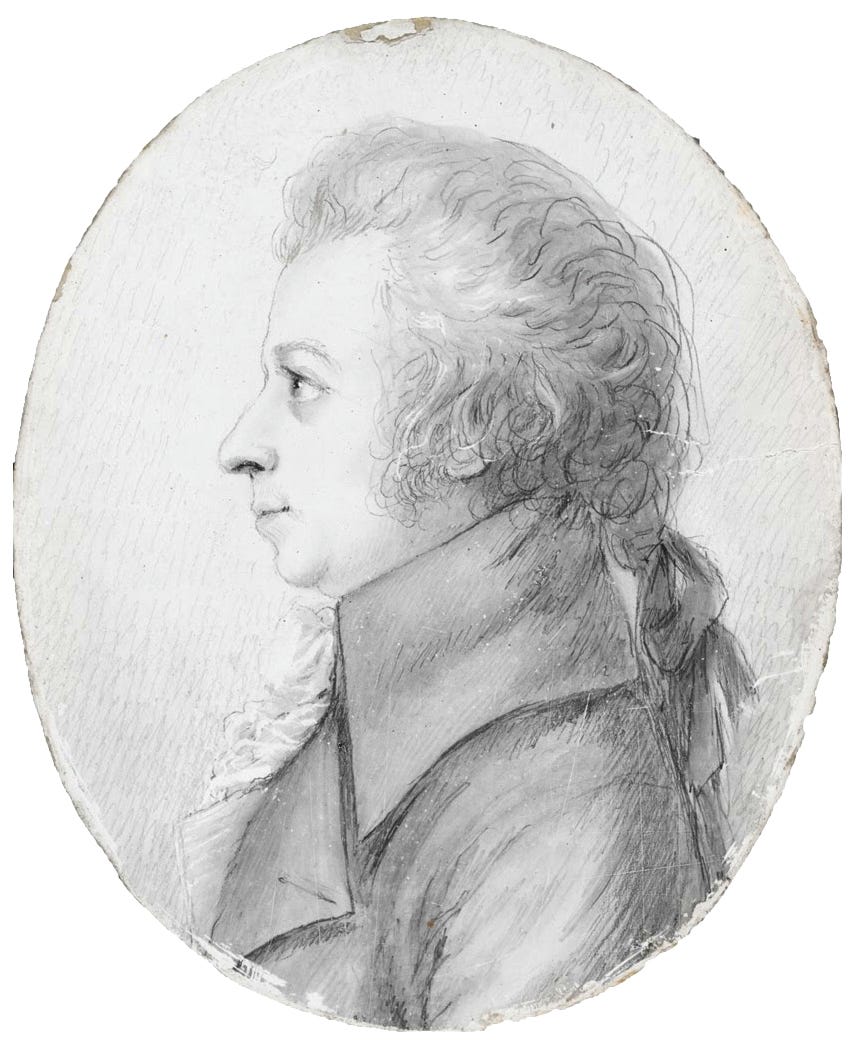
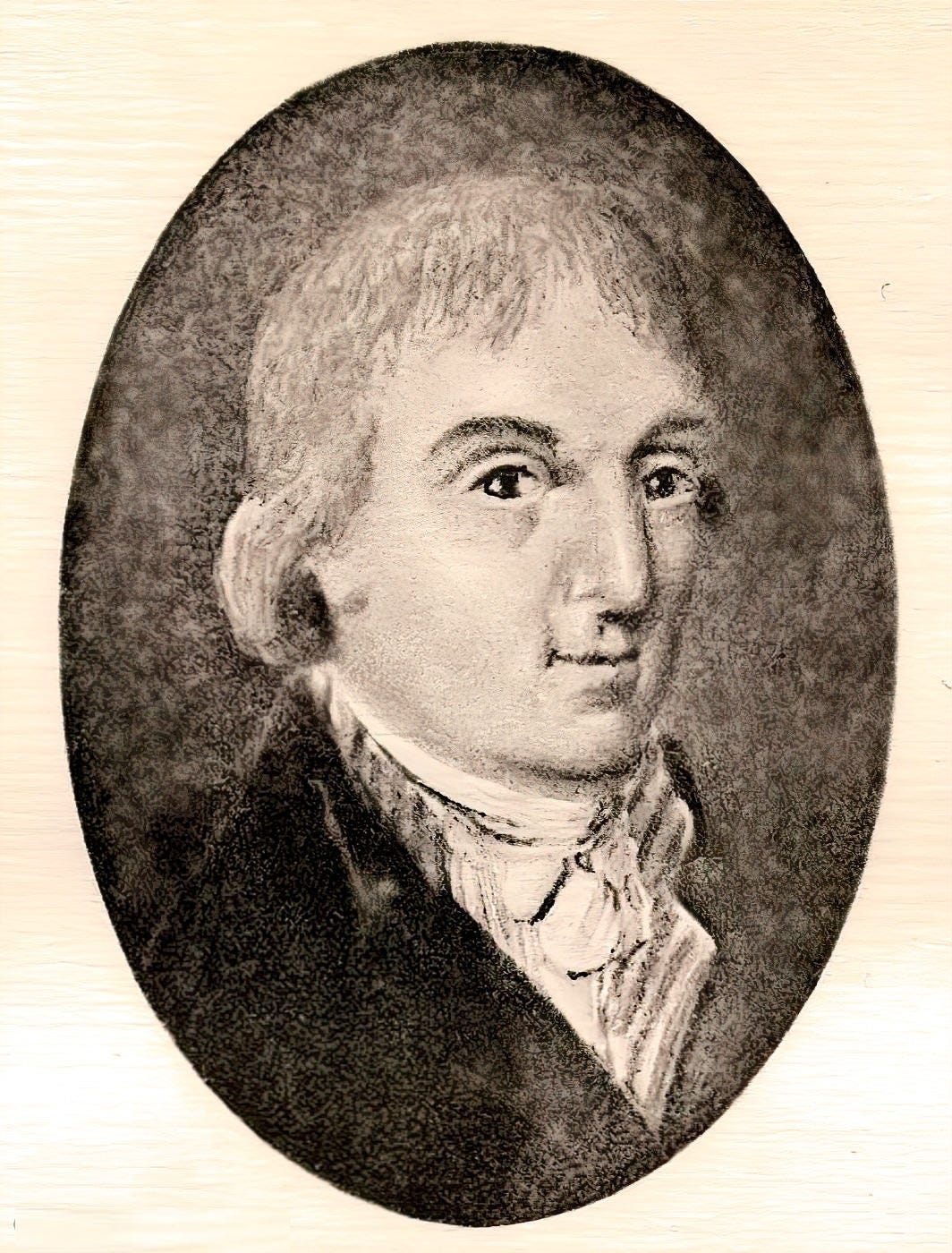
The Marriage of Figaro emerged from one of the most fruitful collaborations in music history. Mozart teamed with the Venetian-born librettist Lorenzo Da Ponte for three operas: The Marriage of Figaro (1786), Don Giovanni (1787) and Così fan tutte (1790). Together they created works that transformed opera from a display of vocal virtuosity into a dramatically sophisticated art form.
Da Ponte adapted his libretto from Pierre-Augustin Caron de Beaumarchais’ controversial French play La Folle Journée, ou Le Mariage de Figaro. The original play sharply criticized aristocratic privilege and was considered politically dangerous. In France, it was initially banned, and even after its release it was viewed as a challenge to the social order that would soon be upended by the French Revolution.
Vienna in the 1780s was hardly eager for revolutionary theater. Emperor Joseph II had prohibited public performances of Beaumarchais’ play. To secure approval, Da Ponte carefully reshaped the story, softening its most overt political attacks while preserving its essential conflict between servants and their aristocratic master.
Lawless believes Da Ponte deserves equal credit for the opera’s enduring greatness.
“His contribution is absolutely equal with Mozart’s,” he said. “The libretto is absolutely astonishing. It is rare in opera to get a libretto that’s as good as the music.”
He argues that Da Ponte’s writing inspired Mozart to compose at the highest level.
“This libretto clearly inspired Mozart to write,” Lawless said before offering an extraordinary assessment: “I think it is the greatest opera, full stop. Nothing else comes close to it. Not Wagner, not Verdi, certainly not Puccini. I think this is the musical-dramatic equivalent of the Sistine Chapel.”
A wedding day filled with obstacles
At its core, The Marriage of Figaro is a comedy. Figaro and Susanna are preparing for their wedding, but their plans are threatened by Count Almaviva, who hopes to seduce Susanna for himself.
Lawless summarizes the story succinctly.
“It’s the story of Figaro and Susanna, who, as the title suggests, it’s their wedding day,” he said. “But their wedding is being thwarted by the man in the position of power, in this case Count Almaviva.”
The Count publicly claims to have abolished the feudal privilege that allowed noblemen to pursue servants on their wedding nights, yet privately seeks to exploit his position. That hypocrisy drives the plot and sets in motion a maze of disguises, misunderstandings and near-disasters.
For Lawless, however, the opera is about much more than comic intrigue.
“It becomes an examination of marriage,” he said.
The young couple must confront fears and uncertainties even on the happiest day of their lives. At the same time, the troubled marriage of the Count and Countess offers a contrasting portrait of love damaged by infidelity and neglect.
“It explores marriage in many different ways,” Lawless said.
Music that moves “as fast as thought”
Part of the opera’s enduring power lies in Mozart’s astonishing ability to illuminate character and emotion through music. Lawless points to the Act II finale, one of the most celebrated ensemble scenes in all opera.
Referencing Peter Shaffer’s Amadeus, Lawless recalled Mozart’s fictional claim to Emperor Joseph II that “I can write music that’s as fast as thought.”
“And he can,” Lawless said.
For directors and performers alike, that speed presents enormous challenges.
“Trust me, that’s really difficult, first for the singers, and then for me to stage,” he said. “You have to be at least one step ahead of it all the time.”
Even after decades of experience, Lawless remains awed by the score.
“The Act II finale of Figaro is one of humanity’s greatest achievements,” he said.
He is particularly fascinated by Mozart’s handling of comedy. Unlike many comic works that rely on exaggerated reactions, Mozart often achieves greater effect through restraint.
Discussing a scene in which Count Almaviva discovers the page Cherubino in an embarrassing situation, Lawless noted that audiences might expect a furious outburst. Instead, Mozart deliberately underplays the moment.
“What you expect in lesser hands would be a big explosion of anger,” Lawless said. “And Mozart totally underplays it with absolute brilliance.”
A traditional setting with revolutionary undercurrents
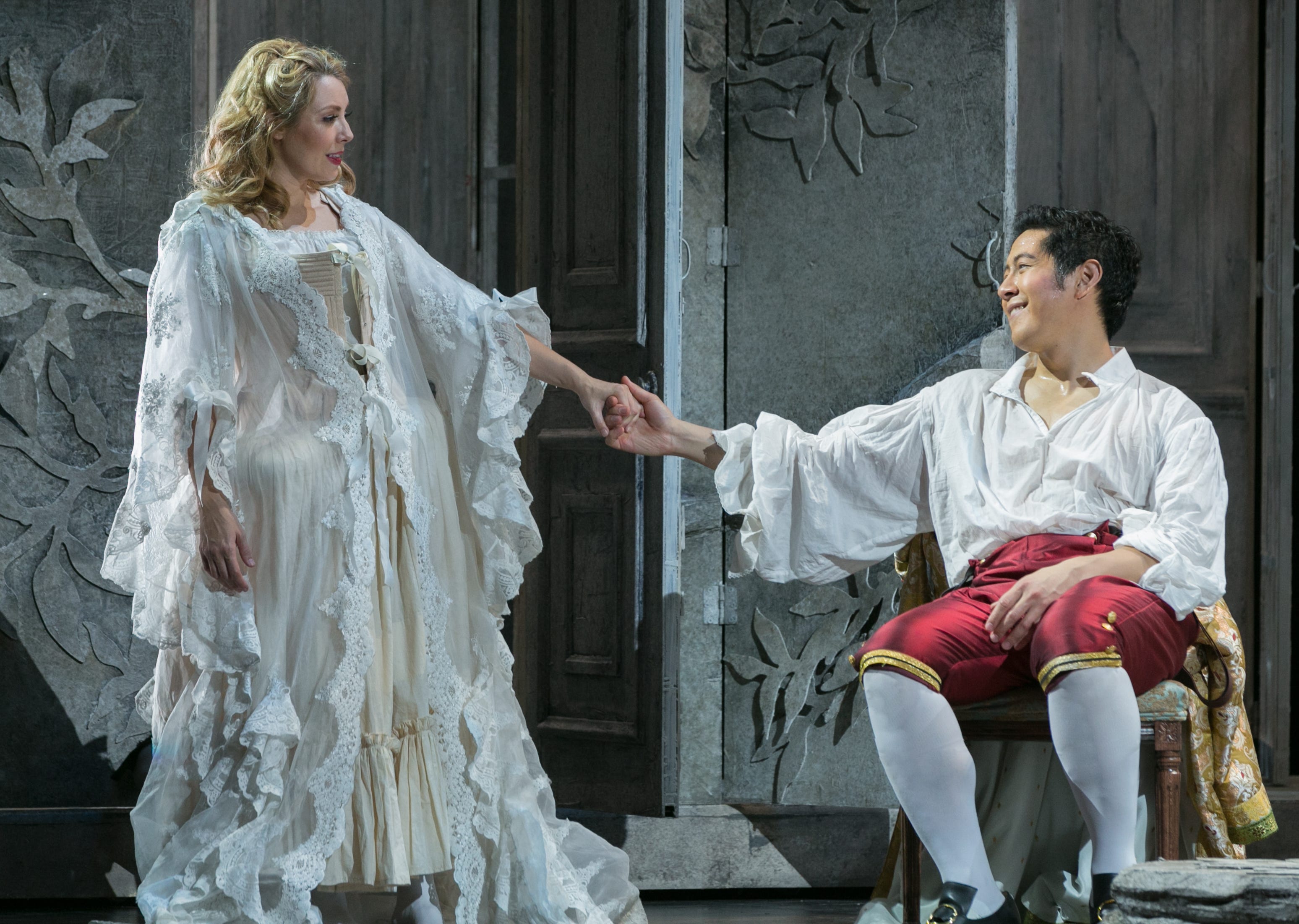
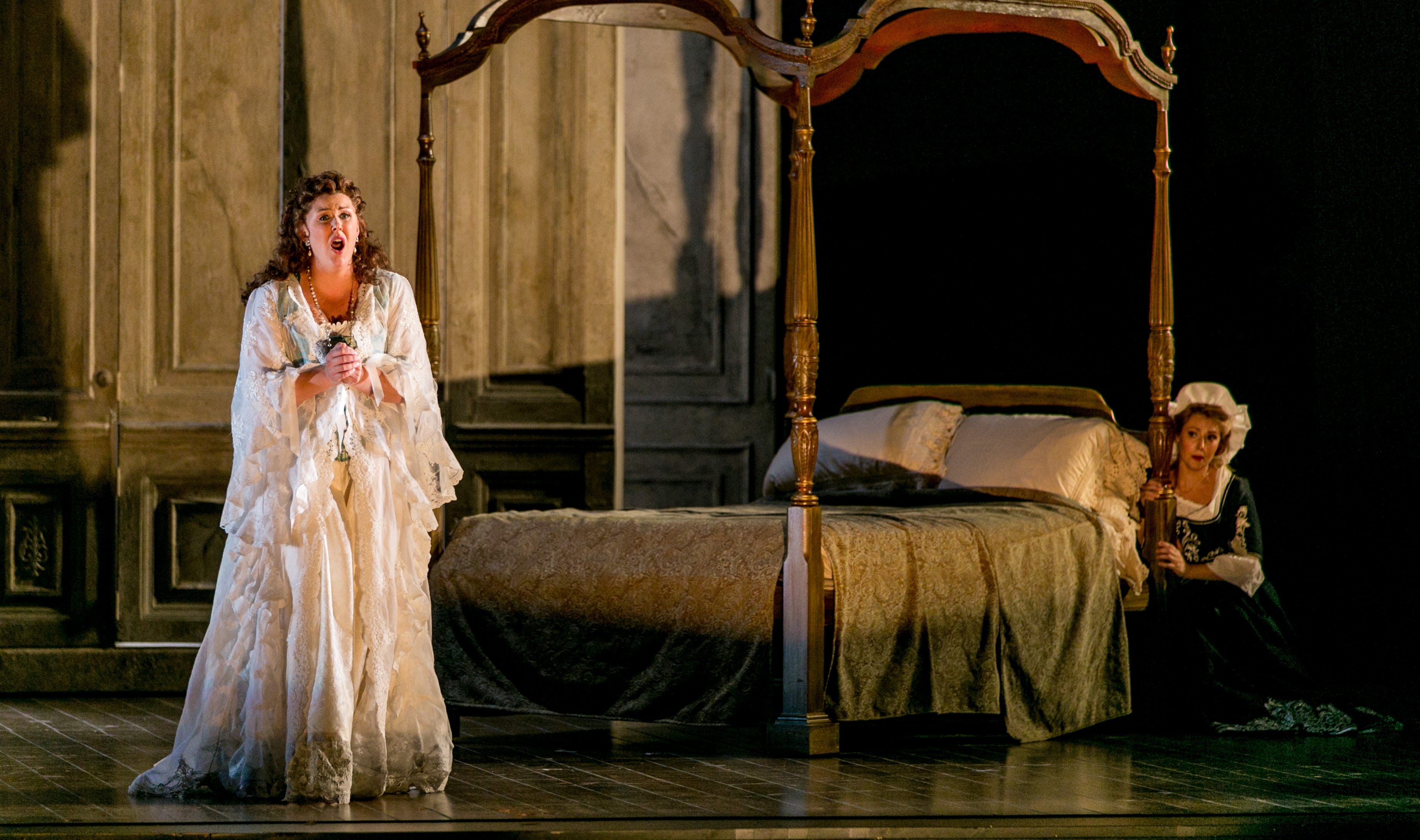
For Kansas City audiences, Lawless’ production presents the opera in an 18th-century setting while emphasizing themes that still resonate today.
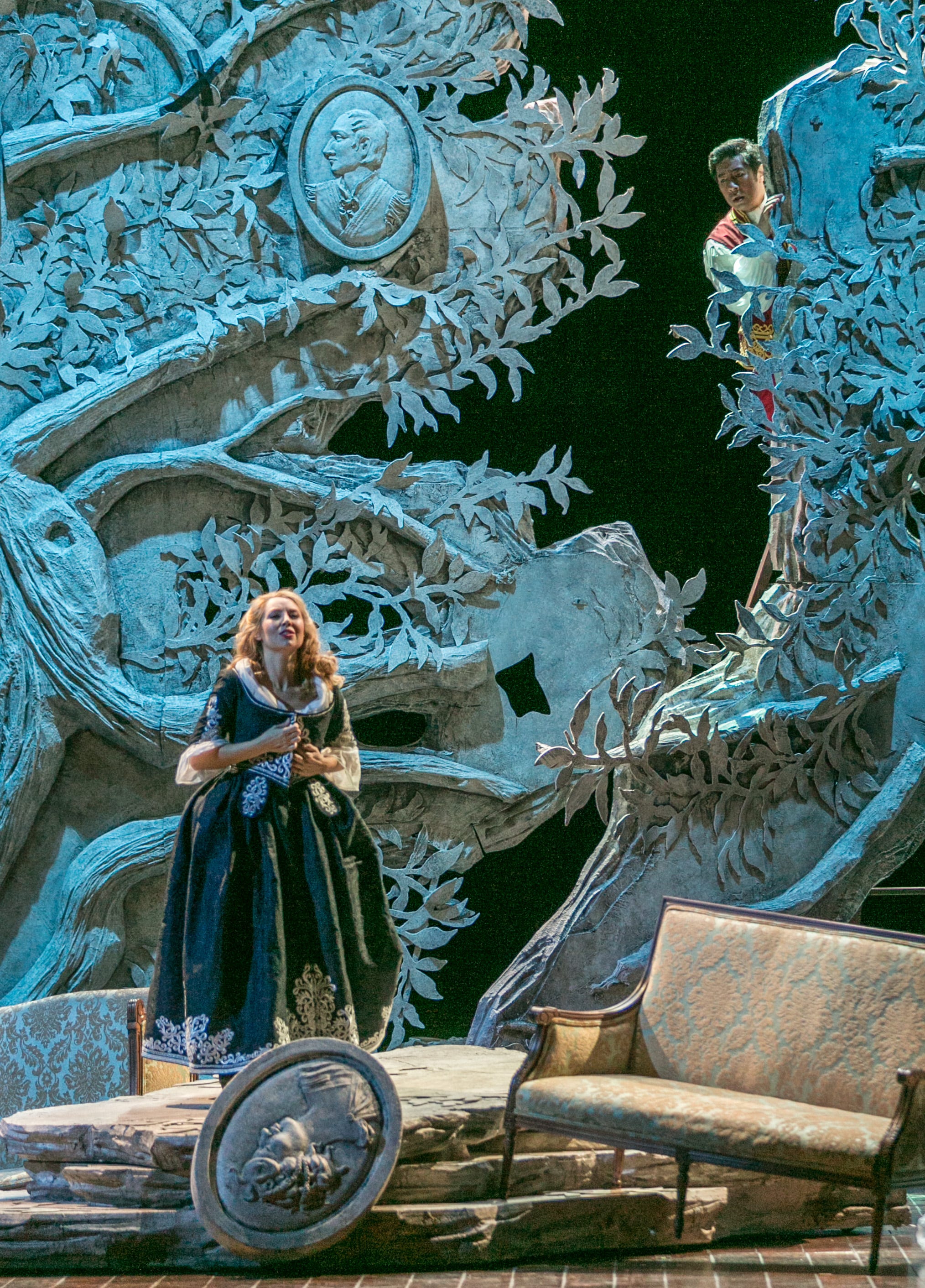
“The costumes are 18th century,” he said. “The set feels 18th century, but is kind of an updated version of that.”
Central to the design is a large family tree of Count Almaviva’s aristocratic ancestors. As the evening progresses, the servants begin dismantling that visual symbol of inherited power.
“The servants start to take these plaques of his ancestors off the wall and smash them,” Lawless said.
The image recalls the political origins of Beaumarchais’ play. Although Da Ponte softened its most radical elements, the work still carries a spirit of social change.
Lawless noted that Napoleon reportedly described Beaumarchais’ original play as “the revolution in action.”
The opera’s servants are not merely comic figures. They possess intelligence, dignity and moral authority equal to, and often greater than, those of their social superiors.
“There is this revolutionary thing about Figaro,” Lawless said. “The servants are as good as the people who rule over them.”
An enduring masterpiece
Nearly 240 years after its premiere in Vienna, The Marriage of Figaro continues to captivate audiences because it combines exquisite music, sophisticated comedy and genuine emotional insight. Its characters are flawed, recognizable human beings rather than mythological heroes.
As Lawless observed, the opera was revolutionary in presenting “real people” on stage.
That humanity may explain why the work remains fresh after centuries of performance, and why even a director who has spent decades with the piece continues to discover new meanings within it.
For Kansas City audiences, this production offers a chance to experience one of the towering achievements of Western art, directed by an artist who has devoted a lifetime to understanding its secrets.