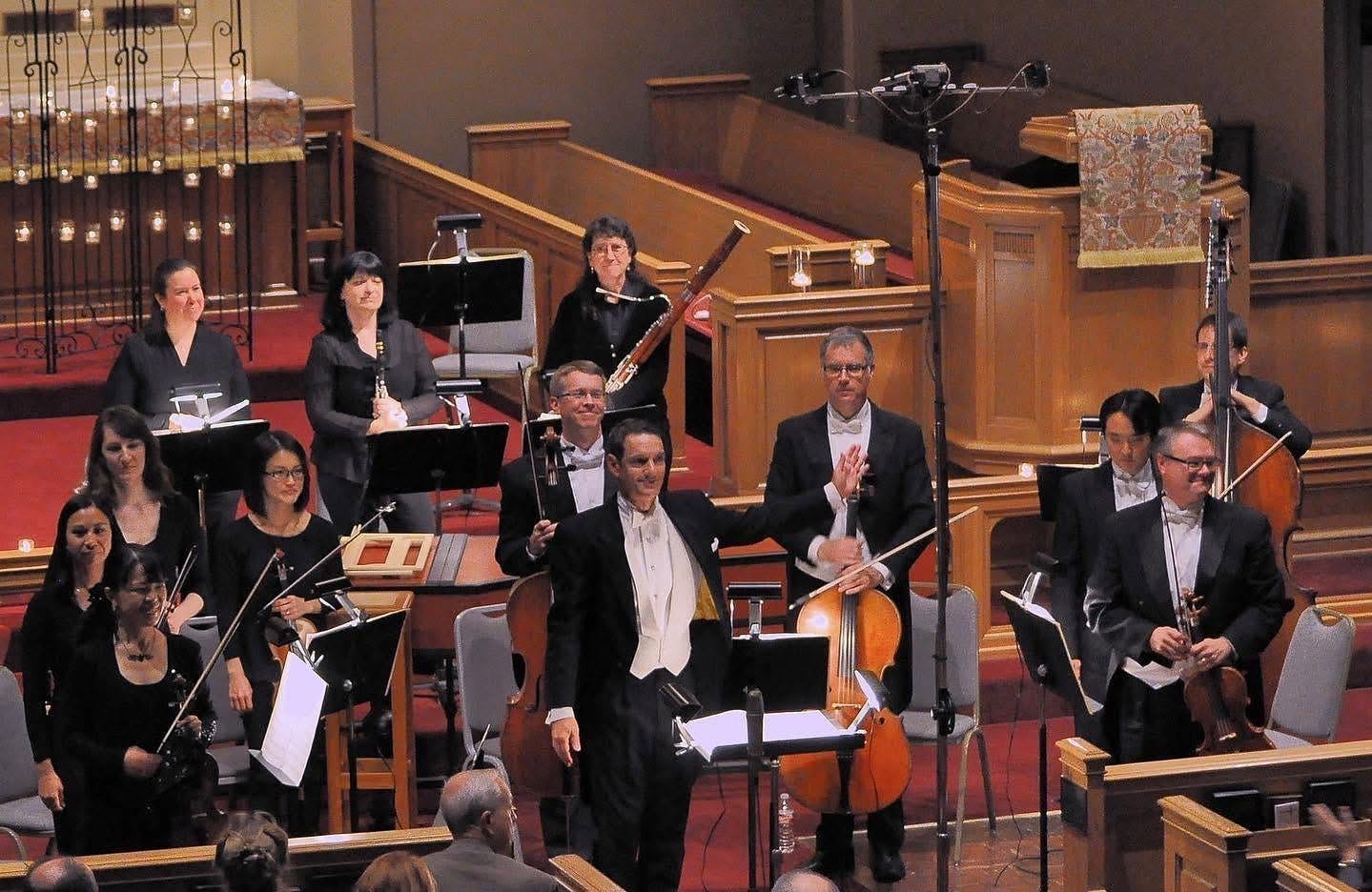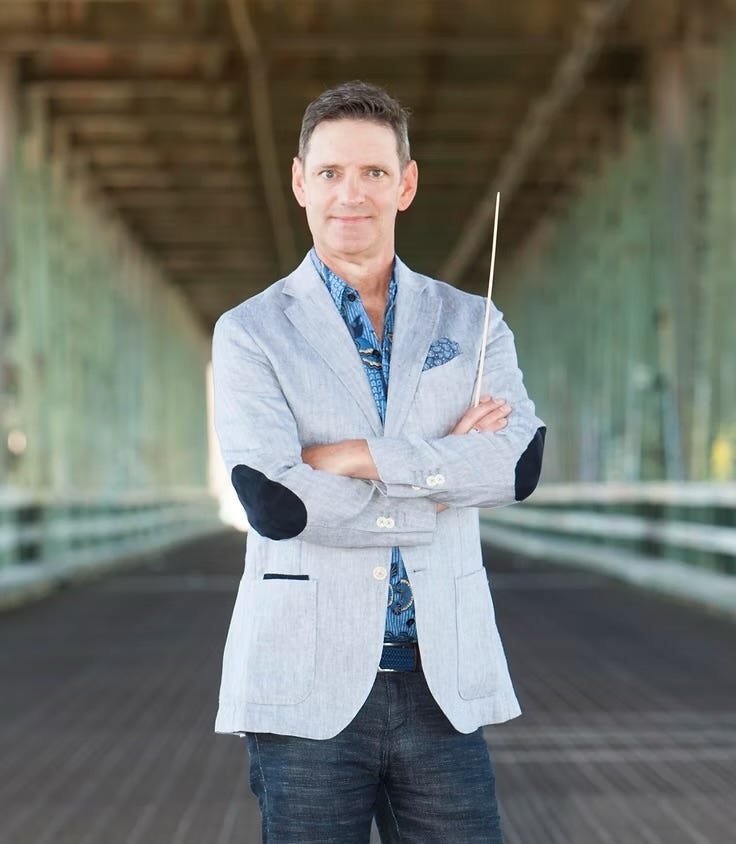
This preview brought you by the Kansas City Chamber Orchestra.
For 40 years, the Kansas City Chamber Orchestra has been one of the region’s most distinctive classical music organizations, championing repertoire that falls between the worlds of chamber music and the large symphony orchestra while also building a deep connection to Kansas City’s musical community.
The orchestra’s 40th season opens Oct. 20 with Autumn Glow at Grace and Holy Trinity Cathedral, a program that pairs a beloved Tchaikovsky masterpiece with a contemporary Baltic meditation and a deeply personal work by Kansas City composer Jean Belmont Ford. For artistic director Bruce Sorrell, the concert also serves as a reflection on an extraordinary four-decade journey.
“It felt a little bit like we didn’t know what we were getting into,” Sorrell said, laughing as he recalled the orchestra’s beginnings. “It’s like Mickey Rooney and Judy Garland putting up a curtain and saying ‘Let’s put on a show!”
When the he founded the orchestra in 1987, Sorrell was simply looking for a way to launch a conducting career.
“I was thinking, ‘Well, how do I start my career?’ And this was a great way to do that,” he said. “And it became my career in many ways.”
That career has become inseparable from Kansas City.
“I never imagined that my career as a conductor would be so rich here in Kansas City,” Sorrell said in announcing his retirement at the end of the 40th anniversary season. “Starting the Kansas City Chamber Orchestra in 1987 was a very exciting yet overwhelming prospect.”
Autumn Glow reflects many of the musical influences that have shaped Sorrell’s artistic identity. His studies took him from William Jewell College to Southern Methodist University, where he studied conducting with the legendary violinist and conductor Anshel Brusilow, and then to London for further study.
Those years exposed him to radically different approaches to orchestral sound.
In London, he absorbed the influence of Herbert von Karajan’s conducting tradition, learning how gesture alone can shape orchestral sonority.
“It was a really interesting, wonderful way to open up my thinking about what a conductor does,” Sorrell said. “You’re not directly making any of those noises. Those beautiful things that you elicit from an orchestra are just because of your gestures.”
At the same time, he found himself fascinated by the ideas emerging from the early music movement.
“People like Christopher Hogwood and Trevor Pinnick informed my conducting,” he said. “There’s that von Karajan sort of big-sound approach, and then there’s the early music movement coming to the fore and influencing what happens with the sound world.”
Those influences can be heard throughout Autumn Glow.

The concert opens with Lonely Angel by Latvian composer Pēteris Vasks, a work Sorrell discovered years ago while serving as executive director of Chamber Music Tulsa.
Almost immediately, he was captivated.
“I thought, ‘Oh, my gosh, this is just a gorgeous work,’” he recalled.
Written for solo violin and string orchestra, the piece unfolds slowly and meditatively. Violinist Anne-Marie Brown will take the solo role.
“It’s highly meditative,” Sorrell said. “The violin solo tends to lay in a fairly high tessitura. Then it has a couple of episodes that remind me of Bach.”
Like many Baltic composers, including Arvo Pärt and Ēriks Ešenvalds, Vasks occupies a unique musical territory.
“Their music sounds ancient and modern at the same time,” Sorrell said.
Sorrell believes the piece will offer audiences a rare experience.
“Vasks is a composer that’s not that well known in the Midwest,” he said. “It’s very exciting to be able to bring this piece to life.”

The program then turns to a work that has special significance both for Sorrell and for the orchestra’s history.
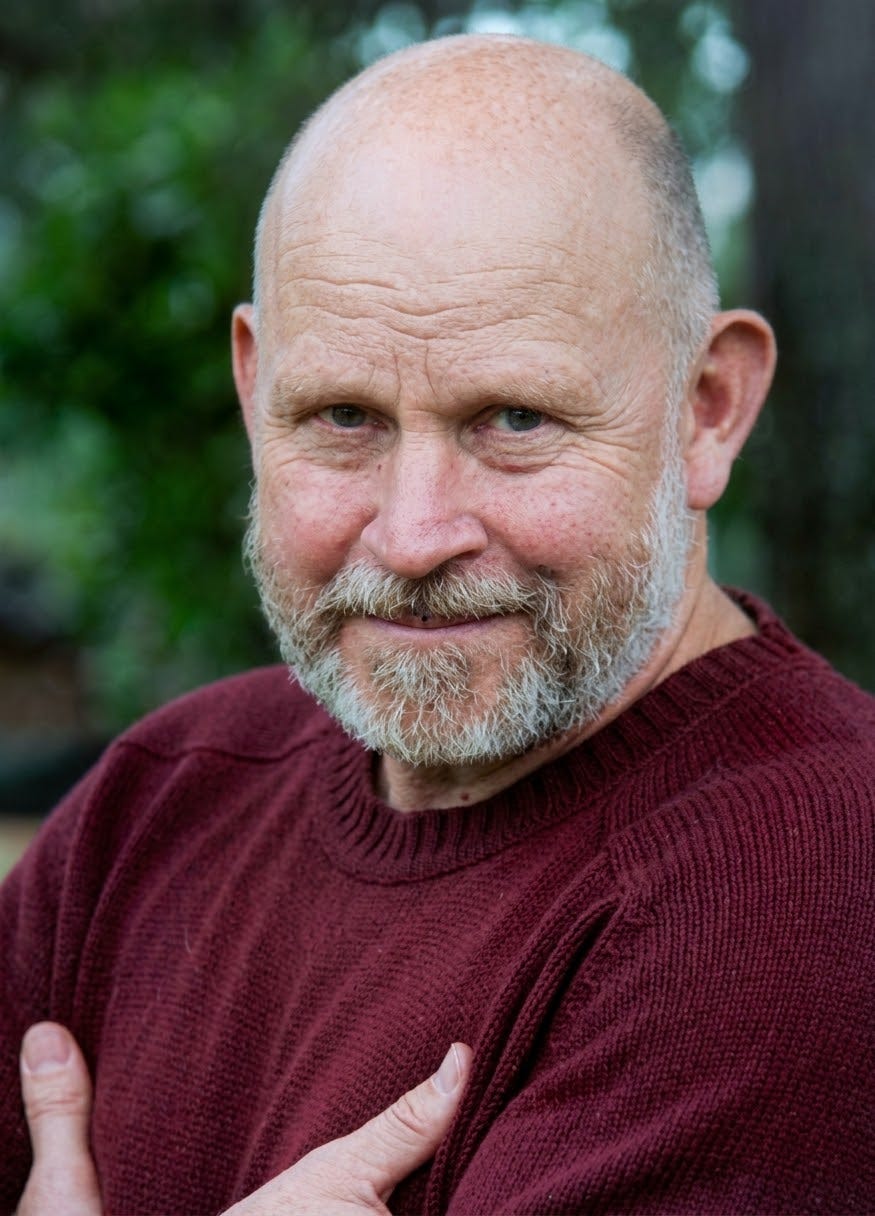
Jean Belmont Ford’s Remembrance was commissioned during the orchestra’s 10th season in memory of a board member who died of cancer. Scored for soprano and strings, the work sets three poems from the late Romantic era.
Ford, who lives in Overland Park, is known internationally for her choral music. Sorrell describes her as both a remarkable composer and a gifted communicator.
“She has a great sense of humor,” he said.
But it is the emotional directness of Remembrance that continues to draw him back.
“It’s a work that I love,” Sorrell said. “Jean’s work is always a little bit surprising, but it’s very tonal, and the way she uses tonality to inform the text and the emotional impact is quite wonderful.”
The performance will feature soprano Alyssa Nance, whom Sorrell says he is eager to collaborate with.
Now receiving its fifth performance by the orchestra, Remembrance has become one of the defining works in the ensemble’s history.
“It’s a piece that always leaves me feeling, ‘Oh, I love what has just happened,’” he said. “The course of the sound world and the music is very moving.”
The work also reflects Sorrell’s desire during this anniversary season to revisit important milestones from the orchestra’s past.
“In this case, that is very much the case,” he said. “As we’ve been moving toward the 40th season, I have been revisiting some of those works that were special in our history.”
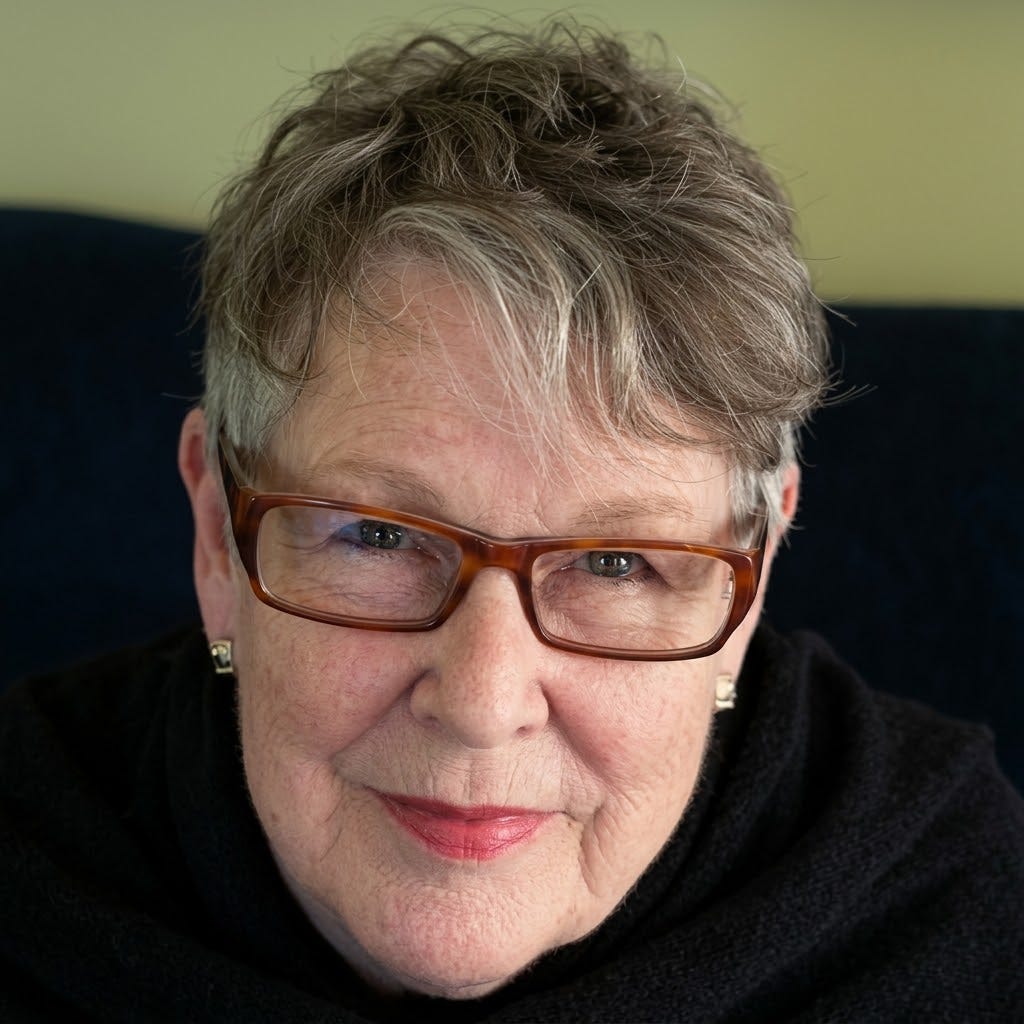

The concert concludes with Tchaikovsky’s beloved Serenade for Strings, one of the cornerstones of the string repertoire and a work that Sorrell first studied under Brusilow in Dallas.
“It’s obviously a great work,” he said. “It’s a masterpiece for strings. It’s popular for great reason.”
Sorrell still remembers listening recently to a vintage Karajan recording.
“Man, he is ruthless with those tempos,” he said. “They just come plowing through all those notes.”
Yet what continues to attract him to the piece is its emotional range. The famous waltz sparkles with elegance, while the elegy movement carries the emotional weight often associated with Tchaikovsky.
“The elegy movement is full of that sort of pathos that we associate with Tchaikovsky,” Sorrell said. “It definitely is autumnal.”
His years of conducting the piece have also changed his perspective on the score. As a student, he inherited performance cuts that had been passed down through Philadelphia Orchestra traditions dating to the Eugene Ormandy era. Over time, however, he abandoned them.
“I feel like Tchaikovsky knew what he was doing,” Sorrell said. “I’m just going to leave it alone and let what he wrote do the speaking.”
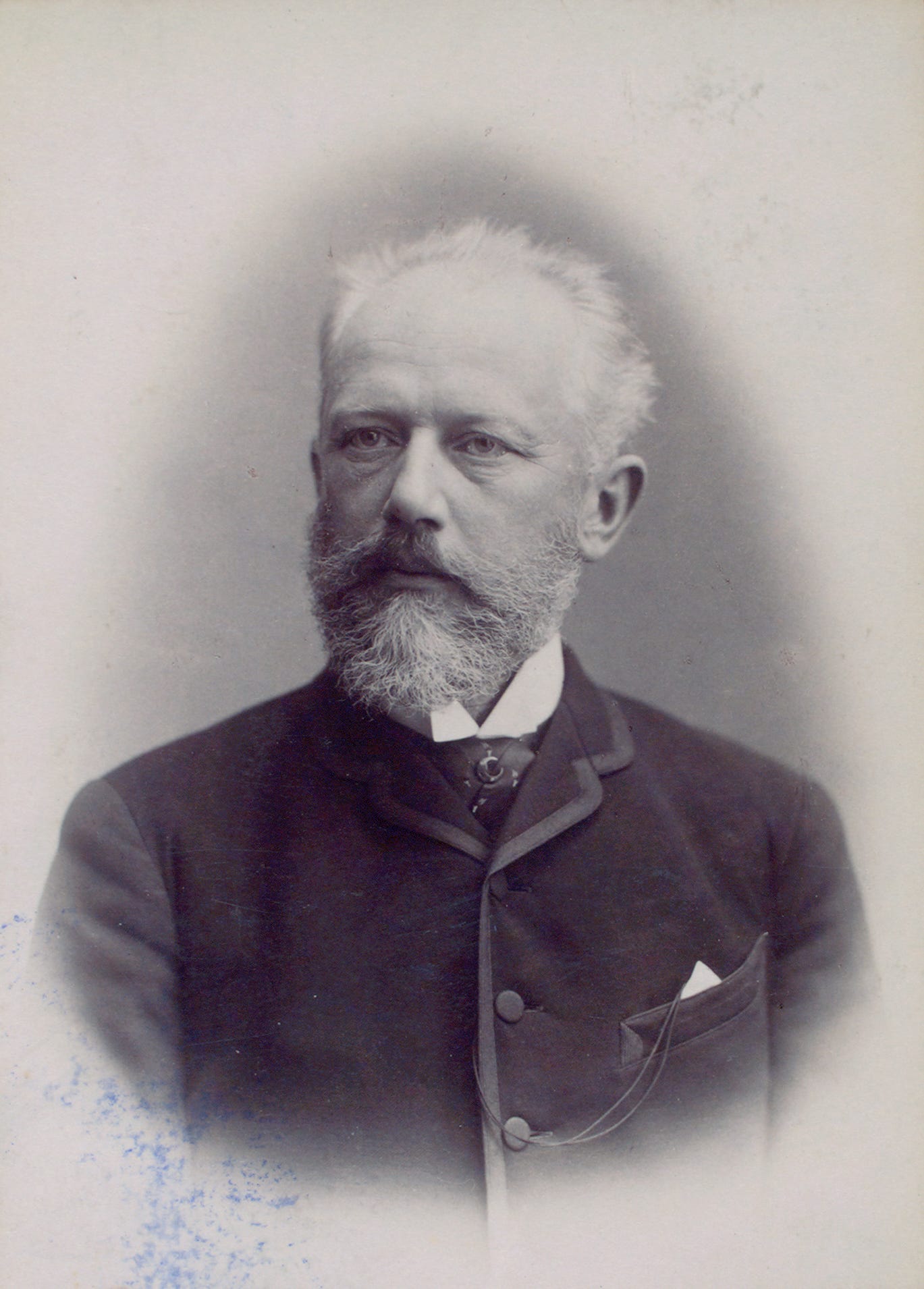
The opening concert arrives during a season that carries special significance beyond the orchestra’s anniversary with this being the final season Sorrell leads the Kansas City Chamber Orchestra after four decades on the podium.
Looking back, he expresses gratitude not only for the organization’s longevity but for the community that made it possible.
“So many different people over the years contributed to our ongoing success,” he said. “Subscribers, funders, staff, and all the organizations we have collaborated with over the years.”
He is especially thankful for his family.
“I’m particularly grateful for the support from family, including my children who all took turns selling chocolates at performances,” he said.
When asked to identify the orchestra’s greatest achievement, Sorrell’s answer is immediate.
“There are numerous highlights over the years, but I think the most important thing has been working with the extraordinarily talented professional musicians who make Kansas City their home,” he said. “I’m very proud to have supported the infrastructure of Kansas City’s music community.”
That community spirit has defined the Kansas City Chamber Orchestra from the beginning, and it resonates throughout Autumn Glow. From the serene spirituality of Vasks to the heartfelt remembrance of Ford and the emotional richness of Tchaikovsky, the program reflects both the artistic curiosity and the human warmth that have characterized Sorrell’s tenure.
“It’s a lot of really wonderful music,” he said. “I’m quite excited. It’s a great way to start our 40th season.”
The Kansas City Chamber Orchestra Presents
AUTUMN GLOW
Tuesday, October 20 at Grace and Holy Trinity Cathedral. Bruce Sorrell will present a pre-concert talk at 6:30 p.m.
Tickets and information are available at kcchamberorchestra.org.