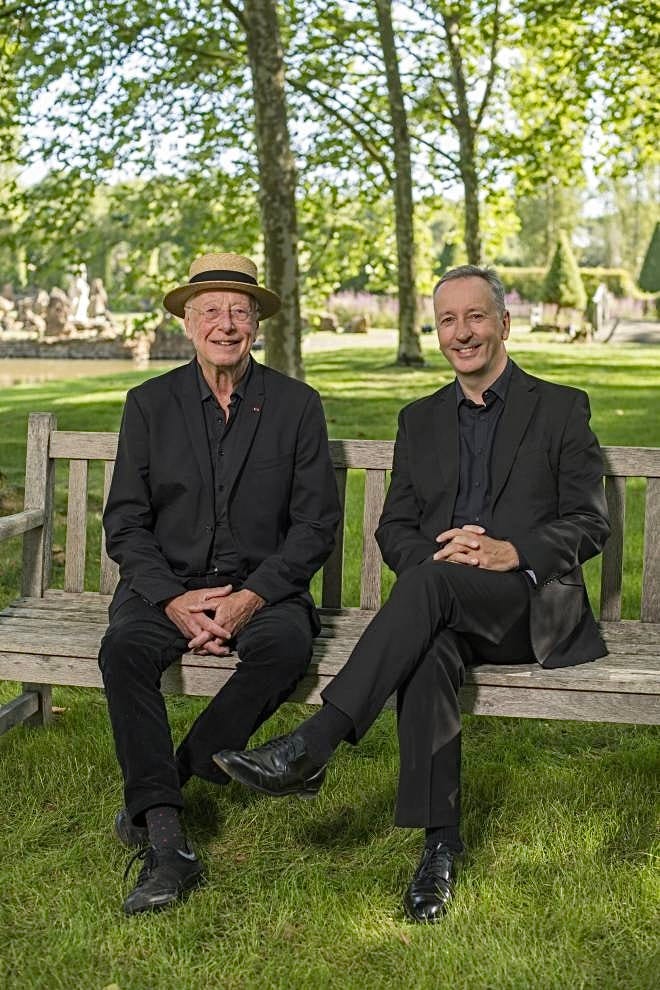
For lovers of early music, few ensemble names carry the aura and authority of Les Arts Florissants. Since its founding by harpsichordist and conductor William Christie in 1979, the French ensemble has become one of the world’s foremost champions of Baroque and Renaissance repertoire, helping to shape the modern early music movement. On Thursday, Nov. 19, the celebrated group returns to Kansas City’s Folly Theater for The Magic of Monteverdi, a program conducted by Christie and co-artistic director Paul Agnew and presented by the Harriman-Jewell Series.
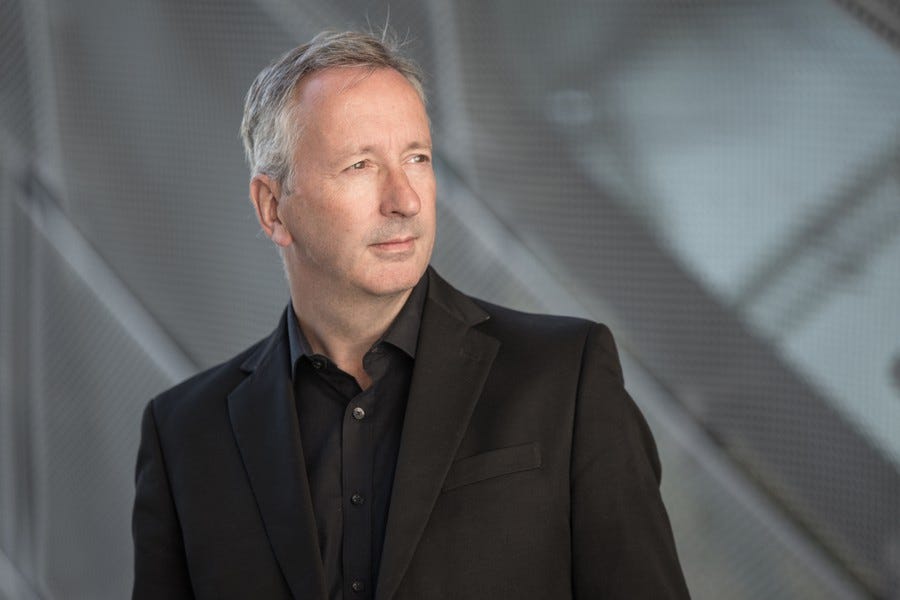
For Agnew, who first joined Les Arts Florissants as a singer before eventually stepping into leadership alongside Christie, the opportunity to perform Monteverdi remains as thrilling as ever.
“I sometimes wake up and I think, ‘Really, is this really what I’m going to do today?’” Agnew said in a recent interview. “We’re going to sing Monteverdi, one of truly the foundational composers of the Baroque repertoire, someone from whom you learn so much. We’re going to do it together, William and I, and we’ve got a great team of singers around us. It’s kind of a dream.”
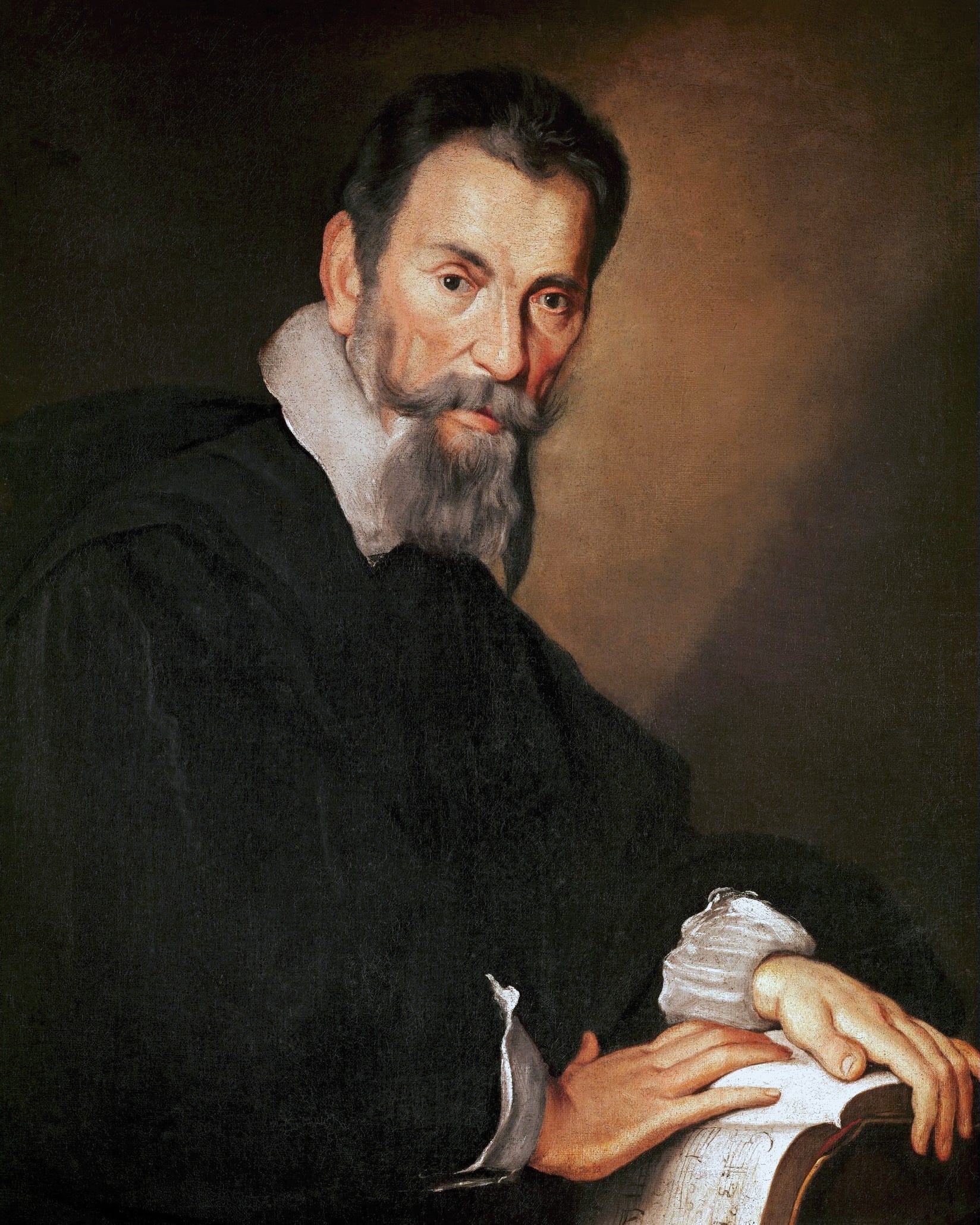
That sense of wonder lies at the heart of a program devoted to Claudio Monteverdi, the composer who stands at the crossroads between the Renaissance and the Baroque and whose innovations helped give birth to opera itself.
Agnew believes Monteverdi’s genius stemmed not from academic theory but from an instinctive understanding of drama and human expression.
“The guys in Florence had this very intellectual idea about recreating ancient music,” he explained. “Monteverdi hears this and thinks, ‘Wow, this gives you so many opportunities.’ He can color each word, each phrase. He can make this into truly dramatic music, not an intellectual pursuit, but something new and modern and expressive.”
The result was a revolution in musical language. Monteverdi transformed music from an art governed primarily by formal rules into one driven by emotional communication. As Agnew noted, Monteverdi famously insisted that the text should become “mistress of the music,” with every harmonic twist and expressive gesture serving the meaning of the words.
For audiences, however, the significance of Monteverdi extends beyond music history.
“It’s not just an intellectual pursuit,” Agnew said. “It’s fantastically beautiful music, fantastically accessible music. Of course, we sing in Italian, but everything will be translated, and the poems are gorgeously romantic. The way in which it’s set is so subtle and beautiful. We feel the inner emotion of the poem at the same time as we’re speaking the words.”
The concert’s title, The Magic of Monteverdi, comes directly from that extraordinary ability to unite poetry, drama and music into a single expressive force.
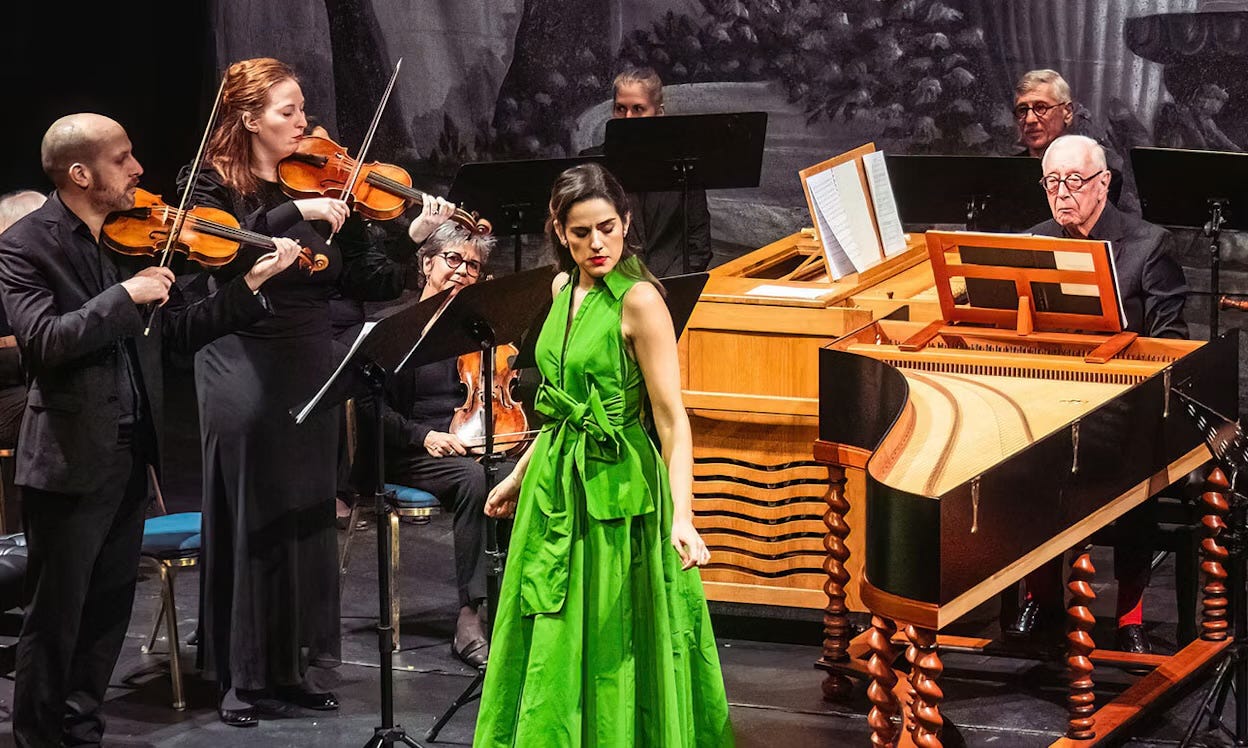
Central to the evening is Il Combattimento di Tancredi e Clorinda (The Battle of Tancredi and Clorinda), one of Monteverdi’s most striking dramatic works. Agnew will perform the role of the narrator, or testo, in what he describes as a miniature opera compressed into roughly 20 unforgettable minutes.
Based on an episode from Torquato Tasso’s Jerusalem Delivered, the story follows the knight Tancredi, who unknowingly duels the woman he loves. Clorinda is so completely covered in armor that he fails to recognize her. Only after mortally wounding his opponent does he discover her identity.
Monteverdi composed Il Combattimento for the Venetian Carnival of 1624, and it received its first performance in the Palazzo Mocenigo, the home of a prominent Venetian nobleman. Rather than a public opera house, the setting was an aristocratic palace salon, where invited guests witnessed a work unlike anything they had heard before.
“It’s an amazing piece,” Agnew said. “You go through this whole experience, from their meeting and threatening each other, into the battle, out of the battle, the wound, and then finally her last words.”
Just as remarkable as the story is the music itself. Monteverdi employed techniques that were startlingly new for the early 17th century.
“He asks, for example, that the players play pizzicato,” Agnew explained. “He doesn’t use the word pizzicato. He describes how to put the thumb under the string and strike it. It’s completely and totally new, something we take for granted now.”
Rapid repeated notes, dramatic string effects and vivid orchestral colors combine to heighten the tension of the duel, creating a level of musical storytelling unprecedented in its time.
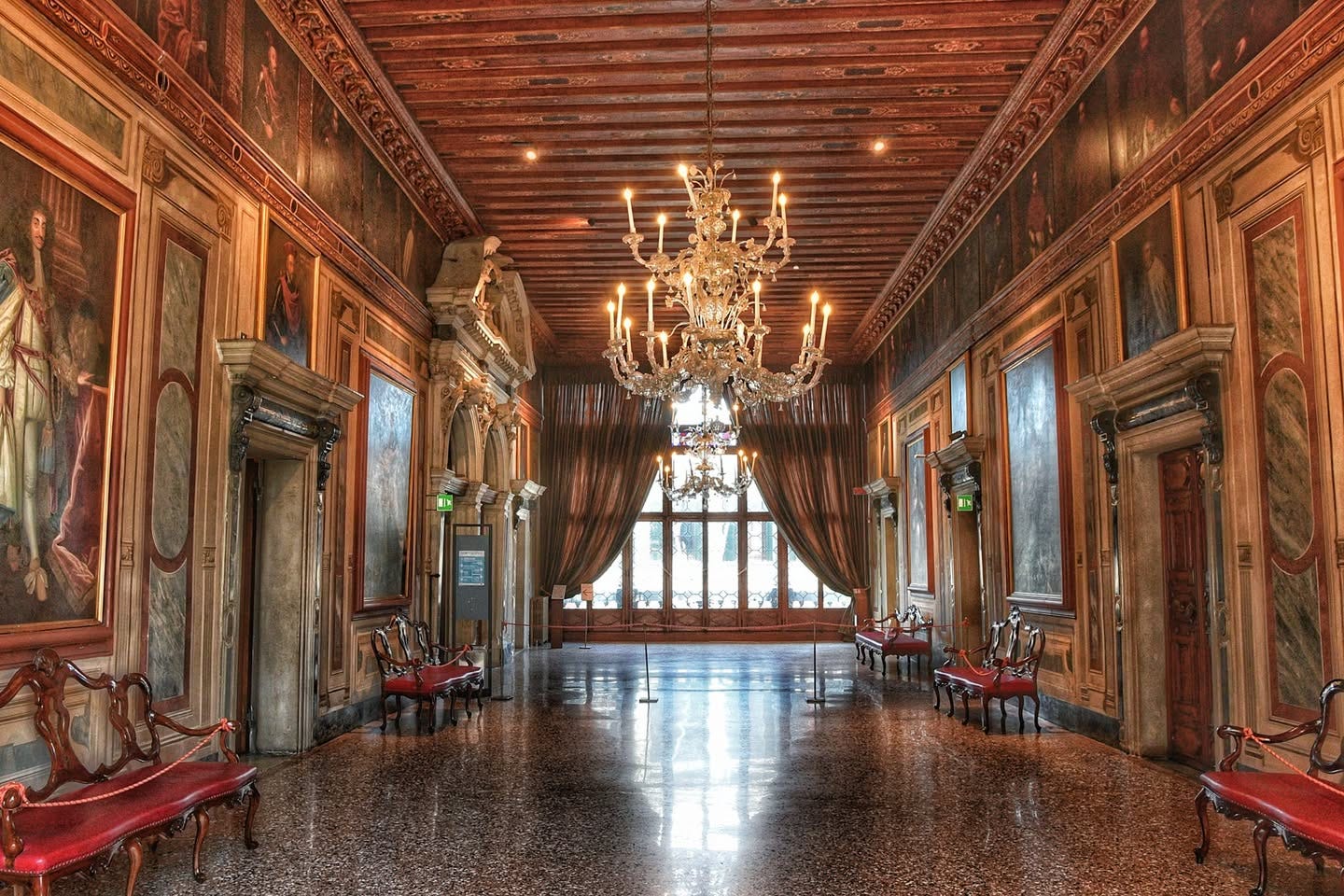
Surrounding Combattimento will be a selection of Monteverdi’s madrigals, works that Agnew calls the composer’s creative laboratory.
Before opera fully emerged, Monteverdi was already experimenting with dramatic expression through chamber-scale vocal works written for elite courts such as Mantua and Ferrara. Those court performances became testing grounds for ideas that would ultimately reshape Western music.
“In the madrigal repertoire, he’s constantly experimenting,” Agnew said. “With drama, with dissonance, with melody, with instruments or no instruments. Are we trying to sound like war? Should it be very rhythmic? Or should it sound like love, very legato and melodic? All of these things are new.”
The madrigals on this program range from passionate love poetry to subtle depictions of nature. Agnew cites Baci soavi e cari as a work built around the intimate experience of a kiss, while Ecco mormorar l’onde evokes daybreak emerging from silence.
“It’s a miracle of music to describe silence in sound,” he said.
What makes Monteverdi’s music especially compelling nearly 400 years later is its immediacy. The emotional directness that once shocked audiences now feels surprisingly modern.
“He is breaking the rules down in order for the music to become more and more expressive,” Agnew said. “And that is the magic of Monteverdi.”
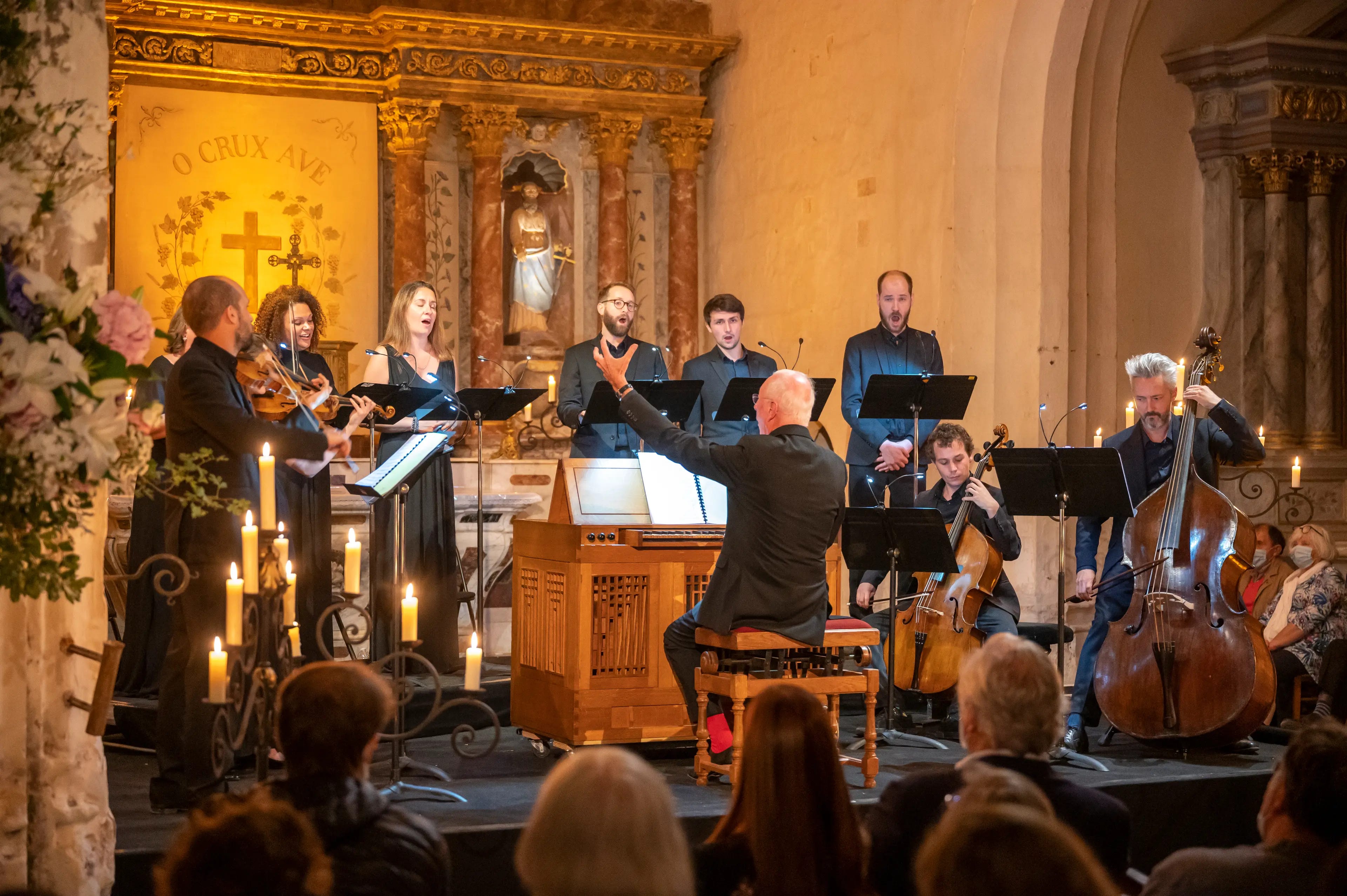
The concert also brings together two of the most respected figures in early music: Christie, the ensemble’s visionary founder, and Agnew, who has gradually assumed a larger artistic role over the past two decades.
Agnew’s own journey with Les Arts Florissants began as a singer. Over years of rehearsals, performances and artistic discussions, he developed a close creative partnership with Christie.
“I was sufficiently mouthy in rehearsals,” he joked. “I always had ideas. Eventually Bill thought maybe I should just take the rehearsal myself.”
A trial conducting assignment in 2007 led to an increasingly prominent leadership role and eventually to his appointment as co-artistic director.
Today, the partnership allows Les Arts Florissants to balance its celebrated legacy with continued exploration. Alongside masterpieces by Monteverdi, Handel and Charpentier, the ensemble regularly revives neglected works that have languished in archives for centuries.
“There are many, many libraries which are still absolutely packed with music which we haven’t touched,” Agnew said. “It’s part of our DNA. We have to keep working on producing this music.”
For Kansas City audiences, however, the focus on Nov. 19 will be one of the greatest musical innovators who ever lived. In the hands of Les Arts Florissants, Monteverdi’s revolutionary blend of passion, poetry and drama promises to sound as fresh and astonishing as it did four centuries ago.