

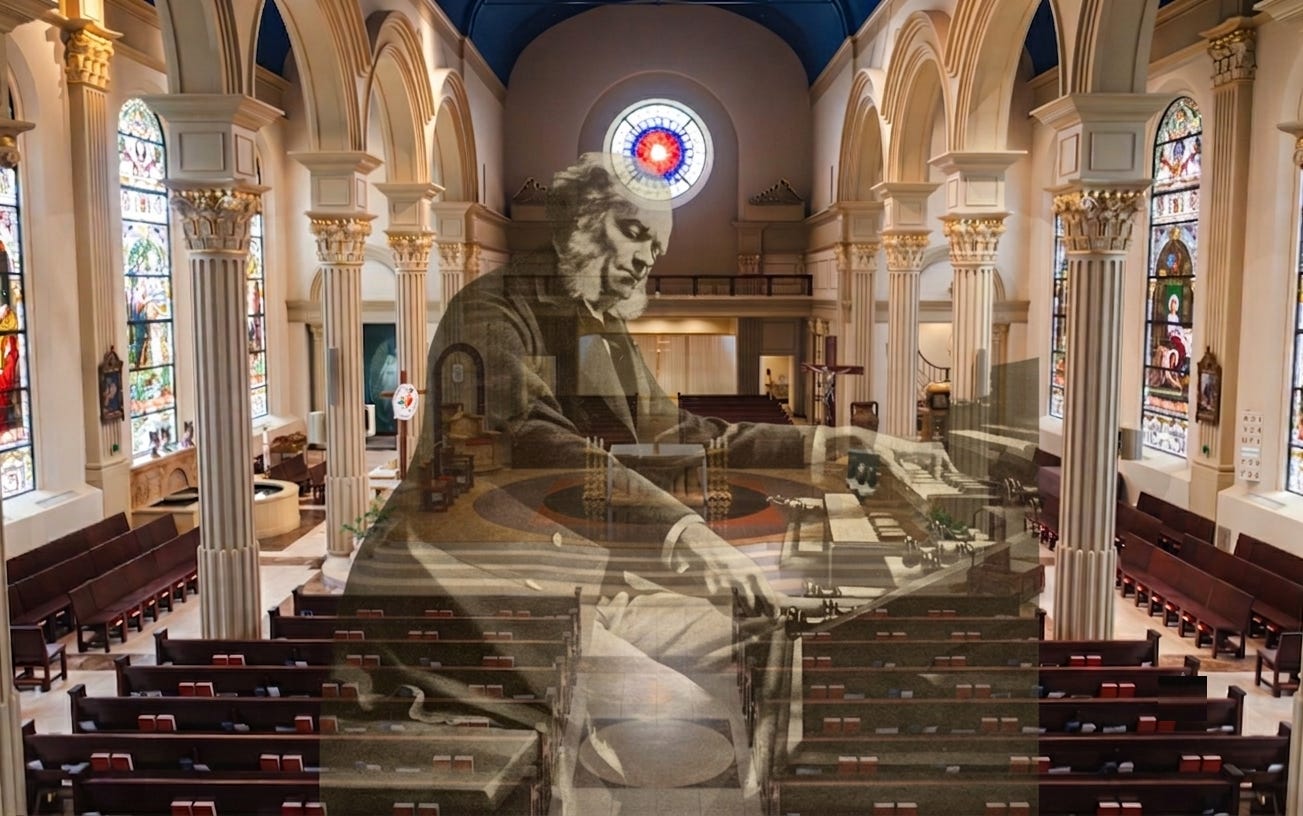
On Sunday, August 23 at 2 P.M., the Cathedral of the Immaculate Conception will once again open its doors to Kansas City audiences for the 14th annual French Organ Music Festival. The three‑hour event, free and open to all, has become one of the city’s most distinctive musical traditions: a marathon of French repertoire performed on a magnificent Ruffatti organ in one of the region’s most resonant acoustic spaces.
The festival was the brainchild of Mario Pearson, the Cathedral’s Director of Music and Principal Organist. Pearson recalled attending the long‑running Bachathon at Grace and Holy Trinity Cathedral, and imagined a complementary event across the street. “Here are two cathedrals in the heart of the city in downtown,” he said, “why not explore the idea of having a festival that celebrates the organ, but maybe a different genre?” French organ music, with its sweeping colors and architectural grandeur, seemed a natural fit for the Cathedral’s buoyant acoustic.
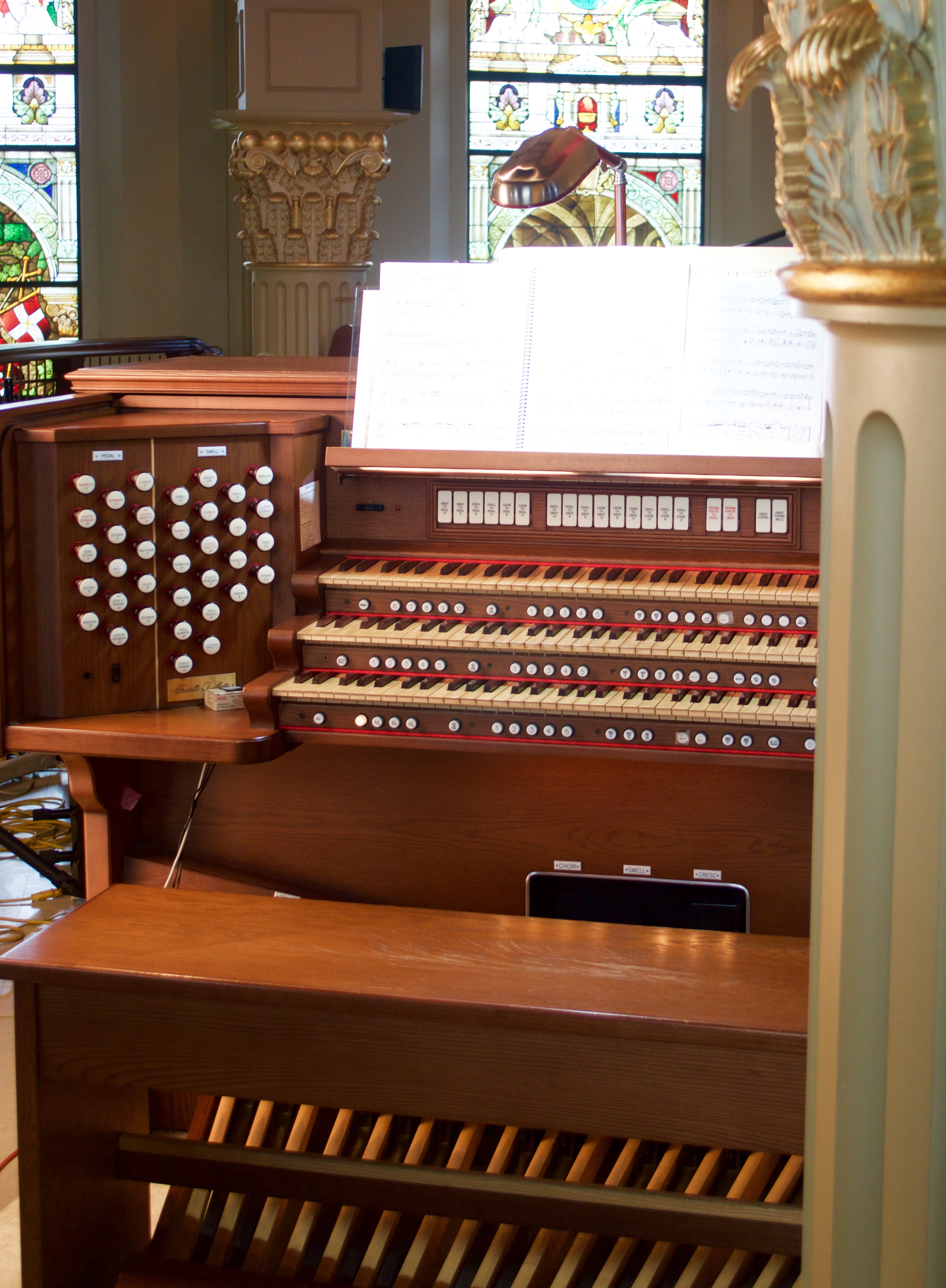
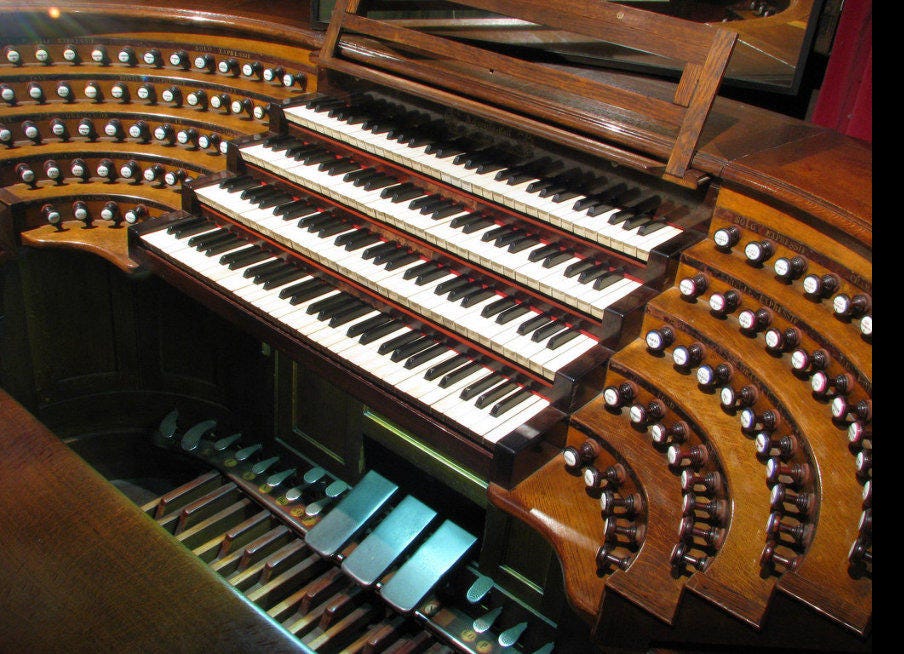
Pearson also wanted audiences to see the organist at work. “Most people hear organ music and they can recognize it as the organ,” he said, “but they don’t quite know what the performer does on the console—there’s so many facets to it.” From stop changes to pedal technique to the increasingly common use of iPads and hands‑free page‑turning technology, the festival offers a rare chance to watch the instrument’s dazzling complexity up close and personal.
A Unique Organ for a Unique Festival
The Cathedral’s organ is itself a draw. Pearson describes it as “four organs in one,” combining pipe ranks, digital versions of most stops, and an MX‑200 module that imports additional sampled sounds. “You can literally use any stop you want,” he said, “and include it in your registrations. The beauty of the acoustics in that space is it just blends together so beautifully.”
Organist Jan Kraybill—one of Kansas City’s most celebrated musicians and Conservator of the Casavant organ at Helzberg Hall—agrees that the instrument’s flexibility is extraordinary. “Every organ has its strengths and weaknesses,” she said, “but the acoustic is I think what makes this organ very, very successful.” She added that its vast palette of stops makes registration “an adventure in creativity,” allowing performers to find exactly the color they imagine. “Oh my gosh, the flexibility of this instrument is amazing.”
The Afternoon’s Program
The festival begins at 2:00 p.m. with organist Beth Elswick, a longtime participant and retired educator. Pearson calls her “a very, very fine organist,” noting that she will perform works by Alexandre Guilmant and Jean Langlais and will include a vocalist for one selection.
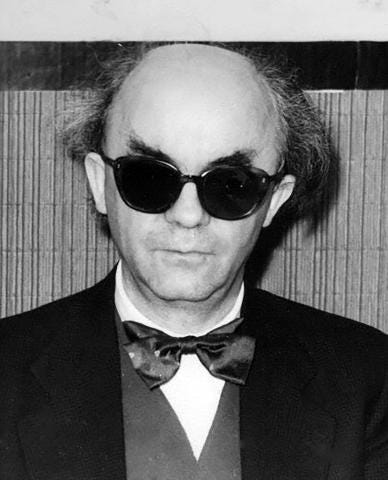
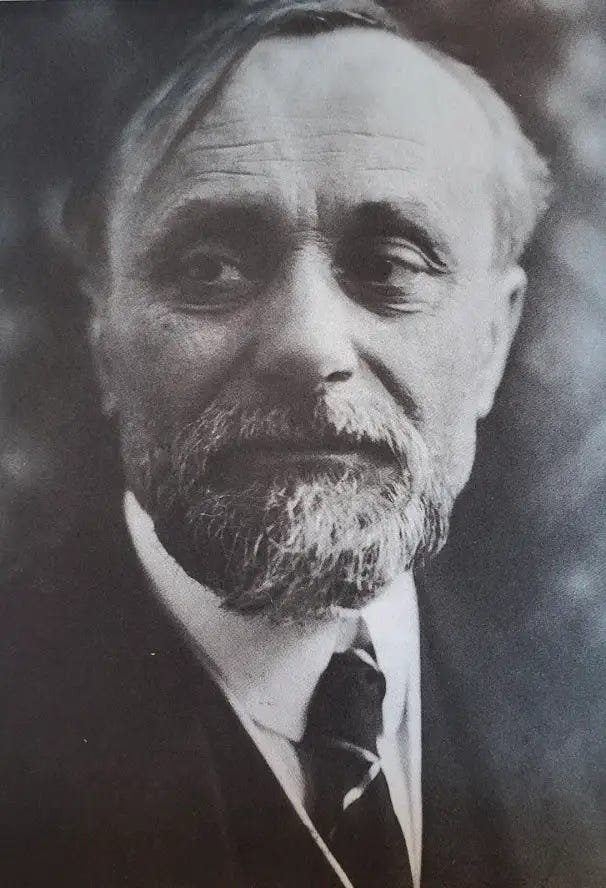
One of the early highlights will be a dramatic work by Charles Tournemire, a composer whose music is rooted in improvisation. “I believe that this one was originally an improvisation and then transcribed by somebody else so that the rest of us can play it,” Kraybill said. “It’s a very, very dramatic piece, and, oh, it will sound wonderful in the cathedral.”
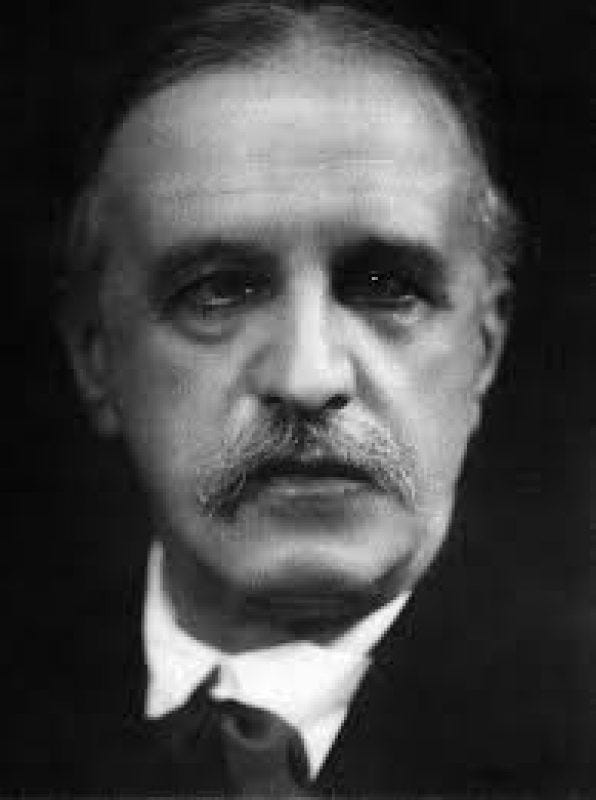
At 2:30, University of Kansas master’s student Max Linares takes the console. Pearson describes him as “remarkable,” both technically and creatively. Linares will perform movements from Louis Vierne’s Sixth Symphony—music that Pearson says is tailor‑made for the Cathedral’s instrument. Vierne, a central figure of the French Romantic organ tradition, appears twice on this year’s program: once in Linares’s solo performance, and again in the festival’s 4:00 p.m. presentation of his Messe Solennelle. “It can go from the subtle to the dramatic,” Pearson said, “a whole sublime spectrum of tonal color.”
Fauré’s “Lullaby of Death”
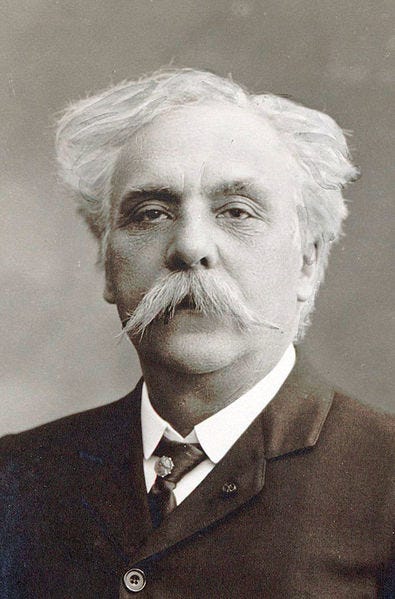
At 3:00, Pearson will conduct the Cathedral Schola and the St. Andrew’s Episcopal Choir in Gabriel Fauré’s beloved Requiem. Father Paul Turner, the Cathedral’s pastor, will be at the organ. Pearson calls the work “a choral gem,” noting its tender musical lines and its emphasis on serenity rather than terror. “Fauré’s Requiem does not include the dramatic parts like the Dies irae that a lot of other Requiems include,” he said. “This is very understated, focusing more on Paradise.”
The Cathedral performs the Requiem annually for its All Souls Mass, and Pearson says its opening gesture never fails to moves him: “It goes from a very dramatic first chord when that D minor chord plays on the organ, and then it brings it down to a piano, and then the choir enters with the Requiem aeternam.”
Alain, Franck, and a Festival Finale
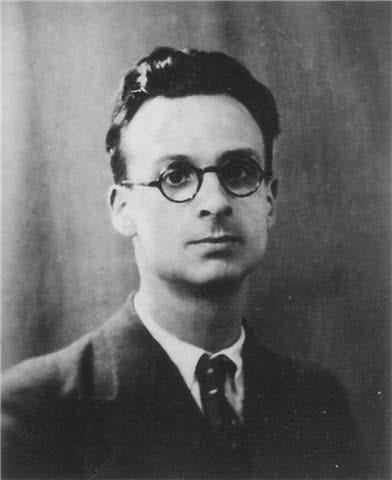
At 3:30, Village Presbyterian organist Elisa Williams Bickers performs works by Jehan Alain and César Franck. Kraybill, a close friend and admirer of Bickers, offered a vivid portrait of Alain, who died at 27 while serving as a motorcycle courier in World War II. “He fought with such honor that after his death, both sides gave him awards for honor,” she said. “To get an award for fighting with honor from your enemy is quite amazing.” His sister, Marie‑Claire Alain, performed in Kansas City several times and taught at KU. She ensured her brother’s music survived.
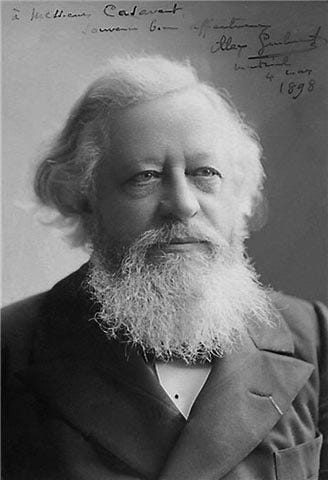
Franck’s Pastorale, dedicated to organ builder Aristide Cavaillé‑Coll, will also resonate beautifully in the Cathedral. Pearson noted that the organ includes digitally sampled Cavaillé‑Coll sounds, allowing performers to evoke the timbres Franck himself knew. “It kind of brings the music closer to what the composers heard when they composed the music,” he said.
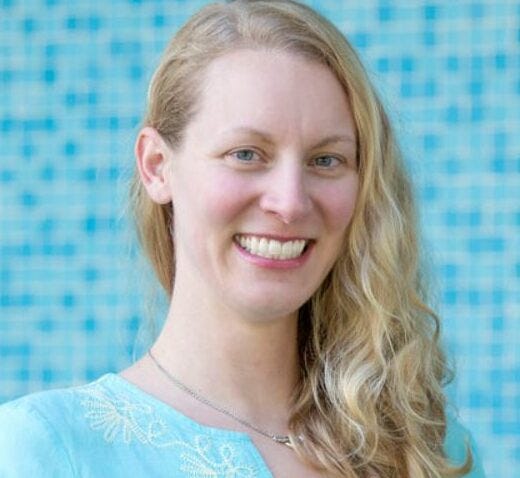
Finally, at 4:00, Kraybill closes the festival—as she has nearly every year— with a showstopper. This year it’s Alexandre Guilmant’s Sonata No. 1. Pearson insisted on the choice after hearing her perform it earlier this year. “It’s like the woman was on fire!” he said. Kraybill describes the sonata as a full‑spectrum work: a dramatic opening featuring the Cathedral’s en chamade trumpets, a luminous middle movement with intertwining oboe and clarinet lines, and a finale designed to “end the festival with a bang.”
Kraybill says she never misses the festival unless she’s out of town. “I love performing, but I also love hearing the creativity and just the beauty, both visually and aurally,” she said. “The beauty of that space is just without question, and it’s such a gift.”
Pearson returns the admiration. “She’s not only one of the finest organists and musicians I’ve ever met,” he said, “but she’s also such a kind and dear friend. For as long as she wants to, and as long as this festival exists, she will always close the program.”
For anyone who thinks organ music isn’t for them, this festival might very well change some minds. Kraybill’s Guilmant and the entire afternoon will demonstrate that French organ music is rich with drama, color, and fire. In the gold‑domed cathedral downtown, it becomes something unforgettable.
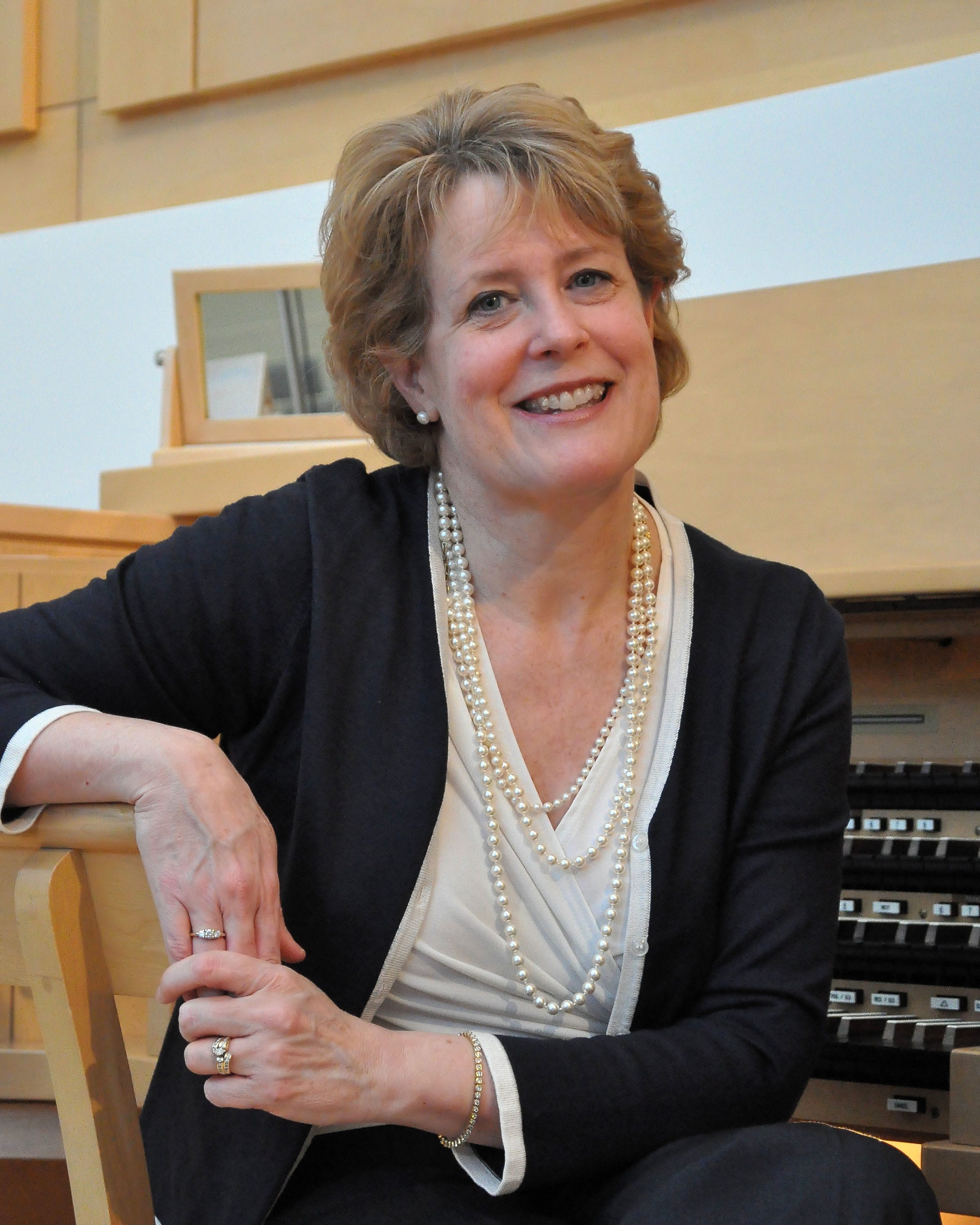
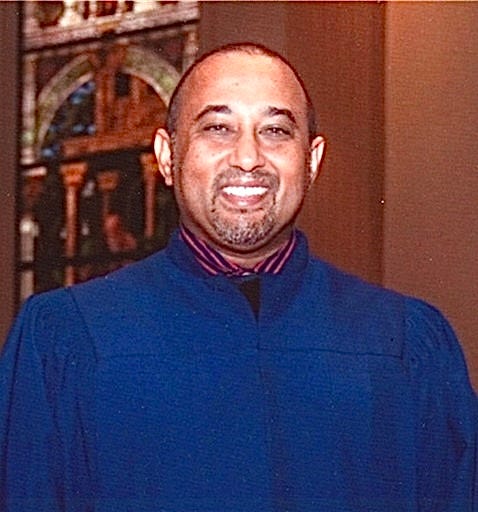
THE FRENCH ORGAN MUSIC FESTIVAL XIV
The festival begins at 2:00 p.m. August 23 at the Cathedral of the Immaculate Conception. Admission is free, and the event will be livestreamed through both the Cathedral’s website and the local AGO chapter. A reception will follow the final performance.
I’m so happy to learn Tournemire will be performed. It’s far to rare to hear his works