

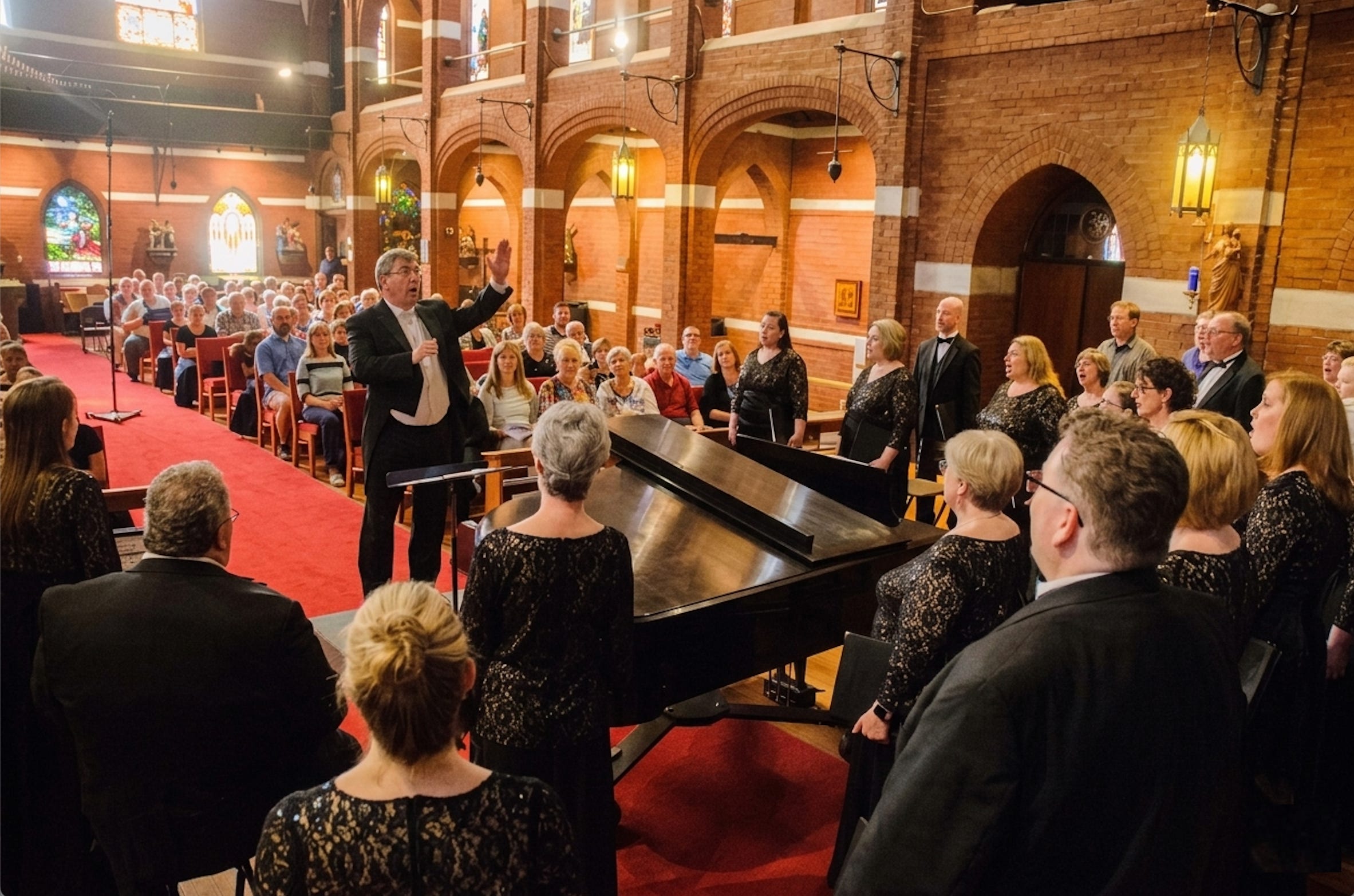
The William Baker Festival Singers return to St. Mary’s Episcopal Church on April 19 at 3:00 PM with their 14th annual Kenneth Babcock Memorial Concert. This year’s program, Masterworks for Brass, Organ and Choir, brings together the Festival Singers’ polished choral sound, the regal sound of the Festival Brass, the resonance of St. Mary’s acoustics and a thoughtful mix of works for chorus, brass, percussion, and organ.
“Ken Babcock was one of the patron saints of the Choral Foundation,” Baker said. “Without his generous support, without his creative input, without his faith in our mission, without his constant, enthusiastic, I dare say fervent, encouragement, the Festival Singers would not be what they are today.”
A Program Built Around Text and Tradition
The afternoon opens with William Mathias’s Let the People Praise Thee, O God, written for the 1981 wedding of Charles and Diana. Baker noted that while the royal marriage didn’t endure, the anthem certainly did.
“The piece has become a staple with finer church choirs and on the concert stage,” Baker said. Associate music director Christine Freeman conducts this bright, ceremonial opener.
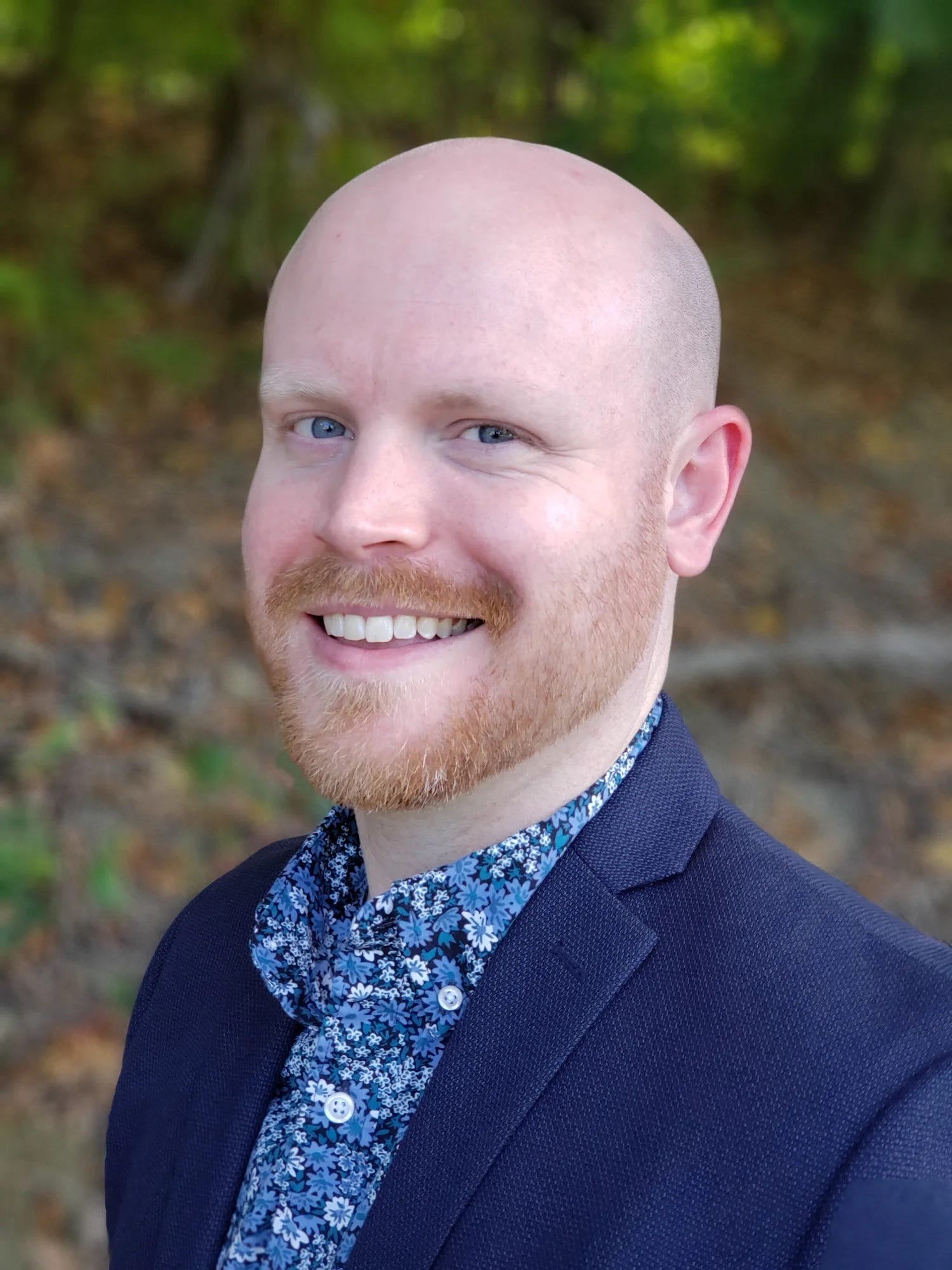
The program then turns to a newer voice: My Shepherd, by composer‑in‑residence Sean Sweeden. Written for the 25th anniversary of the Summer Singers of Kansas City and premiered last fall, it is a bilingual setting in Hebrew and English, drawing primarily from Psalm 23 with additional text from Psalm 150.
“It is a profoundly beautiful setting,” Baker said. “Really lush, rich harmonies in the My Shepherd section and a thrilling ending.”
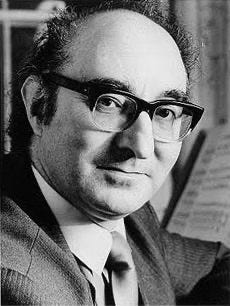
Next comes Zoltán Kodály’s Laudes Organi, a late work by the composer and one Baker has championed for many years.
“It’s a 12th‑century sequence in praise of the organ,” he said. “Kodály set this very unusual poetry in Latin, of course. It was his last major composition, and he did not live to hear the premiere.”
While Kodály’s orchestral works, especially Háry János, are beloved, his choral writing is absolutely beautiful and should be much better known It’s rooted in his lifelong belief that music literacy should be universal, a philosophy that led to the internationally adopted Kodály Method, still foundational in choral training today.
“I would recommend listeners check out his Missa Brevis,” Baker said. “It’s just a profound work. I’ve not done it yet, but one day I will.”
The program then moves to Glenn Rudolph’s The Dream Isaiah Saw, a piece written near the time of the 9/11 attacks and dedicated to those who perished.
“It’s a profound, sweet, and beautiful expression of the desirability of peace, not just peace among nations, but peace in the heart,” Baker said.
Brass, organ, and choir combine in a work that is both reflective and hopeful.
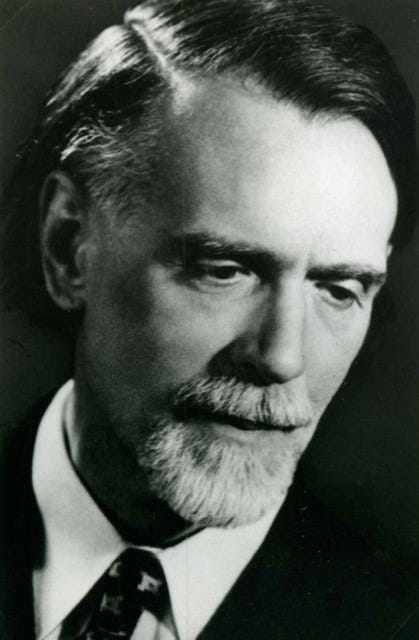
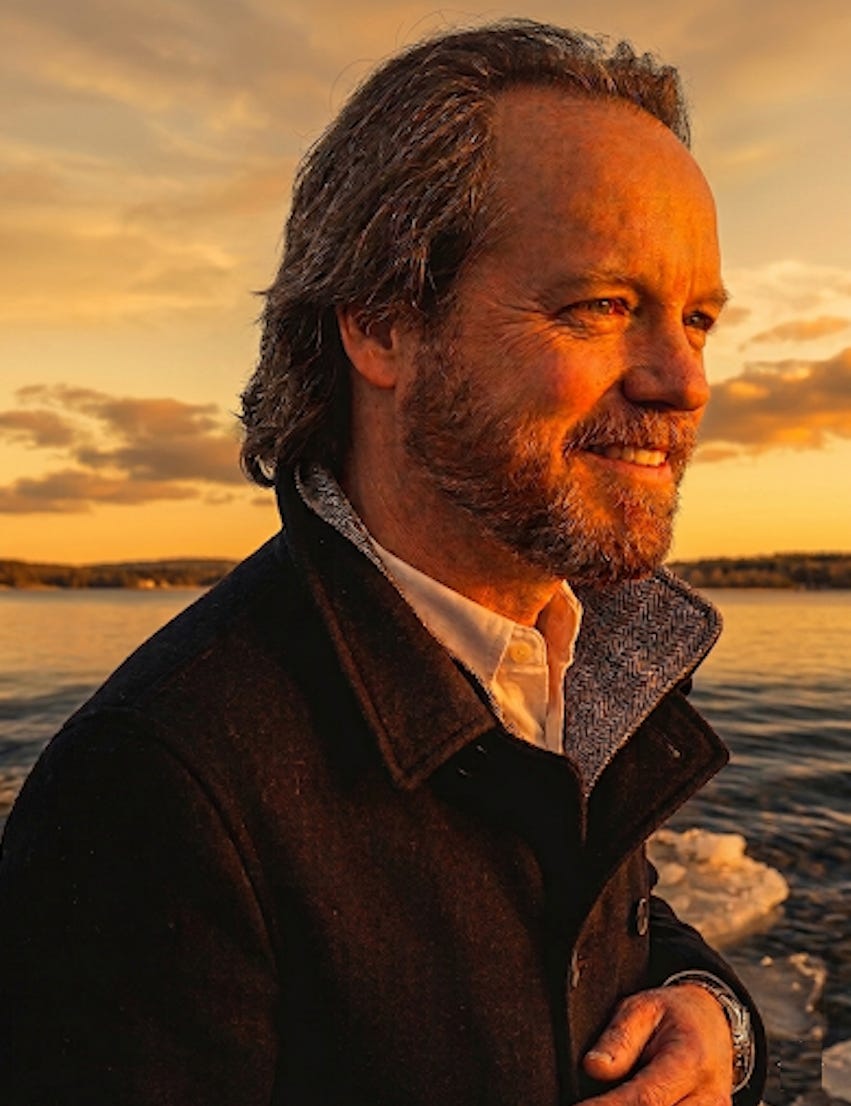
Next is Richard Dirksen’s Christ Our Passover, a festive setting by the former music director of the National Cathedral. Baker first encountered it as a young staff singer at the cathedral and has carried it with him ever since.
“I’ve cherished this piece for a half‑century,” he said. “I’m looking forward to doing it with a fine choir and fine brass and fine organ.”
The concert concludes with John Rutter’s Gloria, one of the composer’s most beloved large‑scale works. It was his first major American commission, a work that helped establish his international reputation.
“It’s festive, cool, rhythmic, and fun,” Baker said. He first conducted the piece at just 23 years old, an early milestone that clearly stayed with him.
Rutter is known worldwide for his radiant Christmas carols—works like The Shepherd’s Pipe Carol, Candlelight Carol, and What Sweeter Music. These pieces have become seasonal staples for choirs across the English‑speaking world, sung so widely and with such affection that many musicians consider him the preeminent carol writer of our age, a composer whose Christmas music has shaped the sound of the modern holiday season.
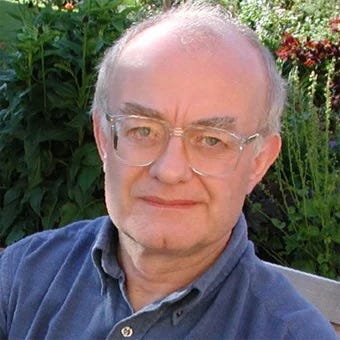
Rutter is also a respected scholar whose editions of Allegri’s Miserere and Fauré’s Requiem are now considered authoritative.
Baker has a personal connection to Rutter’s more contemplative side. “The Festival Singers, our group in Atlanta, was privileged to do the first American recording of the Requiem,” he said. “It has some profound moments.”
Baker’s early connection to Rutter’s music, from conducting the Gloria in his twenties to recording the Requiem, reflects a lifelong commitment to nurturing choral artistry. That same commitment now extends into the Choral Foundation’s weekly podcast, The Choral Director’s Toolbox.
Just as those early Rutter projects helped shape Baker’s musical identity, the podcast allows him to share that experience with a wider community of singers, directors, and choral enthusiasts. Each podcast includes Today’s Topic from Baker or a member of the Choral Foundation faculty; Today’s Question offered from the listeners, and Today’s Inspiration, a choral recording chosen for your enjoyment.
The Choral Director’s Toolbox has been named one of the top 20 singing-oriented podcasts by MillionPodcast.com, rated 11th in the country.
A Space That Enhances Every Note
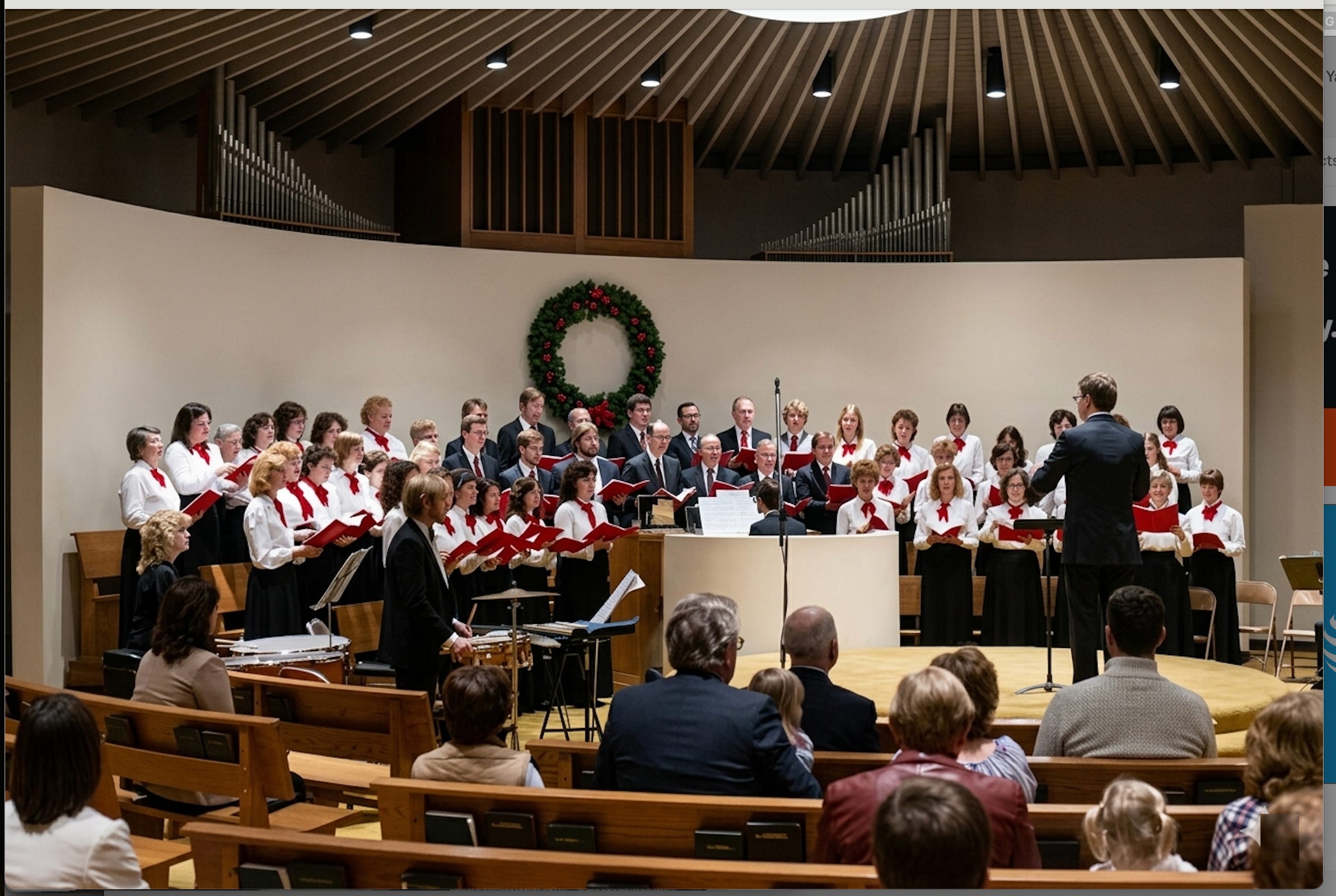
St. Mary’s Episcopal Church carries a deep High Church, Oxford‑Movement lineage, a tradition that took root in Kansas City as early as the 1870s. It is one of Kansas City’s most resonant sacred spaces, with a recently refurbished organ that includes a striking set of en chamade trumpets. At the console will be Jacob Hofeling, whom Baker praised warmly:
“He is one of the most brilliant, gifted, fun‑to‑work‑with, cool human beings, with flaming fingers and flying feet,” he said.
The instrument and the space together create an ideal setting for this repertoire.
Following the concert, guests are invited to stay for wine and cookies. Baker joked about his reputation:
“Some people call me a wine enthusiast. Some people call me the wine hog. But many people call me a wine snob,” he said.
He is bringing two wines he personally selected for the occasion: a French Bordeaux and an Italian Pinot Grigio. The cookies are contributions from his wife, whom he described as “the best cook I’ve ever encountered.”
The program offers a thoughtful blend of the familiar and the new, the festive and the contemplative. It’s a chance to hear brass, organ, and choir in one of the city’s most beautiful and atmospherics spaces, and to honor a figure who helped make the Festival Singers what it is today.
And don’t forget the wine and cookies!