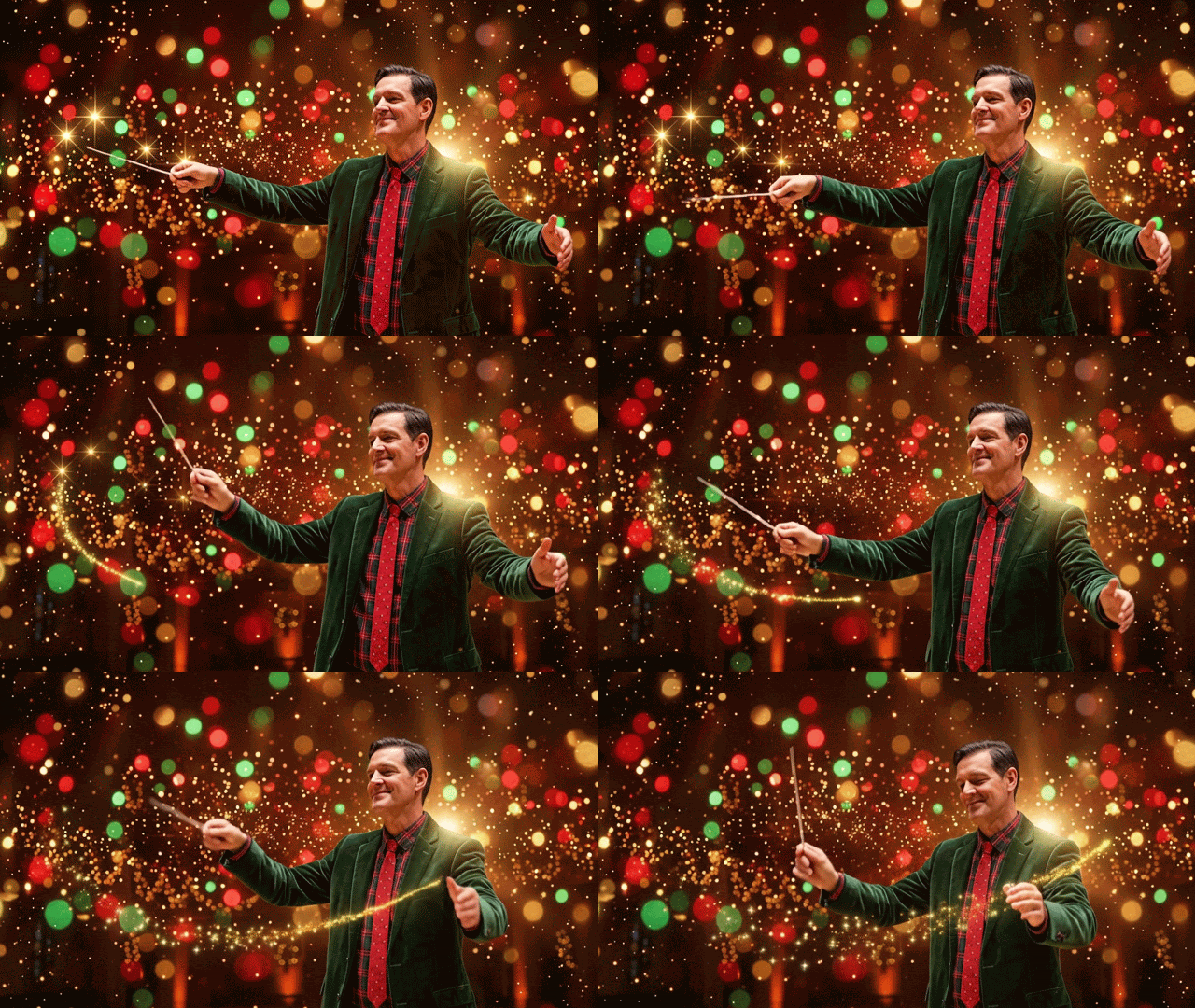
For many Kansas City music lovers, the holiday season does not truly begin until the Kansas City Chamber Orchestra presents its annual December celebration. This year, the orchestra marks its 40th season with Holiday Sparkle, a program of Bach, Corelli, and Handel that promises warmth, energy, and festive brilliance without relying on familiar holiday standards.
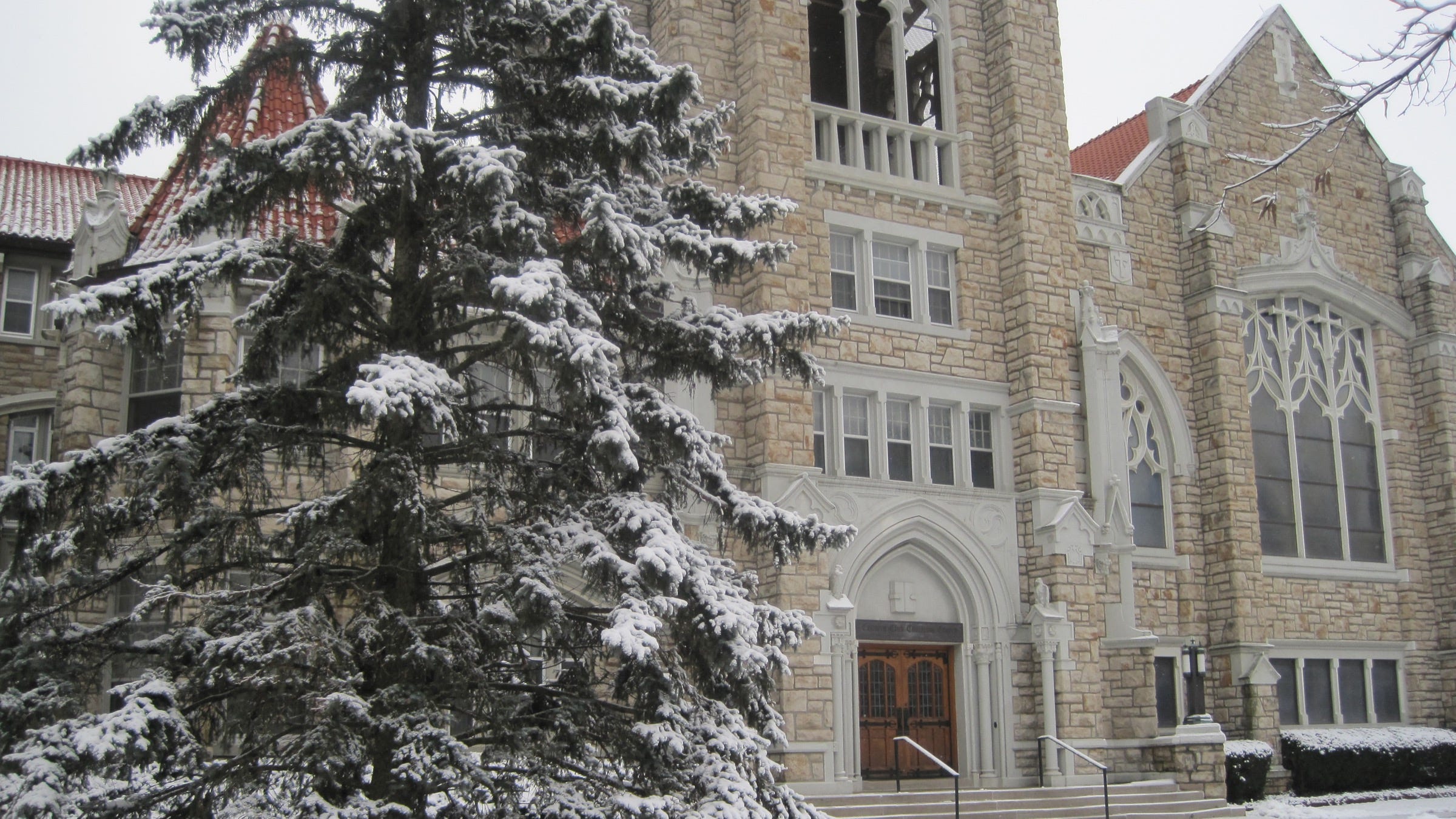
The concert takes place Tuesday, Dec. 1, at 7:30 p.m. at Country Club Christian Church, 6101 Ward Parkway. Music Director Bruce Sorrell will also present a pre-concert talk at 6:30 p.m.
Sorrell noted that the orchestra has long found early December to be an ideal time for its holiday offerings.
“There’s been a sweet spot on a Tuesday night,” he said. “We have found that generally once you hit post-Thanksgiving, people are ready to go out whatever night of the week.”
The timing is practical as well as seasonal. Many of the orchestra’s musicians perform with the Kansas City Symphony and other ensembles during an exceptionally busy December filled with The Nutcracker, Messiah performances, and holiday events across the region. Yet the Tuesday tradition has endured for decades and has become a cherished part of the orchestra’s calendar.
Just as distinctive is the programming itself. Rather than centering the evening around carols and sing-alongs, the Kansas City Chamber Orchestra turns to the rich traditions of the Baroque era.
“I do think people really find that the sound from the Baroque era is both sort of soothing and calming,” Sorrell said, “but it’s also full of energy and vitality and all kinds of wonderful things that really appeal to people.”
The setting is ideally suited to the music. Country Club Christian Church, with its stately architecture and holiday atmosphere, provides an evocative backdrop for a concert steeped in Christmas traditions stretching back more than three centuries.
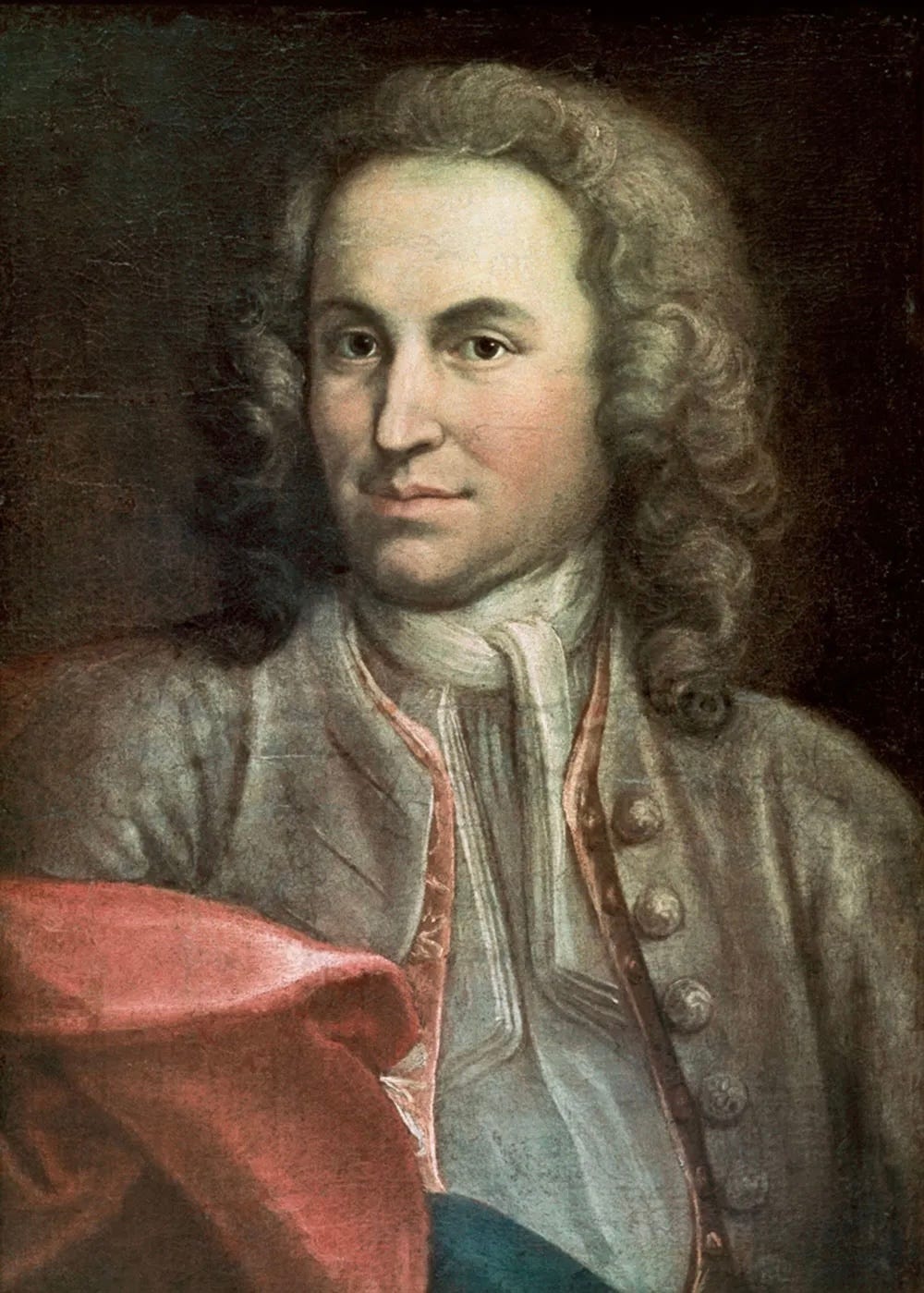
The program opens with Bach’s Concerto for Oboe d’amore, featuring soloist Margaret Marco. The oboe d’amore, a slightly larger and lower-pitched cousin of the modern oboe, possesses a mellow, expressive sound that Bach particularly favored.
“Margaret Marco has become a sort of an aficionado of playing the oboe d’amore,” Sorrell said. “It’s truly a wonderful work.”
The conductor is especially fascinated by the concerto’s history. Like several Bach concertos, it has been reconstructed from a later harpsichord version.
“Here’s one of the greatest composers of Western music,” Sorrell said. “You think about him playing in a coffeehouse.”
That connection to Bach’s life in Leipzig offers a reminder that even towering musical geniuses often adapted their own works to meet immediate practical needs. Yet audiences need not concern themselves with musicological questions to enjoy the concerto’s appeal. Sorrell describes its central slow movement as especially beautiful, framed by energetic outer movements filled with dance rhythms and vitality.
“These are very life-giving concertos,” he said.
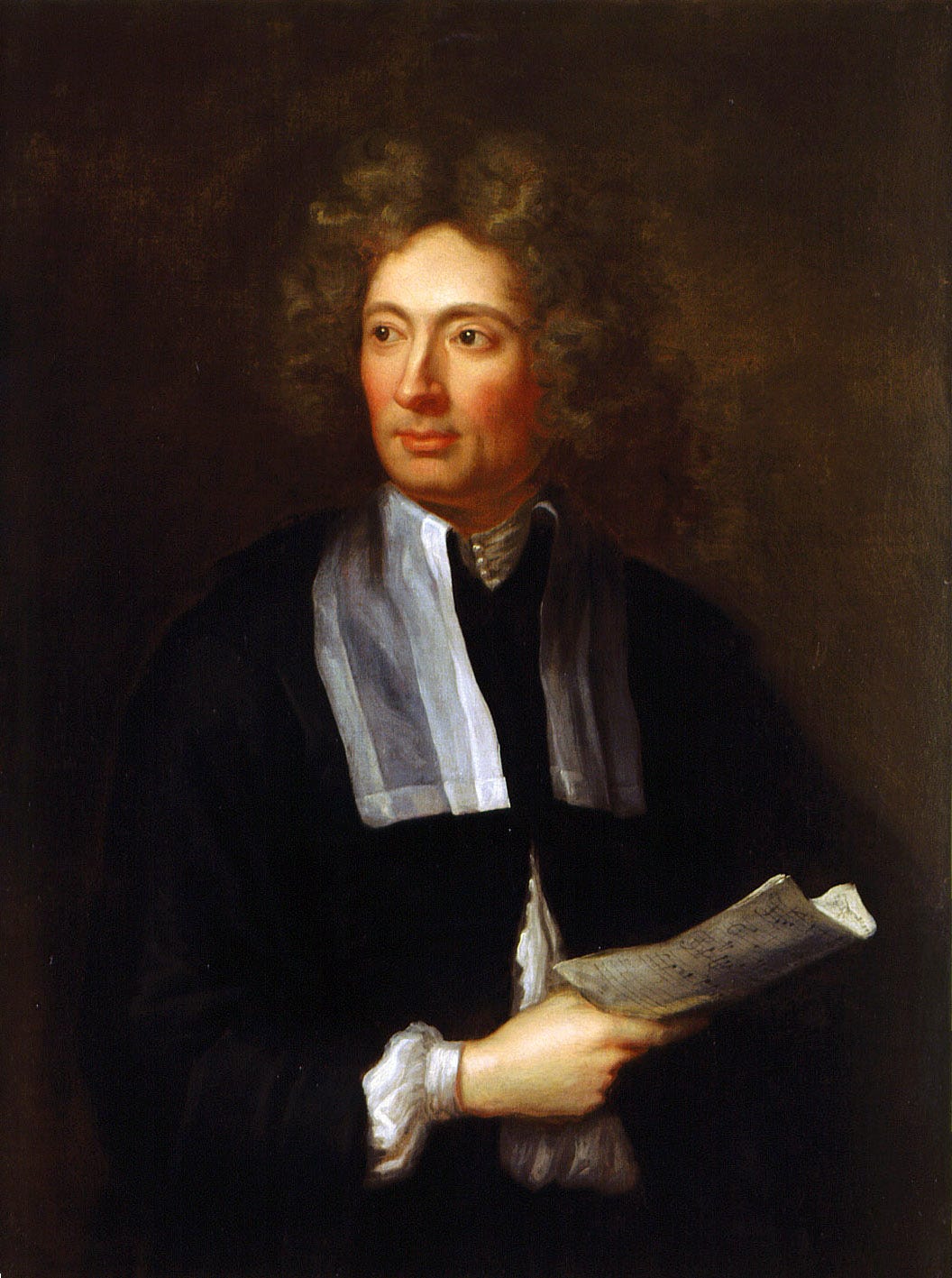
The first half continues with one of the season’s most beloved Baroque works, Arcangelo Corelli’s Christmas Concerto. Built around the contrast between a small group of soloists and the larger string ensemble, the concerto combines elegance, intimacy, and festive spirit.
Sorrell explained that the work derives its Christmas association primarily from its final pastoral movement, which evokes the shepherds who receive news of Christ’s birth.
“It comes to this very calming pastoral movement at the end of the piece to set the stage for the visit by the shepherds to the cradle and the birth of Christ,” he said. “So it’s really quite lovely, and it’s famous for that reason.”
Listeners may also notice musical effects that imitate the rustic instruments traditionally associated with shepherds, including drone-like accompaniments reminiscent of folk bagpipes. The result is music that bridges sacred narrative and everyday life, creating an atmosphere of peace and contemplation.
Closing the first half is Bach’s Orchestral Suite No. 4, presented in a version that omits the trumpets and timpani often associated with the work. Sorrell was surprised to discover that the orchestra had performed the suite only once before, back in 1989.
“I was sort of stunned that we’d only played it one other time in our 40-year history,” he said.
Research into the score led Sorrell down a fascinating path, including connections between the suite and Bach’s Christmas Cantata BWV 110. The discoveries only deepened his affection for the piece.
“It’s just the jolliest thing ever, honestly,” he said.
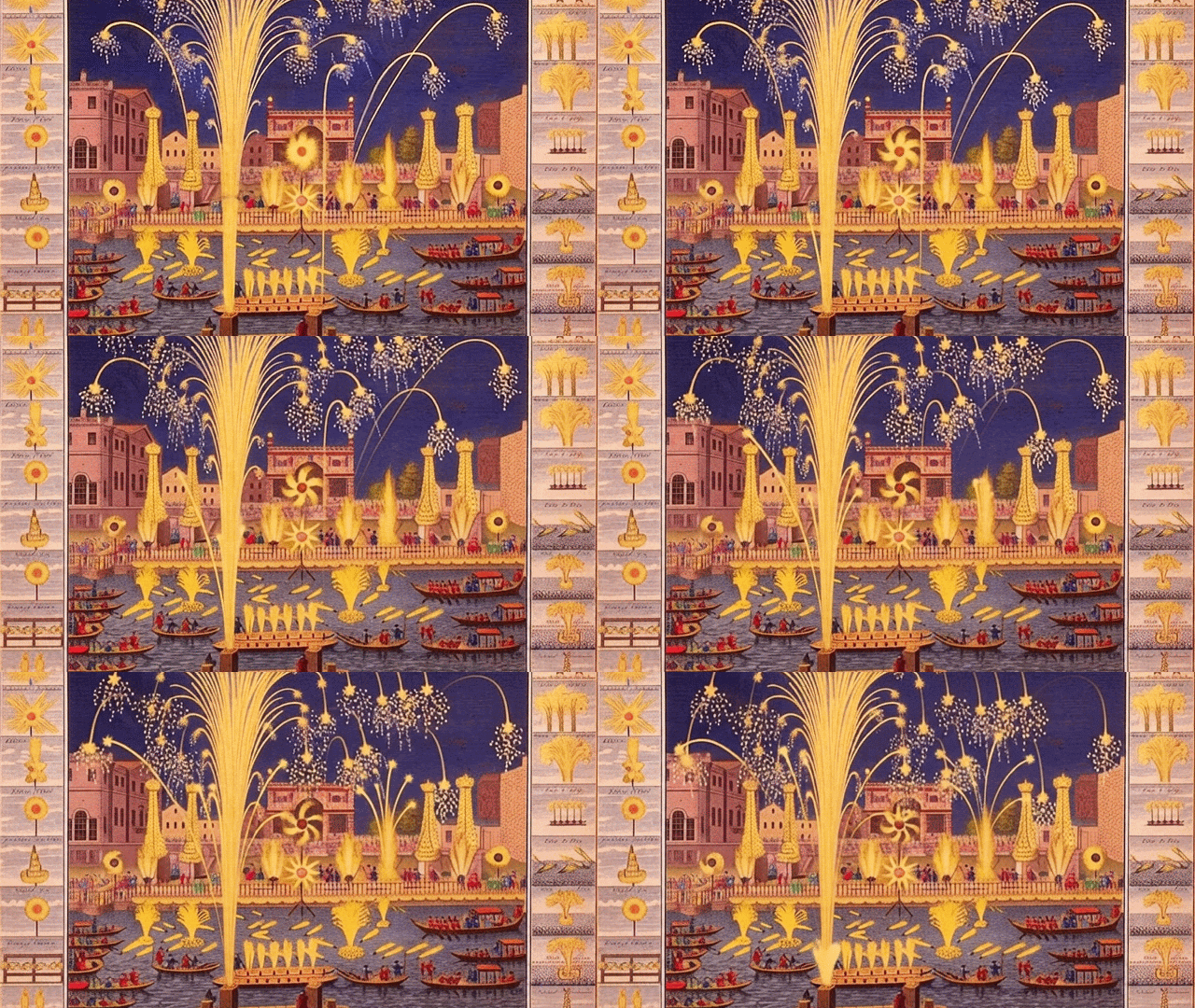
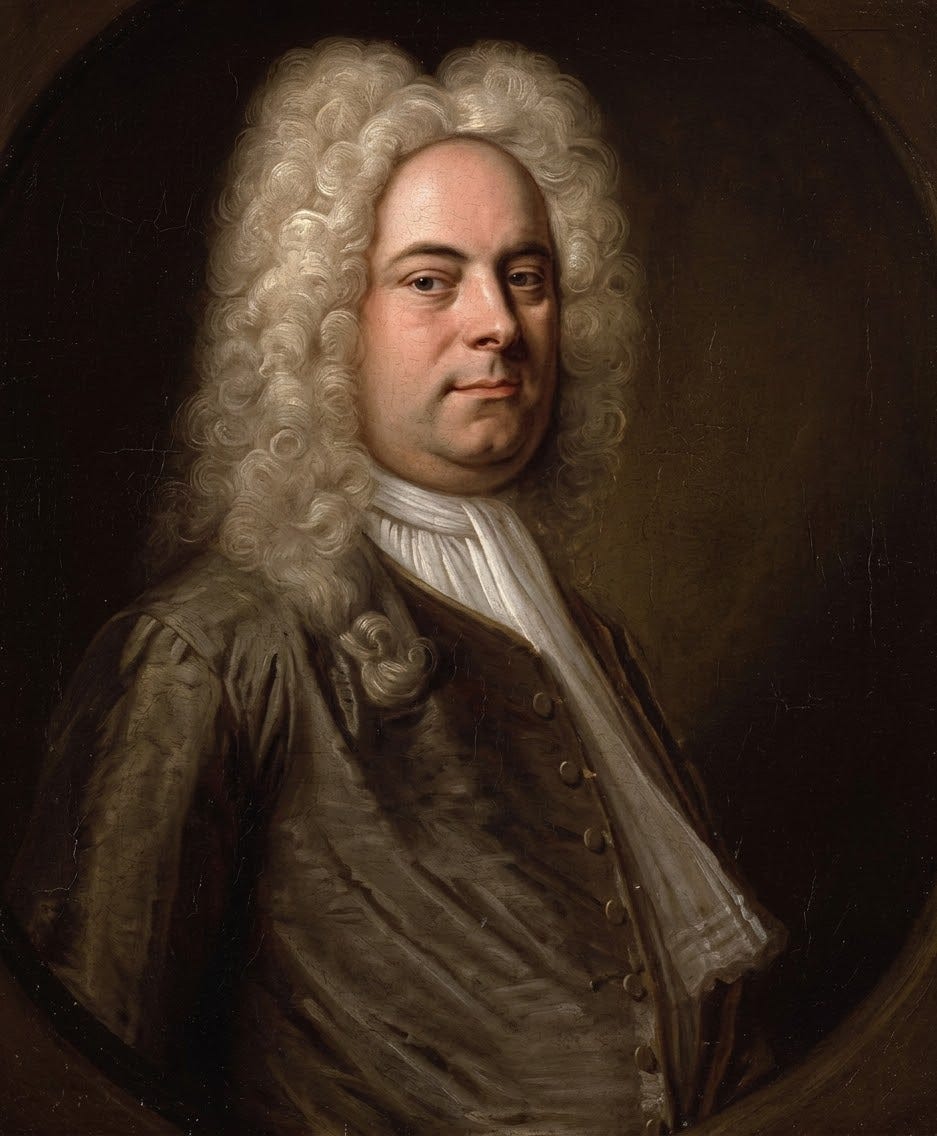
After intermission comes Handel’s exuberant Music for the Royal Fireworks, one of the most celebratory works in the orchestral repertoire.
“I really would like something that feels really festive for this year and this holiday season,” Sorrell said. “I really couldn’t think of anything that I thought of that has the energy and power that this music has.”
The work was commissioned by King George II to celebrate the Treaty of Aix-la-Chapelle. This event in London featured a massive wooden "Temple of Peace" pavilion, which infamously caught fire mid-show. Sorrell delights in recounting the colorful history surrounding the premiere, including reports of massive crowds and legendary traffic congestion caused by eager listeners traveling to hear Handel’s music.
“There was such a pack of people who came to the rehearsal that London Bridge was a major traffic jam for three hours,” he said. “If you don’t like your own morning commute, you can think back to people wanting to hear Handel’s Fireworks Music.”
The popularity of Handel’s music in 18th-century London speaks to a larger theme running through the concert. While Baroque music certainly contains moments of profound seriousness and reflection, it is equally capable of conveying joy, celebration, and communal energy.
“So much of it is dance-influenced or taken from the dance,” Sorrell said. “I think it’s hard to dampen down the actual physicality of the way the music feels in your body, and I think that brings a lot of joy to it.”
That sense of joy is exactly what Sorrell hopes audiences will take away from Holiday Sparkle.
“I hope so,” he said, speaking of the program’s festive spirit. “That’s the way it feels to me. I’m really looking forward to it. I really am.”
For those seeking a holiday concert that offers both elegance and exuberance, Holiday Sparkle may provide the perfect seasonal escape: shepherds and angels, Bach and Handel, intimate beauty and festive brass, all performed by one of Kansas City’s enduring musical treasures.
Kansas City Chamber Orchestra Presents
HOLIDAY SPARKLE
Tuesday, Dec. 1, 7:30 p.m.
Pre-concert talk: 6:30 p.m.
Country Club Christian Church, 6101 Ward Parkway
For tickets and more information, www.kcchamberorchestra.org or call : 816-960-1324.