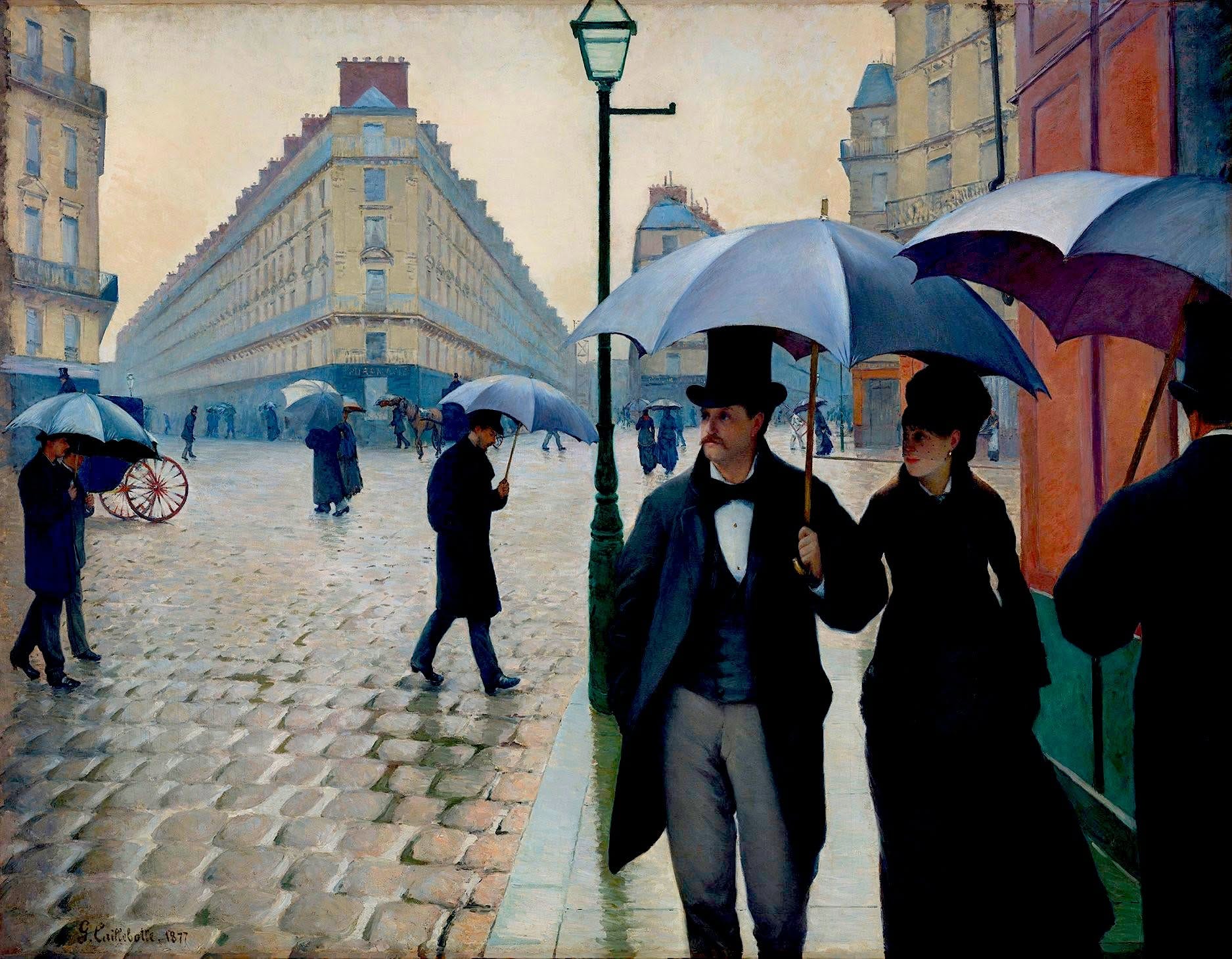
Gustave Caillebotte was a French painter, collector, and key patron of the Impressionists whose own work blended Realism and Impressionism with a strikingly modern eye. Born into a wealthy Parisian family, he used his financial independence to paint without commercial pressure, producing rigorously observed scenes of Haussmann-era Paris such as Paris Street; Rainy Day, works noted for their bold perspective and psychological atmosphere. He became a central organizer and funder of the Impressionist exhibitions, purchasing and preserving major works by Monet, Renoir, Degas, Pissarro, and others; his posthumous bequest to the French state helped establish the national Impressionist collection. Long overshadowed by his role as a benefactor, Caillebotte’s own innovative, quietly radical paintings were rediscovered in the late 20th century and are now recognized as essential to the story of modern art.
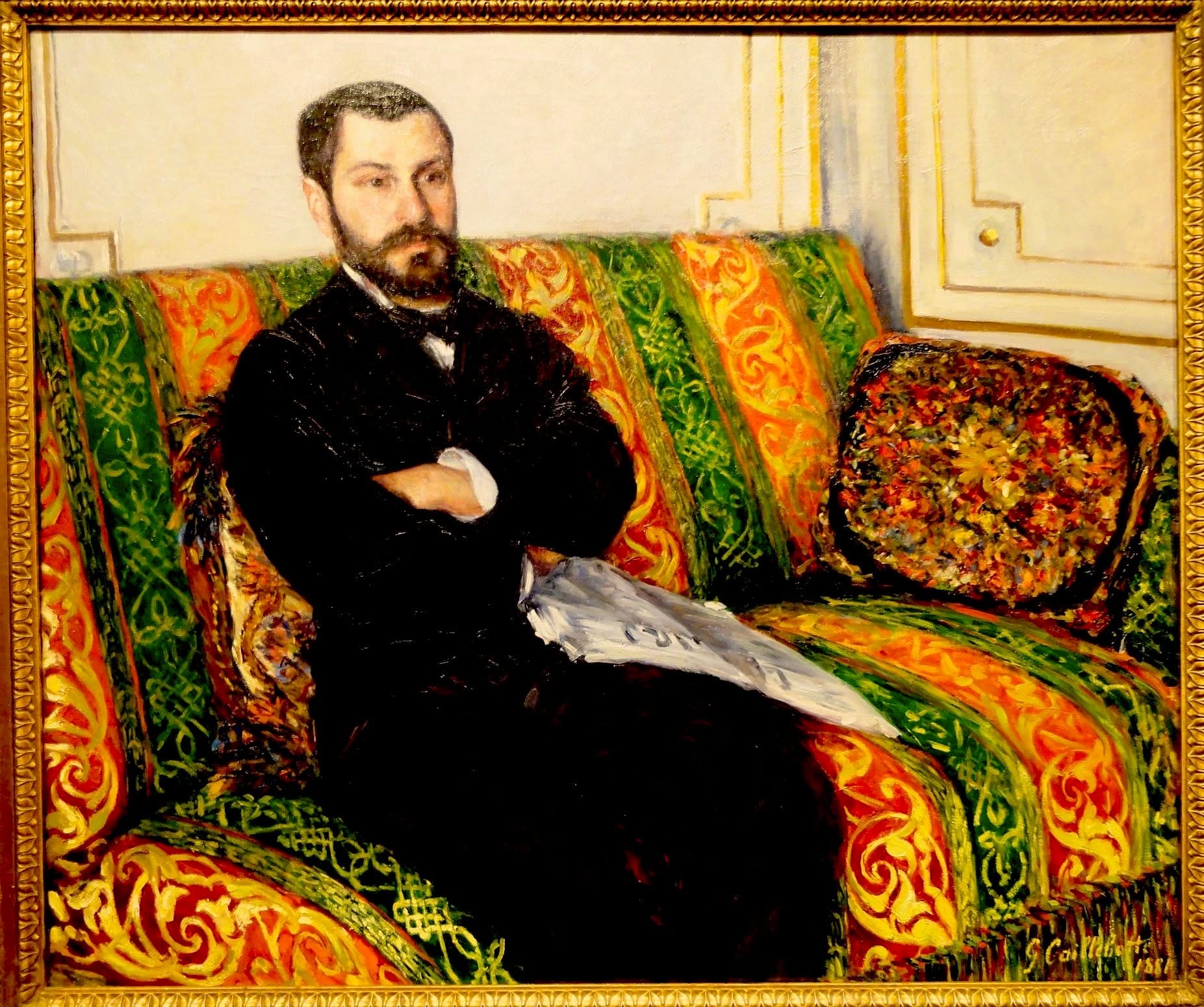
Caillebotte’s Portrait of Richard Gallo (1881) is one of the quiet anchors of the Nelson-Atkins Museum’s Impressionist holdings—a work that shows how confidently Caillebotte could fuse modern realism with the looser, atmospheric touch of Impressionism. Gallo, a close friend of the artist, sits poised yet informal, his crisp attire against the beautifully patterned sofa and pillow, captures the Impressionists’ fascination with contemporary life. For the Nelson, the painting is important not just as a strong example of Caillebotte’s portraiture but as a bridge within the collection between Impressionism and Post-Impressionism.