This preview brought to you by The Midwest Trust Center
Kansas City has no shortage of opportunities to see The Nutcracker during the holiday season. Snowflakes swirl, Sugar Plum Fairies dance, and Tchaikovsky’s beloved score fills the air. But audiences looking for something delightfully stranger, darker, and more imaginative may want to make a date with Owen/Cox Dance Group’s The Nutcracker and the Mouse King.
Presented by Midwest Trust Center on Saturday, December 13, with performances at 2 p.m. and 7:30 p.m., this long-running Kansas City favorite combines contemporary dance, inventive live music, theatrical storytelling, and a healthy dose of the bizarre spirit found in E.T.A. Hoffmann’s original tale.
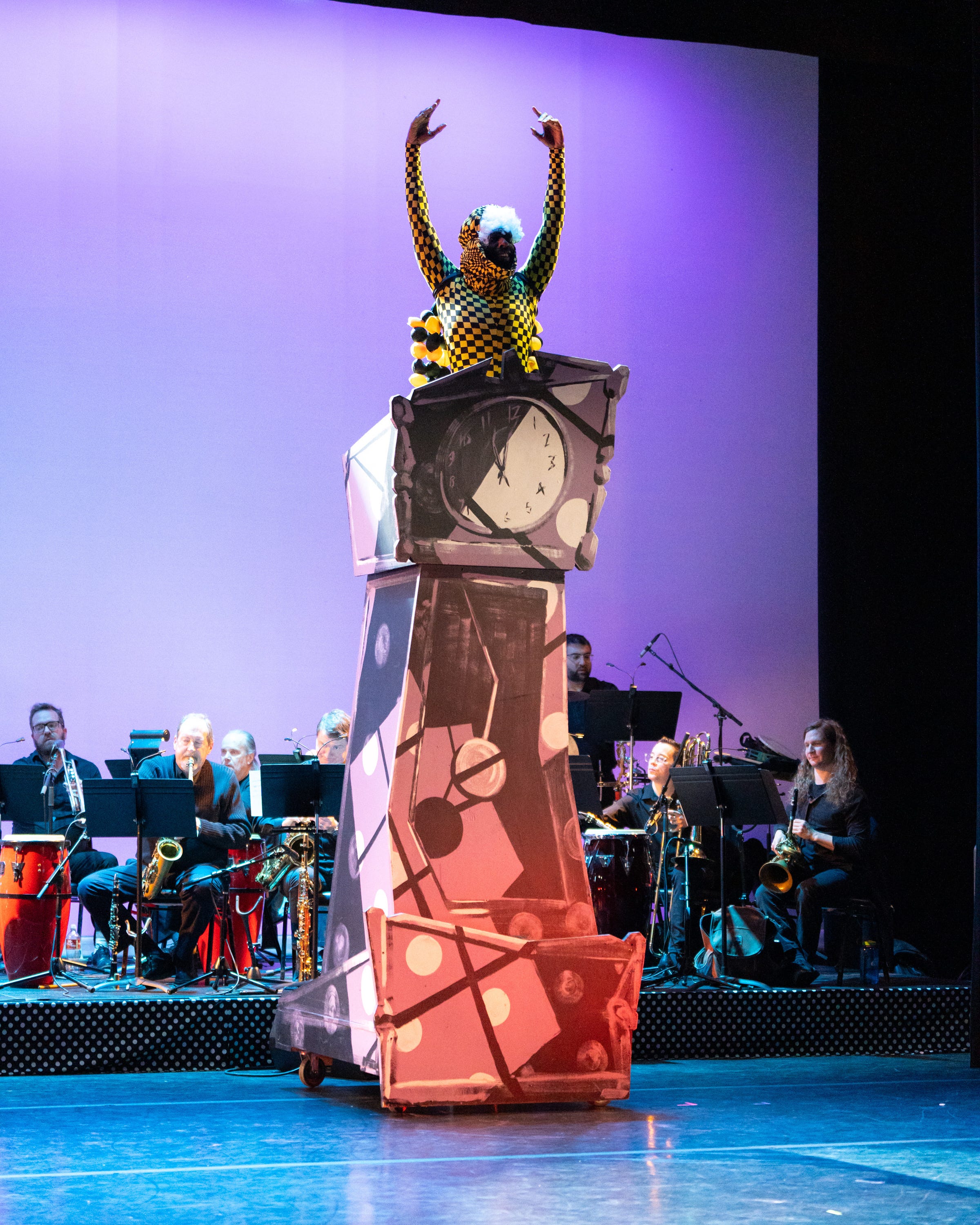
The production reunites Owen/Cox Dance Group with The People’s Liberation Big Band, whose wildly inventive reimagining of Tchaikovsky’s score serves as the foundation for the entire evening. What emerges is neither parody nor traditional ballet. Instead, it is a loving reinvention that honors the familiar melodies while taking audiences someplace entirely unexpected.
“It was just mind-blowing,” said co-founder Jennifer Owen, recalling the first time she heard The People’s Liberation Big Band’s concert version of the work. “It was so inventive and fun.”
The music came first. Before there was a dance production, bandleader Brad Cox and his ensemble had already begun exploring new possibilities hidden inside Tchaikovsky’s famous score. The dance version followed in 2009, and it has continued evolving ever since.
“We were just trying to take some of those great, memorable Tchaikovsky melodies and have a lot of fun with them,” Cox said.
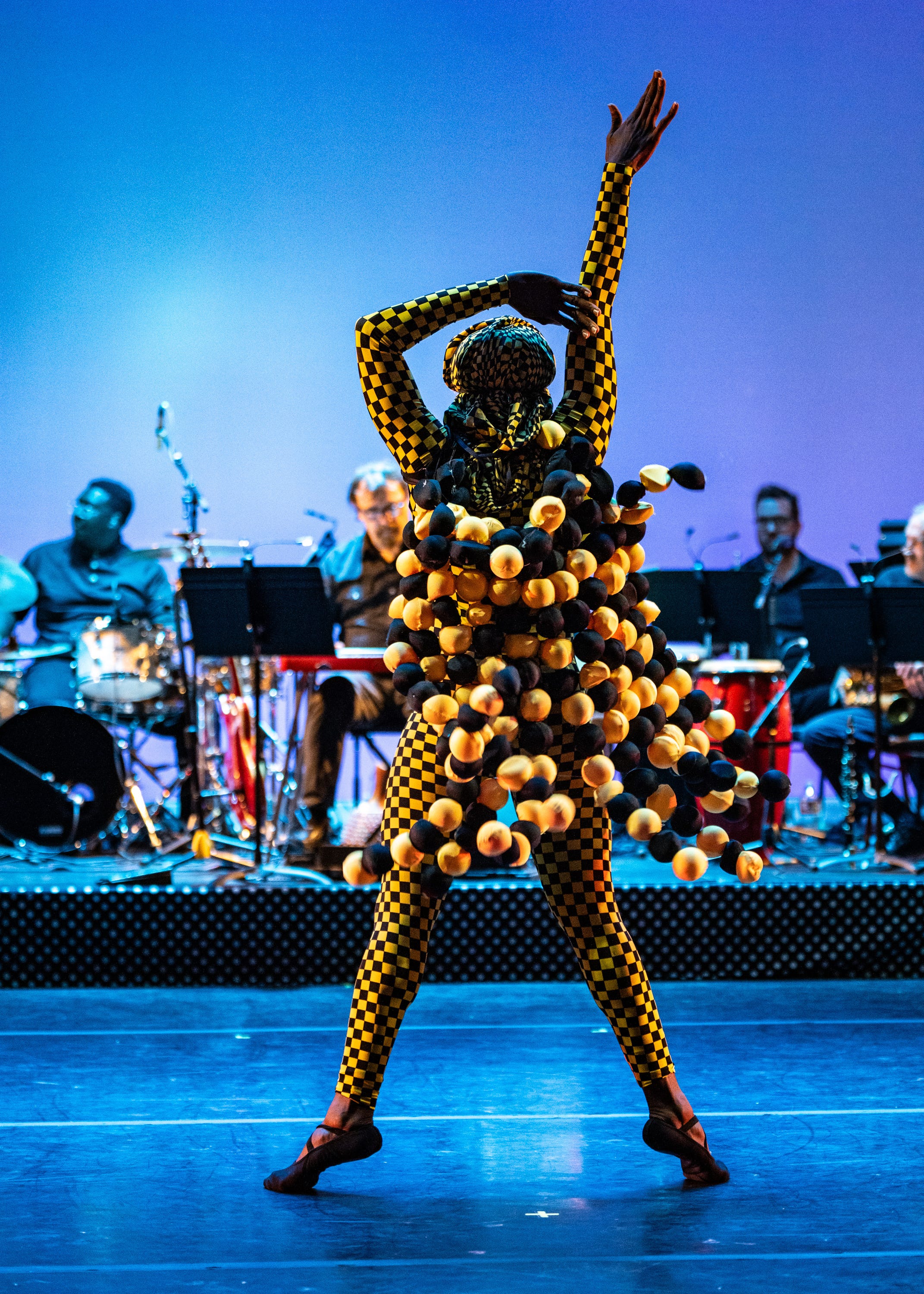
That fun extends far beyond standard orchestral colors. The 16-member ensemble includes traditional big-band elements such as saxophones, trombones, trumpet, and rhythm section, but also introduces unexpected timbres. Steel guitar, played by Mike Stover, shares space with unusual percussion and a collection of musical surprises that constantly reshape listeners’ expectations.
Several arrangers contributed to the score, including Cox, Forrest Stewart, Patrick Alonzo Conway, and Jeff Harshbarger. The result is a musical landscape that simultaneously celebrates and transforms the original.
For audiences familiar with The Nutcracker, part of the pleasure comes from recognizing melodies that suddenly emerge from completely different musical contexts.
“Sometimes you don’t really realize what’s happening until the melody comes in,” Owen said. “It’s like, ‘Oh, that was hidden in there!’”
Just as the music departs from convention, so does the storytelling.
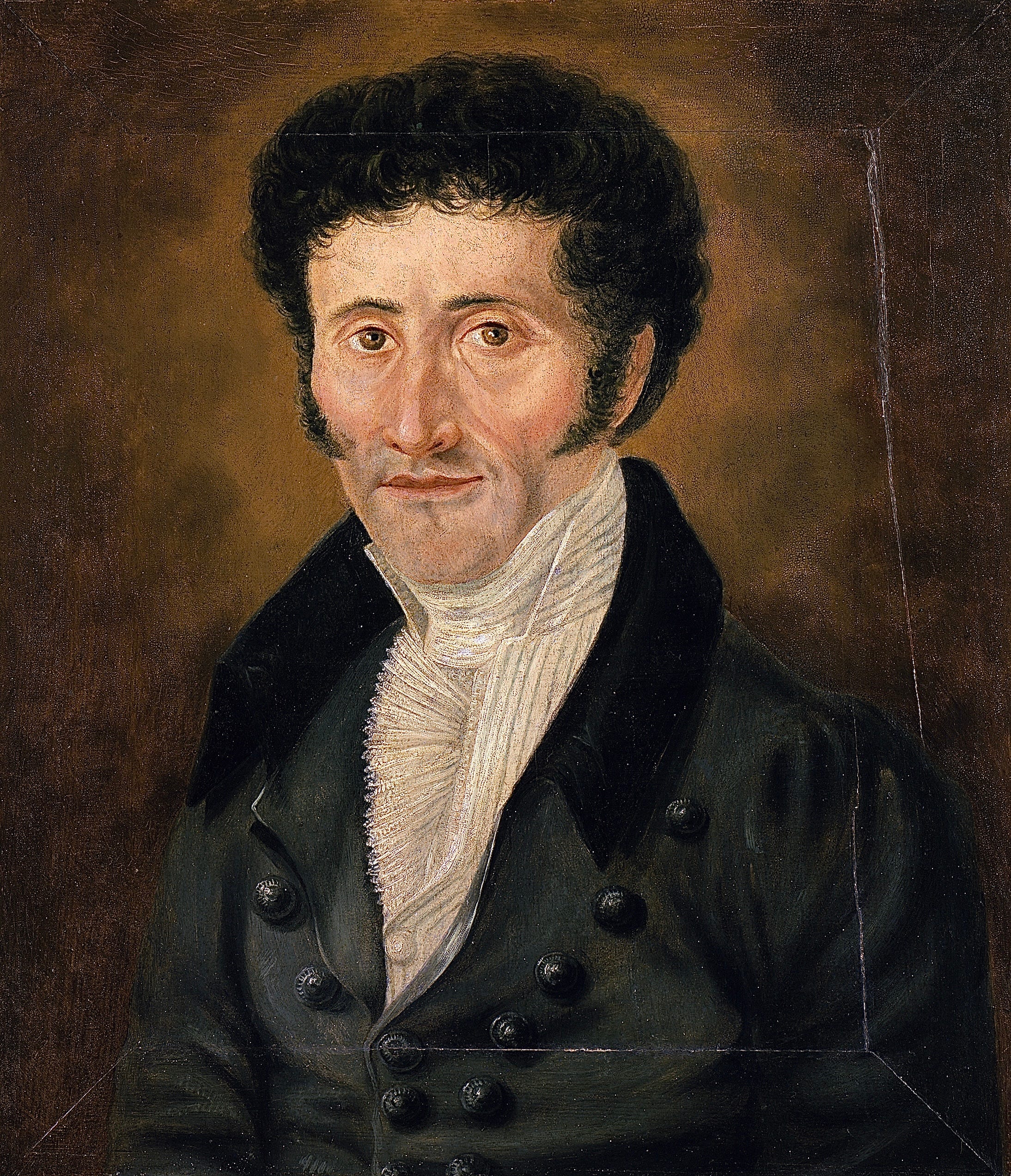
Rather than relying primarily on the sweeter, more family-friendly narrative popularized through Alexandre Dumas and later adapted by Tchaikovsky, Owen and Cox draw inspiration from Hoffmann’s original 1816 story, a work filled with oddities, grotesque imagery, dark humor, and dreamlike transformations.
“It’s a bizarre story,” Cox said. “In literature, they refer to that style as the grotesque, meaning that things are really out of proportion with one another.”
One major influence comes from “The Story of the Hard Nut,” a substantial section of Hoffmann’s original text that explains the Nutcracker’s curse. While absent from the familiar ballet version, its strange spirit informs Owen/Cox’s theatrical approach.
The production even features a narrator to help guide audiences through Hoffmann’s eccentric world.
That embrace of the weird is one reason the work has developed such a loyal following over the years. Although undeniably experimental, it remains remarkably accessible.
“I think kids kind of latch onto it,” Cox said. “They know that there’s something going on that’s pushing the boundaries, but it’s not so bizarre to them that they can’t understand it.”
In fact, both artists noted that younger audiences often respond enthusiastically to the production’s absurd and playful elements.
“We underestimate kids sometimes,” Cox said. “They get a lot more than adults give them credit for.”
Visually, the production is just as distinctive as its music. The choreography, originally created by Owen and continually refreshed through collaboration with the dancers, emphasizes character, theatricality, and musical interpretation rather than strict adherence to classical ballet vocabulary.
Over the years, performers have contributed their own ideas and interpretations, helping keep the work fresh while deepening its connection to the score.
“It’s a group effort,” Owen said. “The music was the guide.”
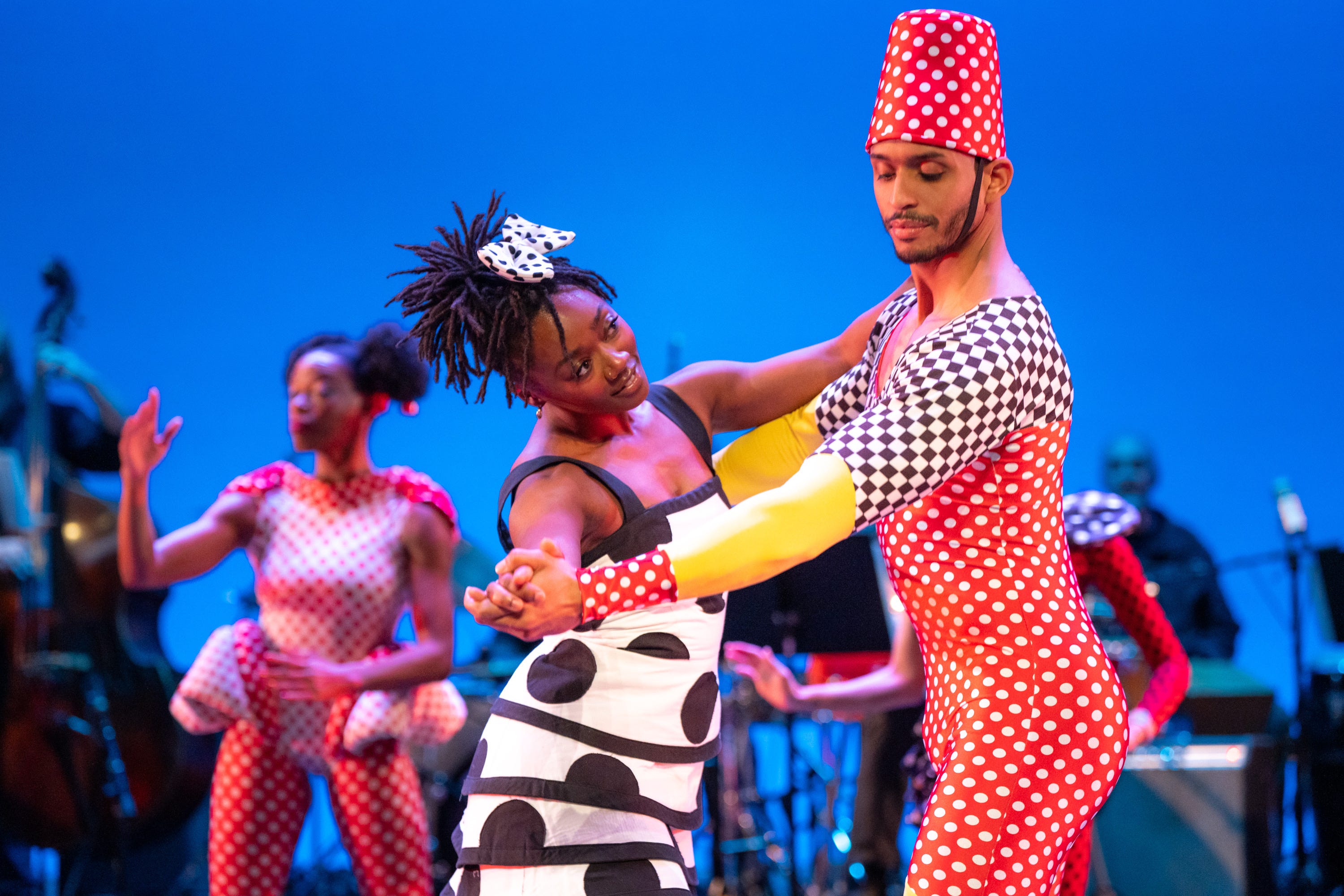
This year’s cast includes nine professional dancers as well as six young performers from Kansas City Friends of Alvin Ailey’s The Group. The partnership allows young dancers to perform alongside seasoned professionals while adding another layer of community collaboration to the event.
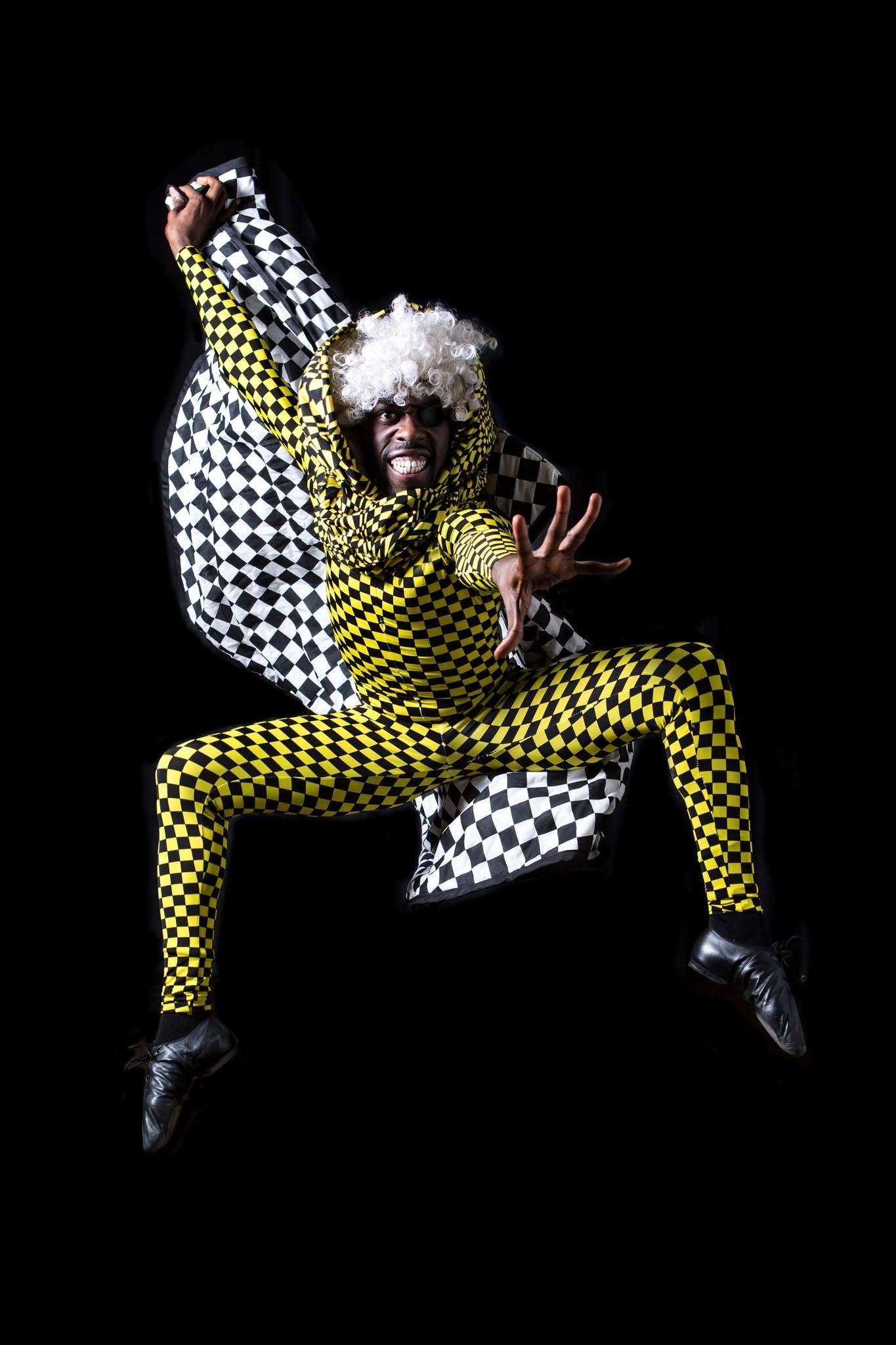
The production’s memorable visual identity also owes much to costume designer Peggy Noland, whose striking original designs remain central to the show. Though some pieces have been rebuilt over the years, the bold aesthetic has remained largely unchanged since the premiere.
Asked to choose a favorite moment in the production, Owen immediately pointed to the Snow Scene.
“The music for that is so great,” she said.
The sequence features the full cast along with young vocalists who provide the choral accompaniment. While there is no literal snowfall onstage, glittering costume elements create an atmosphere of enchantment.
“It represents the piece as a whole,” Owen said. “This sense of wonder and joy. Things are a little bit scary and raucous, but ultimately things come together in a beautiful way.”
For Cox, one highlight is the Dance of the Sugar Plum Fairy, which incorporates toy piano and electronic keyboard effects that can change from performance to performance.
“I never know quite what’s going to happen when I twist the dials,” he said with a laugh.
Part holiday celebration, part fantasy, and part artistic experiment, The Nutcracker and the Mouse King occupies a unique place in Kansas City’s seasonal arts landscape. It offers enough references and musical wit to delight longtime Nutcracker veterans, while remaining welcoming to newcomers and children encountering the story for the first time.
There is something particularly fitting about revisiting Hoffmann’s darker imagination during the holidays. Long before Christmas became associated exclusively with sweetness and nostalgia, the season also embraced ghost stories, mysteries, and the uncanny. Owen/Cox’s production reconnects audiences to that tradition without losing sight of wonder, humor, or joy.
For those who believe they already know The Nutcracker by heart, this production offers a reminder that there are still surprises hidden inside Tchaikovsky’s familiar melodies and Hoffmann’s strange dreamscape.
Owen/Cox Dance Group and
The People’s Liberation Big Band Present
The Nutcracker and the Mouse King
Saturday, Dec. 13, at 2 p.m. and 7:30 p.m. at the Midwest Trust Center, 12345 College Blvd.
For tickets and more information, Midwest Trust Center.