

This Preview brought you by Re:Sound.
For many concertgoers, choral music arrives in familiar settings: churches, concert halls and recital spaces designed to showcase the beauty of the human voice. Kansas City’s Re:Sound Ensemble has other ideas.
On Oct. 30, they will present Echoes in the Walls at the historic Belvoir Winery and Inn in Liberty, transforming a choral performance into something closer to immersive theater. Part concert, part narrative experience and part exploration of place, the evening promises mystery, atmosphere and storytelling, all carried by a chamber choir of 24 professional singers gathered from across the country.
Yet Artistic Director Dr. Joshua Oppenheim is quick to point out that Re:Sound’s productions are not simply concerts with added effects.
“I would say that the purpose of Re:Sound is to have a choral concert, but they’re not really concerts,” Oppenheim said. “They’re more experiences.”
That philosophy has guided the organization from its founding. Oppenheim spent decades in higher education and the choral world before launching Re:Sound, a project he describes as nearly 30 years in the making. Inspired by professional vocal ensembles such as Chanticleer, he envisioned creating performances that would maintain the highest musical standards while welcoming people who might never otherwise attend a choral event.
“I really was hoping to find a way to create something that would be serving the audience that is a choral music lover or classical music lover,” he said, “but also to really lower the barrier of entry for someone that may not have been to a choir concert before or a classical-style music concert.”


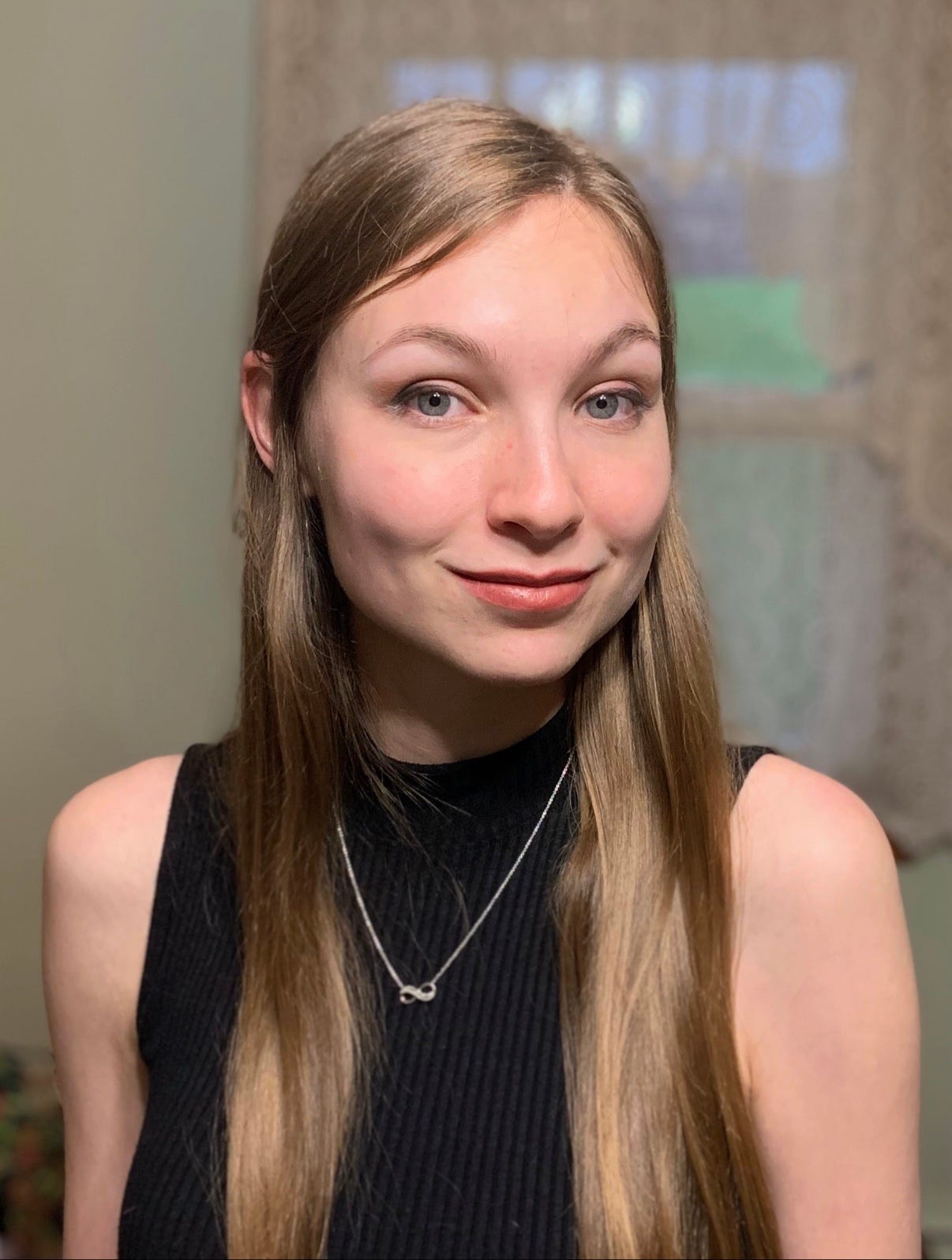
Rather than relying solely on musical expertise as an entry point, Resound builds each production around a narrative. Actors or narrators guide audiences through an unfolding story while the music functions as an equal dramatic partner. For Echoes in the Walls, Samantha Georgiana is The Narrator.
“The lyrics are doing just as much as the actors are in telling the story,” Oppenheim said.
The result, he said, is closer to a film than a traditional concert. Audiences may not recognize every technical detail or musical reference, but they can follow the emotional and dramatic arc.
“It’s sort of like movies in a way, too,” he said. “Anybody can come.”
That concept has already attracted listeners ranging from devoted choral enthusiasts to first-time concertgoers. According to Oppenheim, even experienced singers frequently leave surprised by what they’ve encountered.
“People that are choir people have never been to a concert like it,” he said.
For Echoes in the Walls, the setting itself became the starting point.
When Re:Sound was first exploring performance locations, Oppenheim and his colleagues deliberately sought unconventional venues. Churches and concert halls offer excellent acoustics, but he wanted spaces that could become part of the storytelling itself.
The ensemble booked Belvoir Winery and Inn nearly a year and a half ago, long before the final concept had taken shape. Over time, the site’s distinctive history began to suggest possibilities.
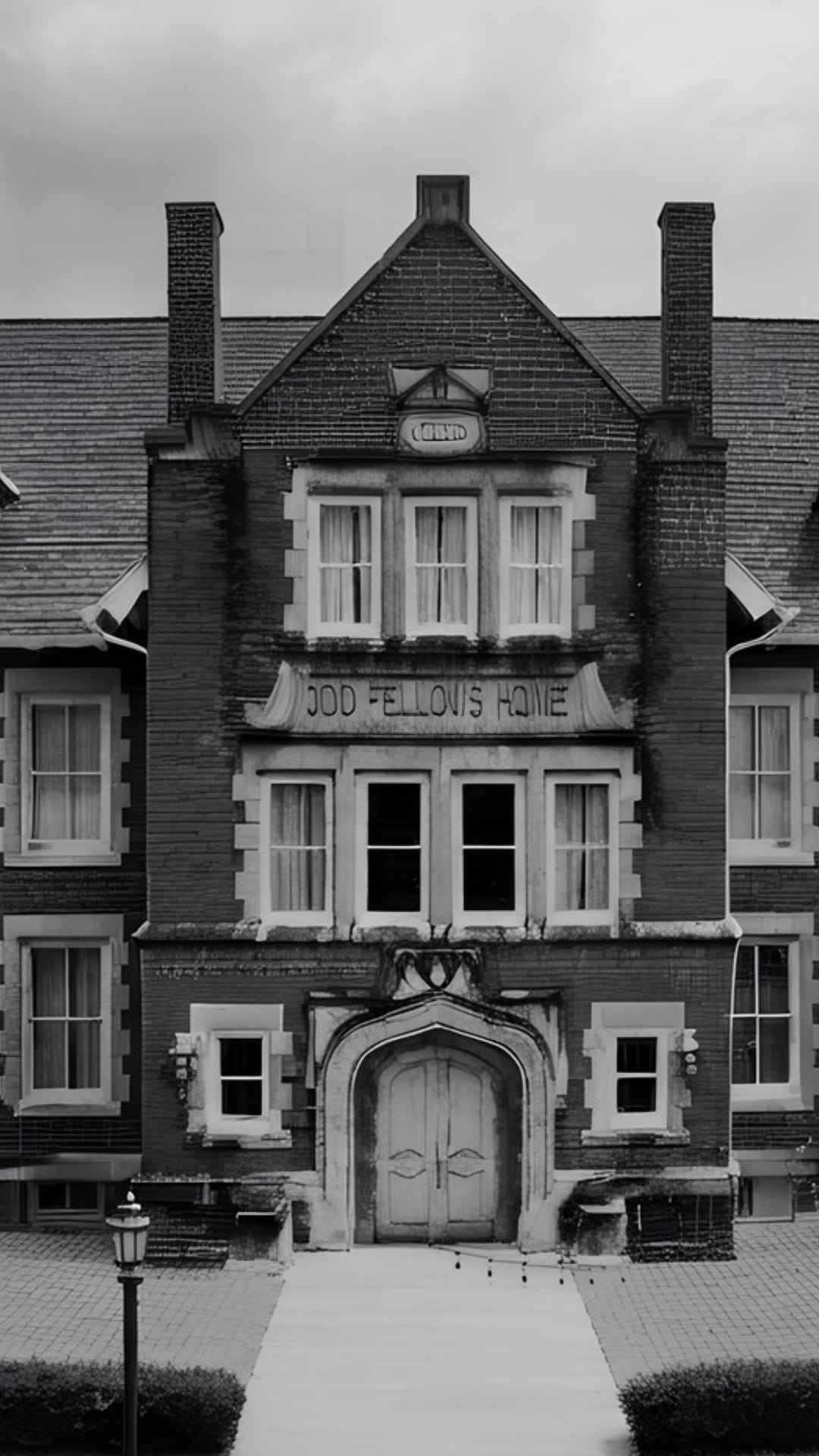
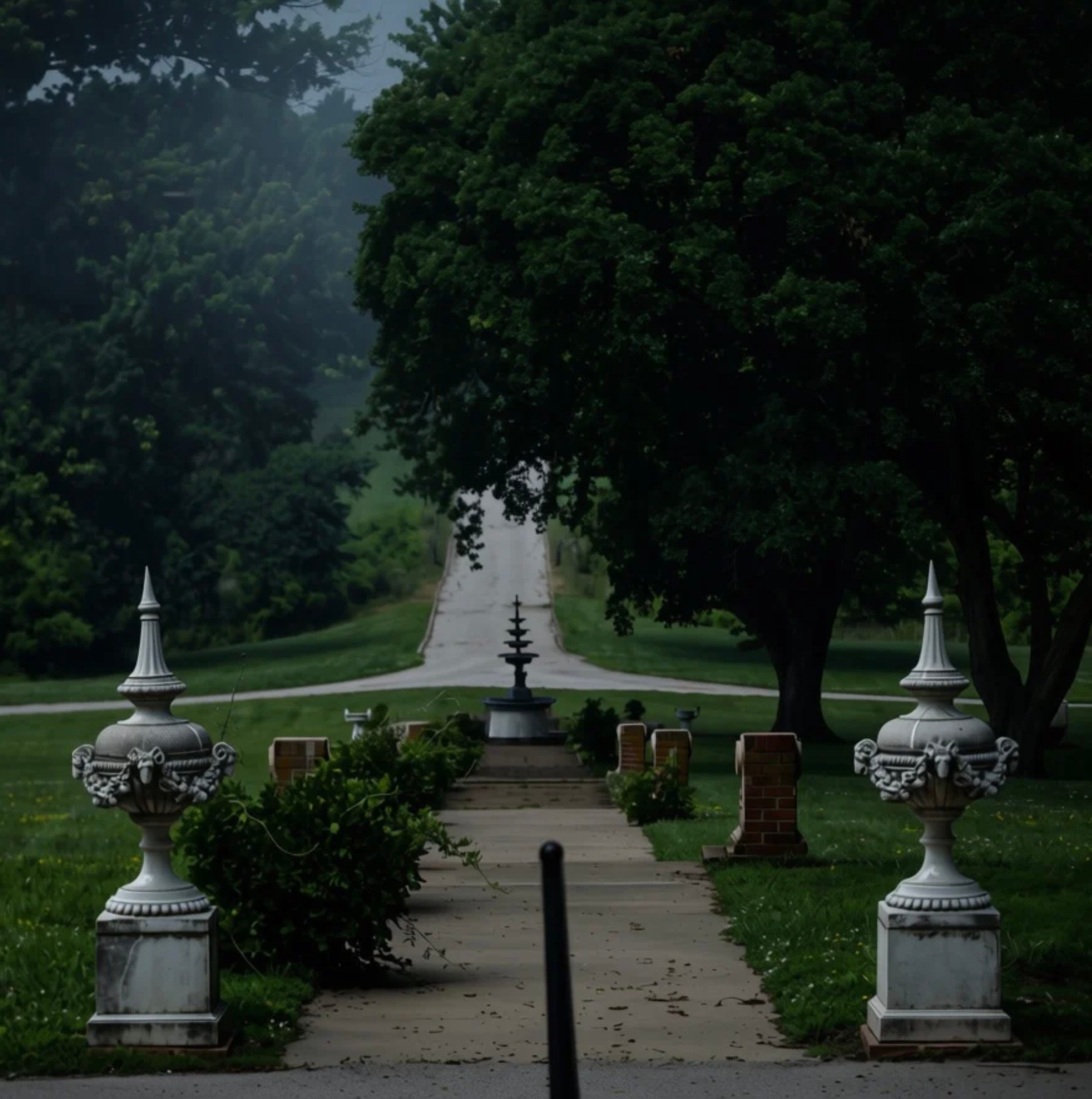
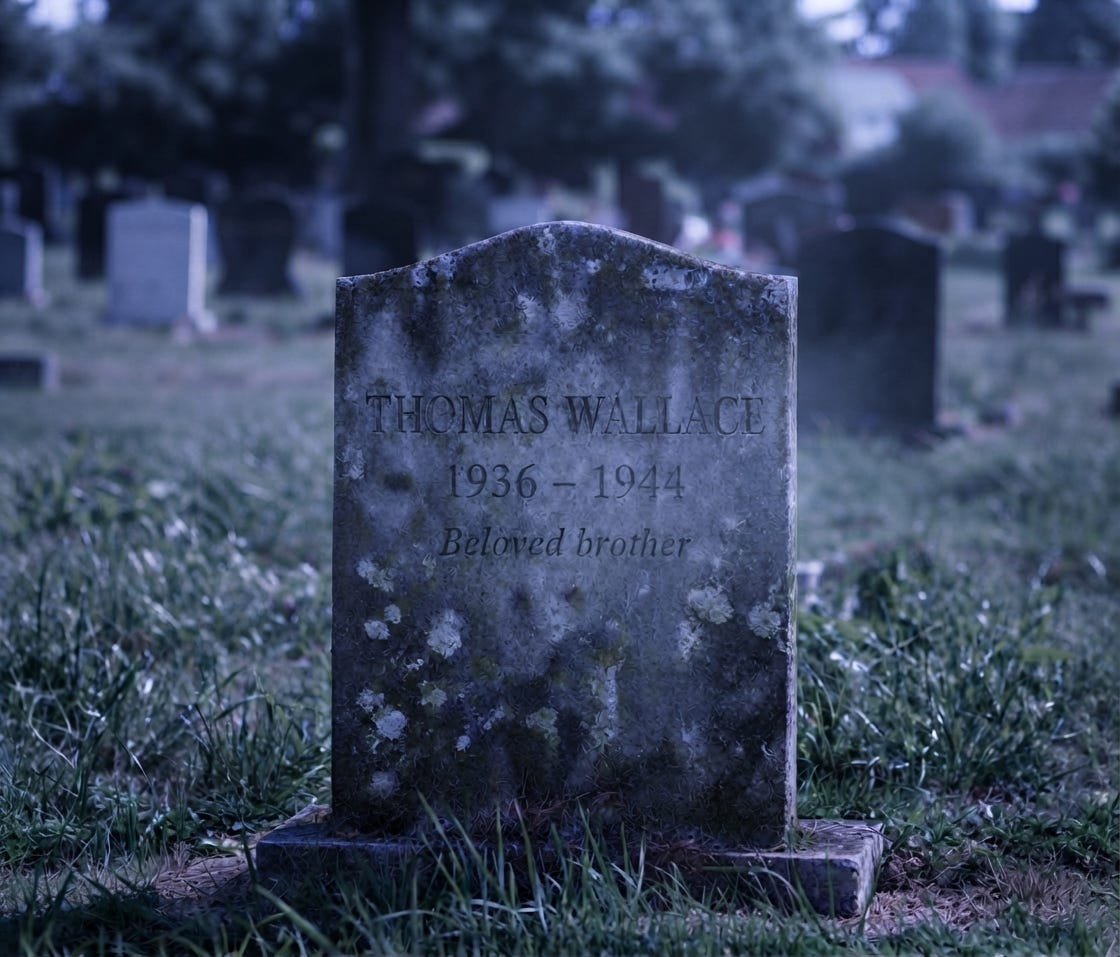
Located in Liberty, the property occupies the former Odd Fellows Home and has become something of a local legend. It was formerly a large charitable residential complex operated by the Independent Order of Odd Fellows, a fraternal organization that provided care for orphans, elderly members, widows, and others in need. Now visitors can tour both the winery and the historic grounds, which include a cemetery and a wealth of stories accumulated over generations.
Oppenheim carefully avoids describing the event as a haunted-house experience. Instead, he sees the setting as fertile ground for a different kind of tension.
The building, he said, lends itself to “a story that can be quite unsettling in the best way.”
Stephanie Mooneyhan, Resound’s executive director and one of the ensemble’s singers, agrees that the venue helps create the evening’s distinctive atmosphere.
“I think when the audience arrives, they’re really going to be drawn in just walking into the building,” she said.
While the performance coincides with the Halloween season, Mooneyhan emphasized that the production is not a Halloween concert in the traditional sense. She says the vibe is spooky without gimmicks or cheap scares. Instead, the experience appears aimed at creating a sense of unease, curiosity and discovery.
Oppenheim compares the mood less to horror films than to psychological thrillers.
“I think of it more like a suspenseful thriller as opposed to a horror movie,” he said.
He points to filmmakers such as Jordan Peele and M. Night Shyamalan as examples of the dramatic territory Resound hopes to explore.
“You will be listening and observing and being part of this story,” he said. “There are moments that are placed there to make it like things may not be what they seem.”
Music plays a central role in shaping that atmosphere.
The program draws heavily from Baltic choral traditions, music Oppenheim admires for its unusual combination of folk-rooted directness and sophisticated craftsmanship. Choral singing occupies a unique place in Baltic culture, particularly in Latvia and Estonia, where enormous song festivals can draw tens of thousands of participants.
“It’s really the heart and soul of it,” Oppenheim said. “From the people, by the people, for the people.”
That repertoire often creates a fascinating impression of existing outside time, sounding ancient and modern simultaneously.
Latvian composer Uģis Prauliņš is known for blending the sonorities of sacred choral music with influences drawn from folk traditions and his background in progressive rock. His Missa Rigensis (”Riga Mass”), composed in 2002, is a large-scale setting of the Mass that has become one of his most widely performed works. Echoes in the Walls will include the Crucifixus from that Mass, which is one of the work’s most introspective moments.
Also in the program is work by the well-known Finnish composer Einojuhani Rautavaara, and Re:Sound will perform one of his most popular works. The Suite de Lorca pairs Federico García Lorca’s vivid, dreamlike imagery with soaring melodic lines and richly colored harmonies.
Listeners will also encounter music by composers such as John Tavener alongside unexpected selections from outside the classical canon.
One notable example is Nick Drake’s “Pink Moon,” which serves as the evening’s opening musical gesture.
“It’s an amuse bouche. It’s setting the scene,” Oppenheim said.
Such eclectic programming is typical of Re:Sound whose productions regularly place contemporary popular music alongside classical masterworks when they serve the story.
“We can’t just pick awesome, great music,” Oppenheim said. “We have to pick awesome, great music that fits the vibe, fits the feel.”
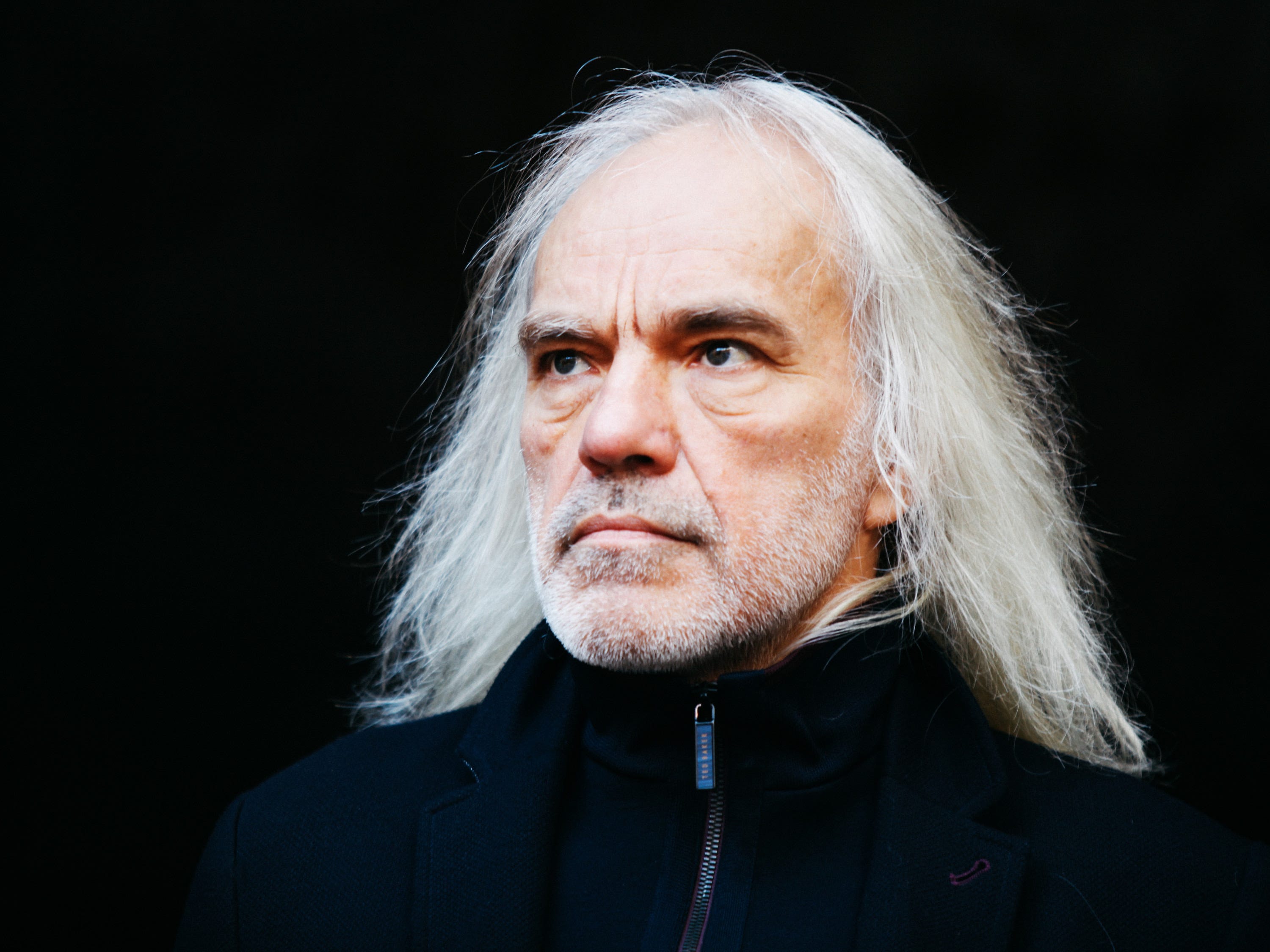

For Mooneyhan, one of the most compelling aspects of the production is how seamlessly the narration and choral music interact.
“It’s not like narration and choral works,” she said. “It really blends so well together, and I feel like both help enhance the other.”
She believes the repertoire has been carefully chosen to pull audiences directly into the unfolding narrative.
“Joshua has done such a great job of programming music that I really it’s going to bring the audience into the narrative,” she said.
As the story develops, the connections between narrator and choir become increasingly elaborate. Oppenheim describes the interaction as beginning subtly before evolving into a dynamic exchange by the performance’s conclusion.
“We’ve never had a concert quite this deep in the level of which the interaction happens,” he said.
Adding another layer of intrigue is the extraordinary way the ensemble operates. Rather than maintaining a fixed local roster, Resound draws from a network of professional singers scattered across the country. Performers travel from states including California, Florida, Ohio and Mississippi, often gathering for the first time only a day before the concert.
That unusual process reflects the commitment Oppenheim has cultivated among colleagues who share his vision.
“They believe in the mission of what we’re trying to do,” he said. “They understand what our goals are, what the group is, and they believe in it.”
In some ways, that belief is at the heart of Echoes in the Walls. The performance is not merely an attempt to make choral music more theatrical. It is an effort to rethink how audiences experience the art form altogether.
As listeners move through the evening at Belvoir, they will encounter beautiful singing, certainly. But they will also find a carefully constructed story, a historic setting rich with memory and a sense that the voices around them are doing more than performing a concert. They are revealing clues.
Like any good thriller, the details may not fully align until the final moments. Until then, audiences are invited to listen closely.
Some echoes, after all, have stories to tell.