

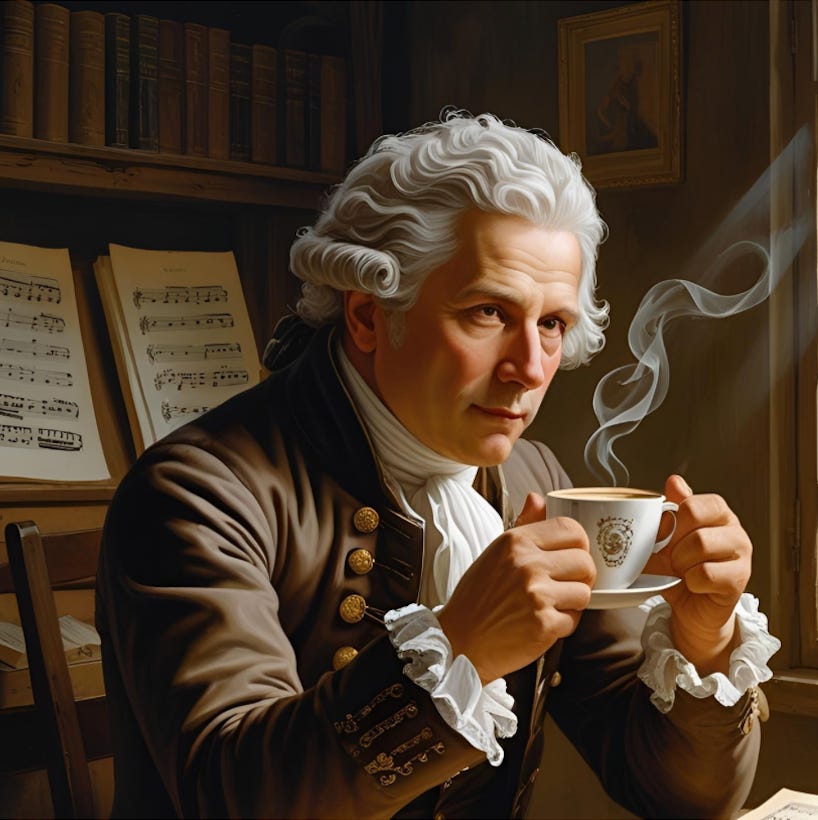
What a rarefied experience it must have been to sit around a table with Johann Sebastian Bach and Georg Philipp Telemann at the Café Zimmermann, as the tattooed barista served lattes decorated with a whimsical foam heart on top.
OK, there may not have been a tattooed barista or foam art, but other than that, the experience was probably very similar to hanging out in a contemporary coffeehouse.
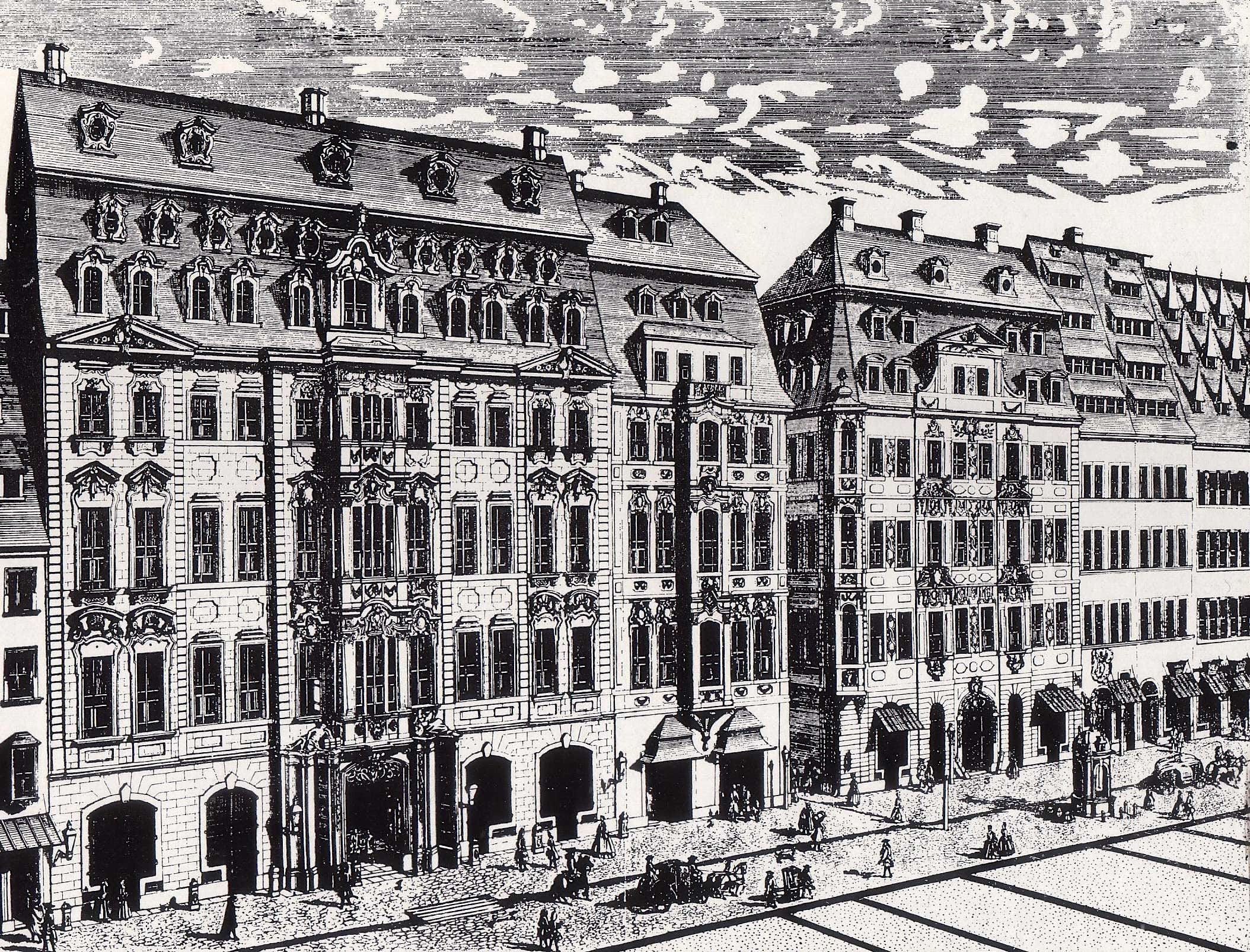
Café Zimmerman was located on the fashionable Katharinenstrasse in Leipzig, where several of the city’s hottest coffeehouses were located. Coffee was quite trendy and very popular with Leipzig residents.
But there was a monumental difference between a typical Kansas City Starbucks and Café Zimmermann. The latter featured the Collegium Musicum, top-notch ensemble of university students and local musicians devoted to playing the latest music by Leipzig’s greatest composers. It was founded by Georg Philipp Telemann in 1702, before Bach took over in 1729. The group premiered many of Bach’s works, including some of his orchestral suites and various concertos and his secular cantatas, like the famous “Coffee Cantata.”
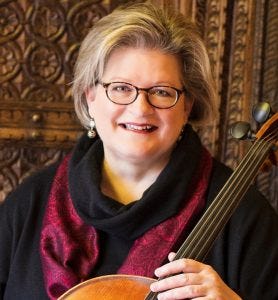
You’ll hear many of the works that were performed at this legendary coffeehouse when Kansas City Baroque Consortium led by cellist and artistic director Trilla Ray-Carter presents Bach at the Café Zimmerman: Coffee, Pipe & Drink — Vice, Virtue and Redemption at 7:30 p.m. Aug. 15 at Visitation Catholic Church and at 3 p.m. Aug. 17 at Gloria Dei Lutheran Church. The concert will also feature countertenor Jay Carter.

THE COFFEE CANTATA
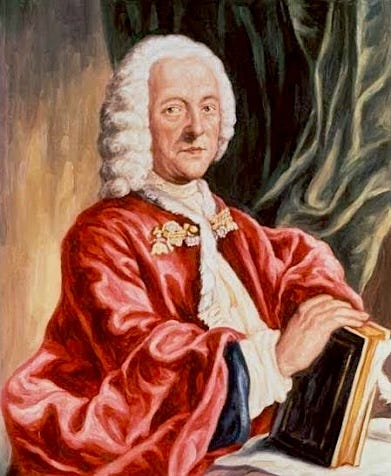
Telemann was one of the most prolific composers who ever lived, and in the 18th century, he was more popular than Bach. While Telemann’s music was not as dense and cerebral as Bach’s music could be, Telemann was tuneful, witty and charming, drawing on influences from a variety of international styles.
The program will start with the first and final movements from Telemann’s Concerto for Recorder & Viola da Gamba in A minor, TWV. 52:a, a gem of the Baroque period. The first movement, marked “Grave,” is solemn and stately, setting a dignified tone. The fourth movement, “Allegro,” is lively and brisk, full of energy and rhythmic drive. The contrast between the two movements showcases Telemann’s versatility and the recorder’s expressive range.
We don’t know if Bach indulged in coffee, but based on his Coffee Cantata, BWV 211 we know he was definitely amused by those who did. In the cantata, a young woman named Liesgen has a bad coffee habit, which her father, Schlendrian (“Stick-in-the-Mud”), intends to curb. He threatens to withhold privileges — even marriage — if she doesn’t give up her coffee drinking ways. The witty and rebellious Liesgen responds with a delightful paean to the beverage.
EI! wie schmeckt der Coffee süße, Ah! how sweet coffee tastes,
Lieblicher als tausend Küsse, Lovelier than a thousand kisses,
Milder als Muskatenwein. Milder than muscatel wine.
Coffee, Coffee muss ich haben, Coffee, coffee I must have,
Und wenn jemand mich will laben, And if anyone wants to please me,
Ach, so schenkt mir Coffee ein! Ah, then give me coffee!
The Tobacco Cantata
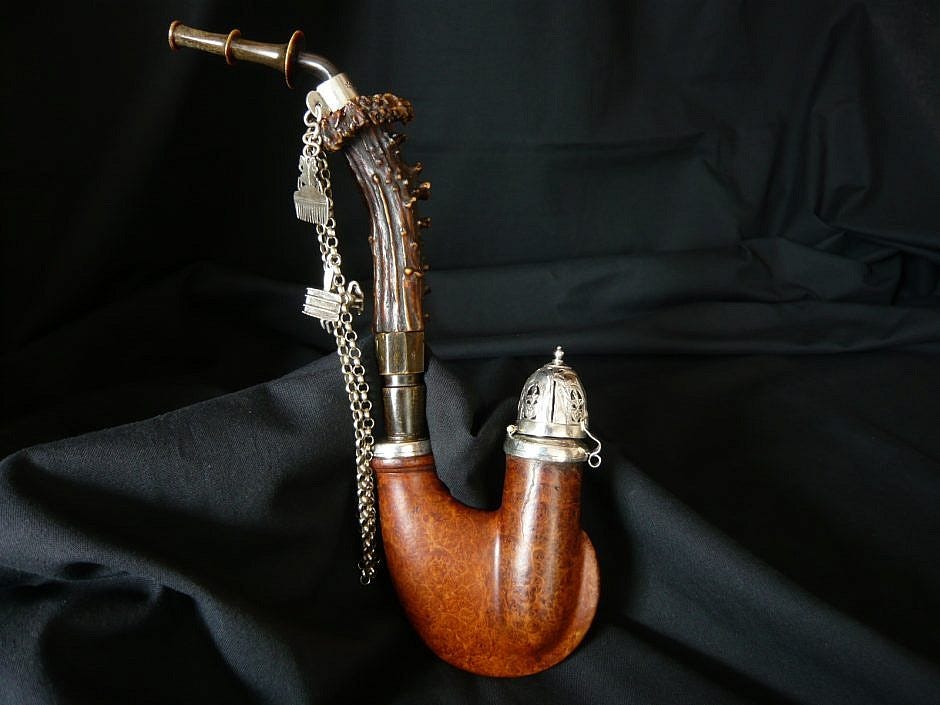
Coffee wasn’t the only “vice” that inspired Bach’s brilliance. His secular cantata So oft ich meine Tobackspfeife (“Enlightened thoughts of a tobacco smoker”) BWV. 515 humorously extols the pleasures of smoking. Written around 1734, it’s another light-hearted departure from Bach’s more serious sacred works. The cantata pokes fun at the moralists of the time who condemned smoking, making it quite a unique gem in Bach’s repertoire. A playful ode to tobacco, with Bach’s signature musical brilliance.

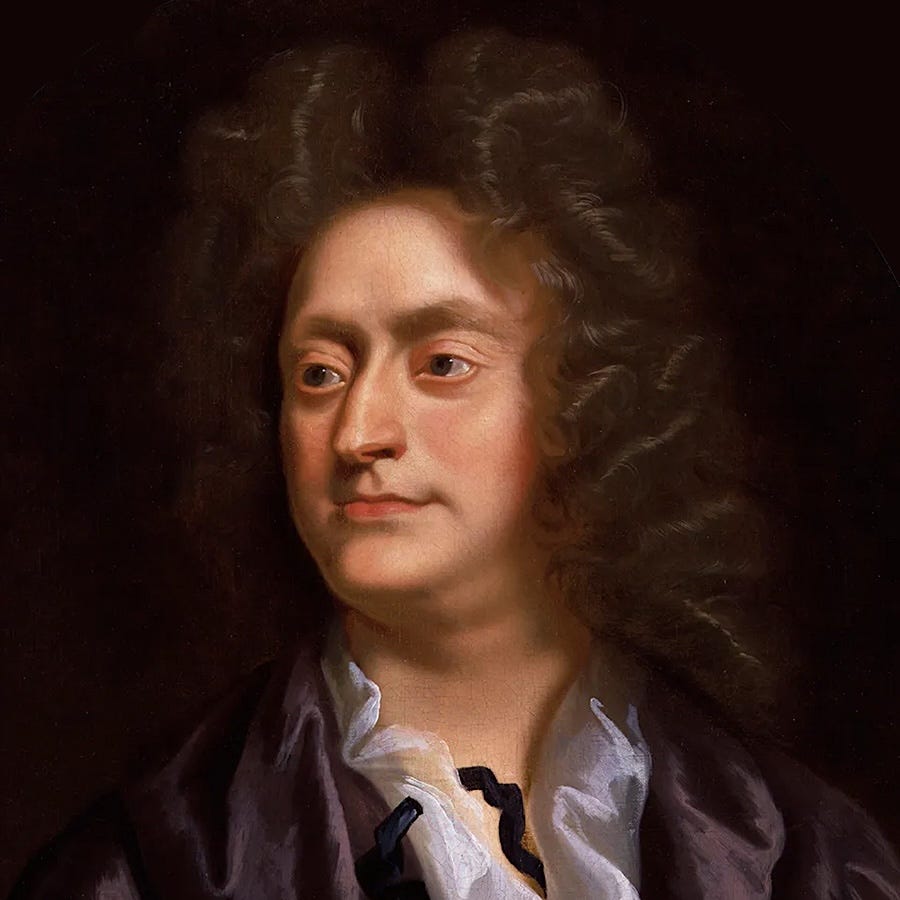
Henry Purcell’s Bacchus Is a Pow'r Divine, Z. 360
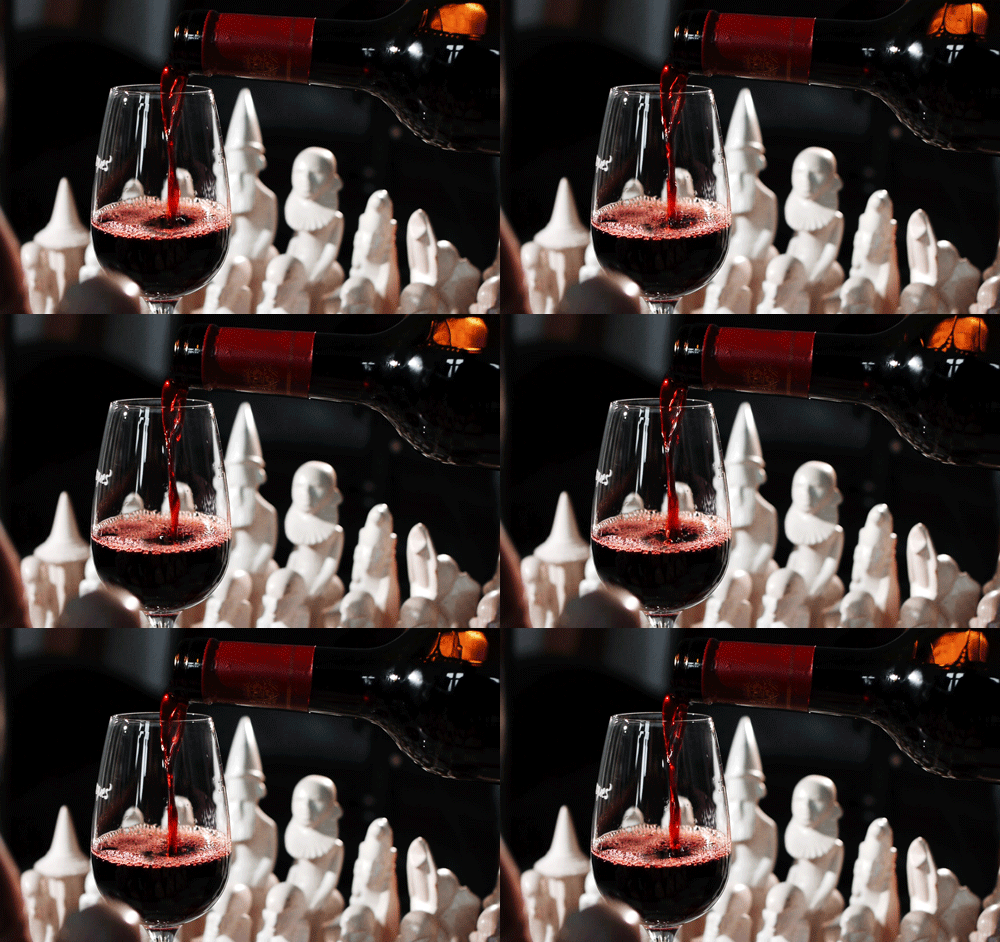
Across the pond in England, the composer Henry Purcell (1659-1695), who died ten years after Bach was born, was celebrating another temporal pleasure: drinking. Purcell wrote several drinking and tavern songs like I Gave Her Cakes and I Gave Her Ale, Down Among the Dead Men and Bachus is a Pow’r Divine.
The song is a spirited ode to Bacchus, the Roman god of wine, celebrating the pleasures of drinking and the carefree life it brings. The lyrics contrast the peaceful intoxication of wine with the chaos of war and ambition. The speaker revels in the fantasy of wealth and contentment brought on by wine, scorning worldly pursuits like honor and battle. The final lines humorously pit drunkenness against death.
Bacchus is a pow’r divine,
For he no sooner fills my head
With mighty wine,
But all my cares resign,
And droop, then sink down dead.
Some perhaps think it fit to fall and die,
But when the bottles rang’d to make war with me,
The fighting fool shall see, when I am sunk,
The diff’rence to lie dead, and lie dead drunk.
Erlebach and Bernier
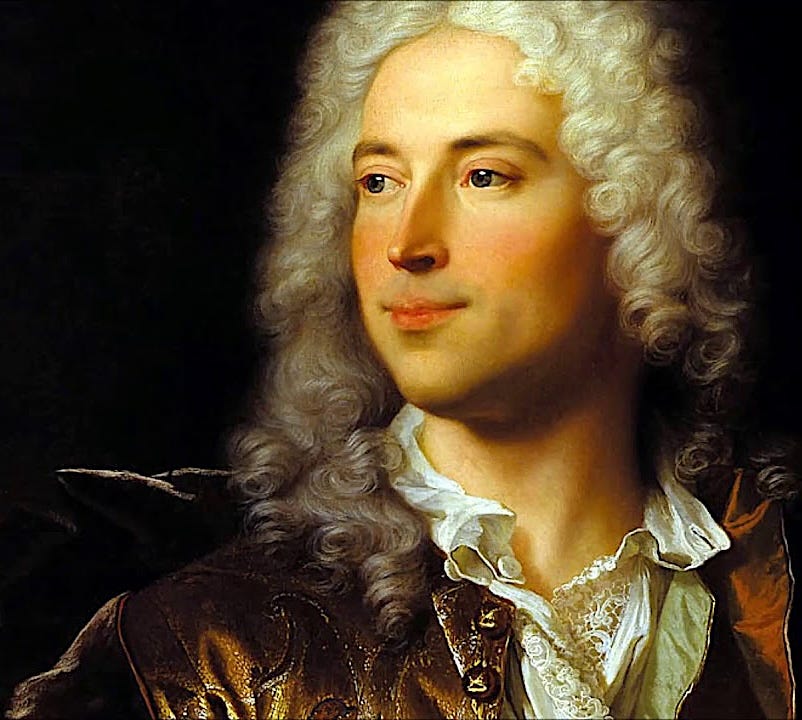
The first half of the program will conclude with works by two lesser known Baroque composers, Philipp Heinrich Erlebach (1657-1714) and Nicolas Bernier (1664-1734). Erlebach was a German composer, who, like Telemann, was very prolific. Unfortunately, most of his works were destroyed in a fire in 1735. However, his Sonata Sesta in F Major is part of his surviving set of six sonatas for violin, viola da gamba, and basso continuo. These works are rare gems from a composer whose legacy is mostly unknown.
This work in five movements features a pairing of violin and viola da gamba that reflects Erlebach’s fusion of Italian lyricism with French dance elegance.
I. Affetuoso - Allegro - Grave
II. Allemande
III. Courante
IV. Sarabande & Variation
V. Gigue (Vivace e prestò)
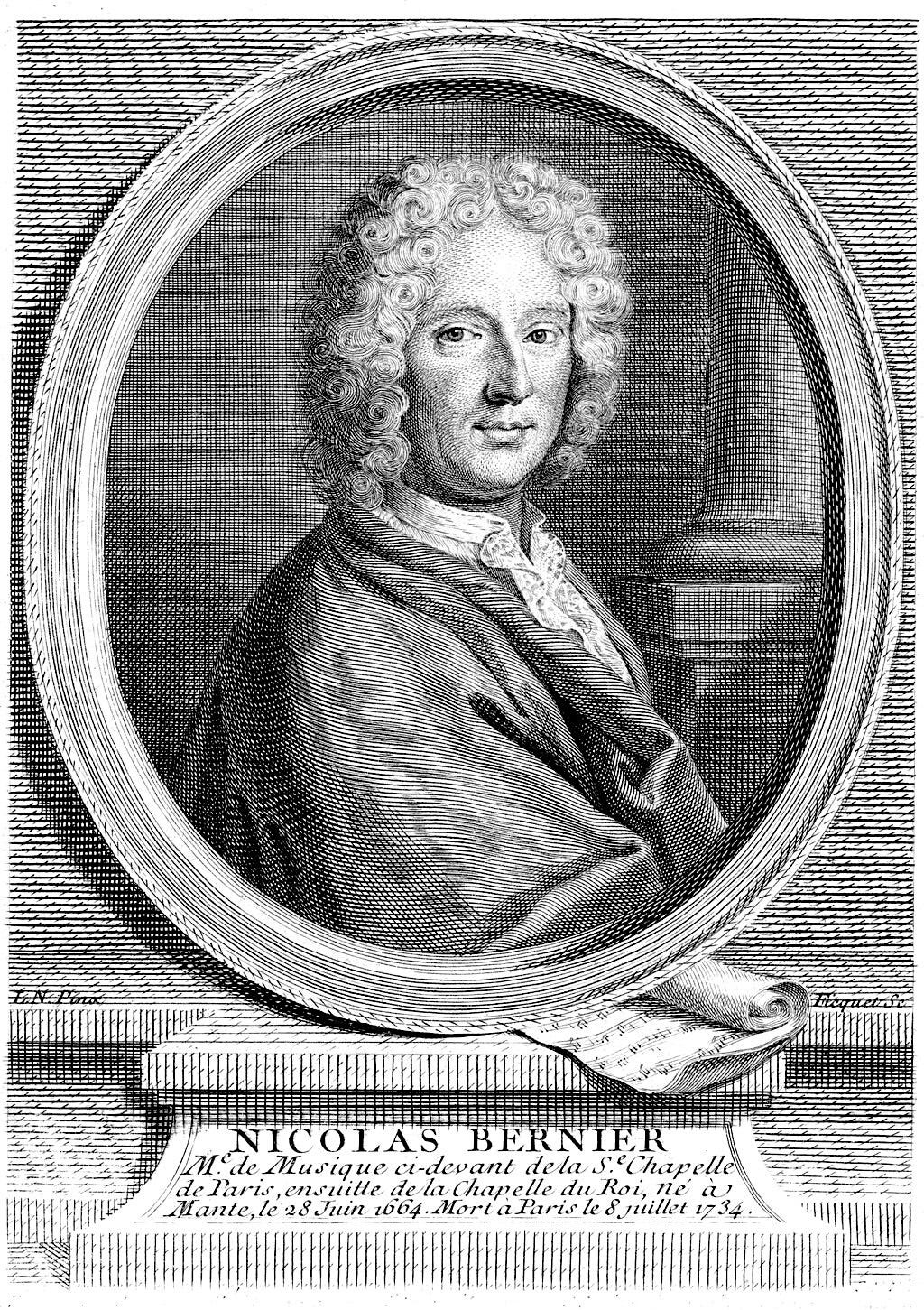
Bernier was a highly regarded French Baroque composer. In fact, he succeeded Marc-Antoine Charpentier as maître de musique des enfants (master of choristers) at Sainte0 Chapelle in 1704. His music is a delicious blend of French and Italian influences. Speaking of a delicious blend, like Bach, Bernier also wrote a coffee cantata. Le Caffe cantata, (3e Livre, No.4) is a charming secular cantata composed around 1703. It celebrates the pleasures of coffee with wit and elegance, and was written several decades before Bach’s Coffee Cantata.
Café, du jus de la bouteilie Coffee, juice from the bottle
Tu combats le fatal poison, You fight the fatal poison,
Tu ravis au dieu de la treille You steal from the god of the vine
Le beuveur que ton charme eveille The drinker whom your charm awakens
Et tu le rens à la raison. And you bring him back to reason
Le sage s’ it s’ amuse a boire And you bring him back to reason
Resist Sin
After all of this indulgence in vice, the second half of the program opens with an exhortation to virtue. Bach’s cantata Widerstehe doch der Sünde (“Just resist sin”), BWV 54.
Composed during Bach’s Weimar period, it was likely first performed on 15 July 1714 for the Seventh Sunday after Trinity. It stands out as Bach’s first surviving solo cantata, and its moral clarity, harmonic daring and expressive economy make it a profound miniature of sacred drama.
The cantata opens with a jarring dissonance. John Eliot Gardiner describes Bach’s approach as a calculated jolt, designed to awaken the listener to the imperative: “stand firm against all sinning, or its poison will possess you.”
Let’s Dance!
Bach was devoutly religious man who signed every sacred composition with S.D.G. (Soli Deo Gloria - "to God alone be the glory”), but he was far from being a glum 18th century Lutheran. While resisting sin, he could compose lighthearted works about drinking and smoking. There is a joy that permeates so much of his secular music. For example his orchestral suites, which are basically collections of French dance music. They were most likely first performed by the Collegium Musicum in Café Zimmermann.
The program ends on a festive note with Bach’s Orchestral Suite No. 3 in D. It’s the most famous of his four orchestral suites, largely due to its second movement—the celebrated Air, often referred to as Air on the G String. The Air movement has transcended its original context, becoming a staple of classical repertoire and a symbol of serene beauty. The suite as a whole showcases Bach’s ability to blend French elegance with German contrapuntal depth, making it a standout in his orchestral output.
Ouverture
Air
Gavotte I/II
Bourrée
Gigue
Bach at the Café Zimmerman
Coffee, Pipe, & Drink: Vice, Virtue & Redemption
featuring Jay Carter, countertenor
7:30 p.m. Aug. 15 at Visitation Catholic Church, 5141 Main St.
3 p.m. Aug. 17 at Gloria Dei Lutheran Church, 5409 NW 72nd St.FOR TICKETS AND MORE INFORMATION, KCBAROQUE.ORG