
“BEAUTIFUL AND VARIED THEMES” FINALLY GIVEN VOICE
Musica Vocale Presents
Unsung: Celebrating America’s Hidden Musical Heroes
By Patrick Neas, KC Arts Beat
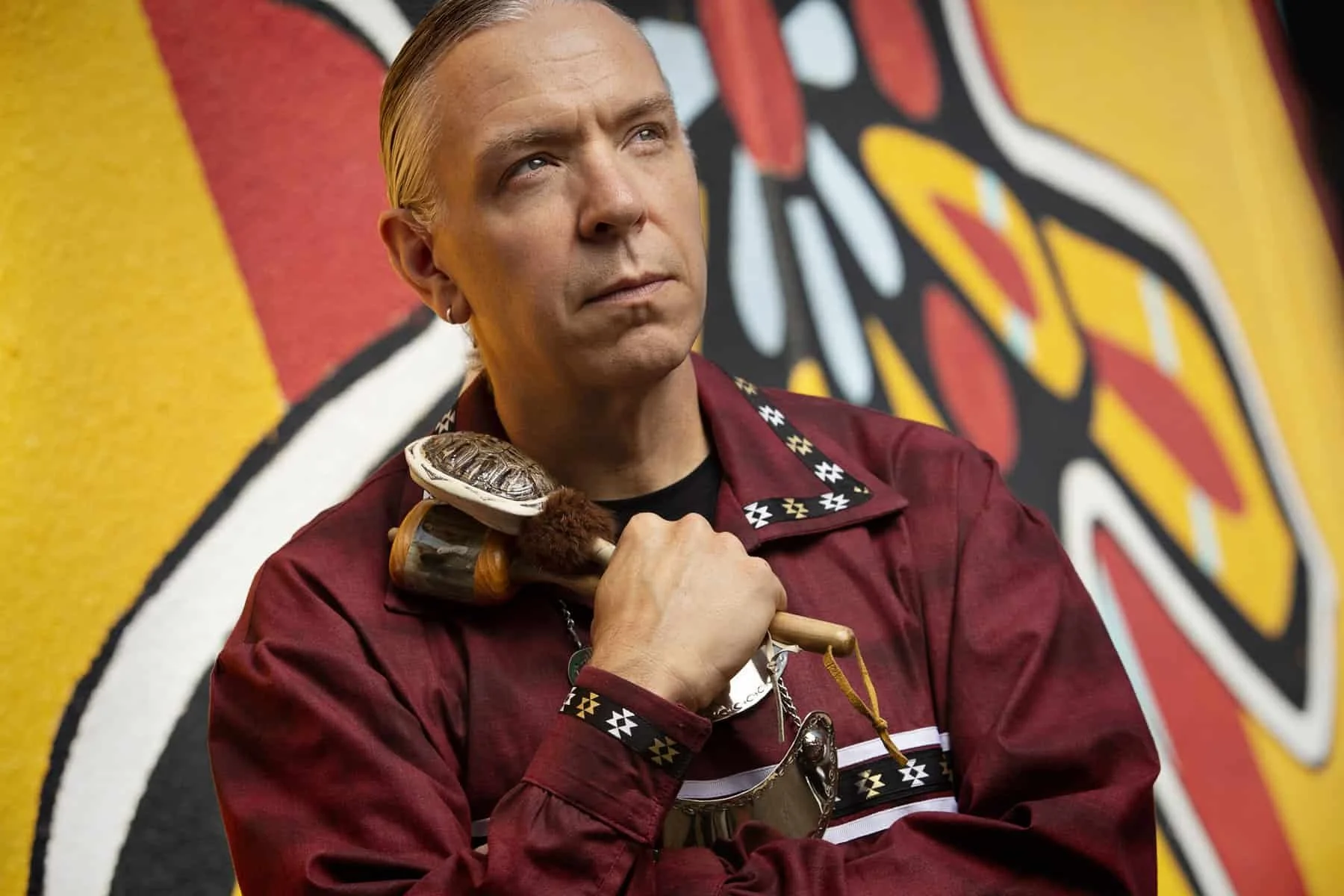
Jerod Impichchaachaaha' Tate
This preview brought to you by Musica Vocale
In 1892, Czech composer Antonín Dvořák was recruited by wealthy American arts patron Jeanette Thurber to become director of the National Conservatory of America in New York City. He was offered $15,000, which was 30 times more than he was making as a professor of music at Prague Conservatory. After arriving in New York, Dvořák started to become familiar with the beauty of African-American spirituals through his Black student and eventual personal assistant Harry T. Burleigh, who would sing “plantation songs” to him.
In an 1893 interview with New York Herald journalist James Creelman, Dvořák said, “These beautiful and varied themes are the product of the soil. They are American. These are the folk songs of America and your composers must turn to them.”
Since then, too often the music of African-American and indigenous American composers has been overlooked by the classical music world. That has been changing in recent years, and Kansas City will soon have a chance to hear a full concert of the rich and beautiful music that has been waiting to be given voice.
Musica Vocale presents its season finale, Unsung: Celebrating America’s Hidden Musical Heroes, at 3 P.M. May 31 at Immanuel Lutheran Church at 42nd and Tracy.
The concert was designed to celebrate the country’s 250th anniversary, but it isn’t a traditional patriotic pageant. It’s a deep look at the musical voices that helped shape American classical culture but have been pushed aside. Musica Vocale’s Artistic Director Jay Carter had been searching for a way to mark the anniversary without repeating the standard American repertoire. That search led him back to a letter Dvořák’s wrote to the New York Herald in 1893 not long after his interview with Creelman.
“Dvořák made this assertion that if American music was going to be something unique, it needed to pull from the music of Black America and Native America,” Carter said. “He was saying, ‘This is the thing you have, America. This is the thing you should take as your musical identity and deliberately craft a tradition that follows it.’”
The idea was controversial in 1893 and remains under-realized today. Carter sees the letter as a challenge that American classical music needs to fully answer.
“Over the last 120 years, Dvořák’s assertion has played out as absolutely right,” he said. “But we’re at a time now where paying attention to that is more needed than ever.”
Musica Vocale has always had a mission to bring Kansas City music that other ensembles overlook. Carter credits founding conductor Arnold Epley for that ethos.
“Arnold had a long‑standing commitment to making sure we were doing music Kansas City audiences might not encounter from another organization,” Carter said. “That’s baked into who we are.”
This concert is certainly an example of that commitment. While being a varied concert of gorgeous music —as are all of Musica Vocale’s programs — it’s also a map of American musical history that refuses to leave anyone out.
Nathaniel Dett and the Spiritual as Classical Art
One important work on the program is Chariot Jubilee by R. Nathaniel Dett, a composer whose work is finally receiving the attention it deserves.
Dett was born in Canada to grandparents who had fled slavery. He was a member of the next generation after Burleigh. Dett would become the first Black American to graduate from Oberlin Conservatory, a school that Carter points out was founded by abolitionists. While there, Dett encountered Dvořák’s ideas and took them seriously.
“Dett immediately begins writing musical material that takes the American spiritual and gospel song tradition but applies the European classical lens to it,” Carter explained. “We did a piece by him a few seasons ago, and it feels exactly like a Bach motet. The cantus firmus just happens to be a spiritual.”
Chariot Jubilee is a large, fifteen‑minute fantasia on Swing Low, Sweet Chariot. Dett chose the same spiritual Burleigh once sang for Dvořák and which inspired parts of the New World Symphony. Carter sees that choice as a statement of artistic arrival.
“I like to think this was Dett claiming his identity in a powerful way,” he said.
Dett’s music reached national audiences in the early 20th century through the touring and broadcast activity of the prestigious Hampton Institute Choir. The group occasionally featured Dett’s works on radio programs and performed his music on some of the country’s most prestigious stages. That includes a 1932 performance at Carnegie Hall that helped solidify their reputation as one of America’s leading Black choral ensembles. As Dett’s own ensemble, they shaped the sound, interpretation, and public understanding of his music more than any other group.
But Dett’s music was written in a deeply romantic style that fell out of fashion in the mid‑20th century, as the classical world became obsessed with the music of the New Viennese school and other avant-garde sounds.
“There was a period where the style Dett was composing in became unfashionable,” Carter said. “And I’m sure his race had something to do with it, too.”
Fortunately, scholars and conductors have spent the last few decades bringing Dett’s work back into circulation. Carter is grateful for their persistence.
“It’s a shame the bulk of his material was thrown to the side,” he said. “It’s absolutely genius.”
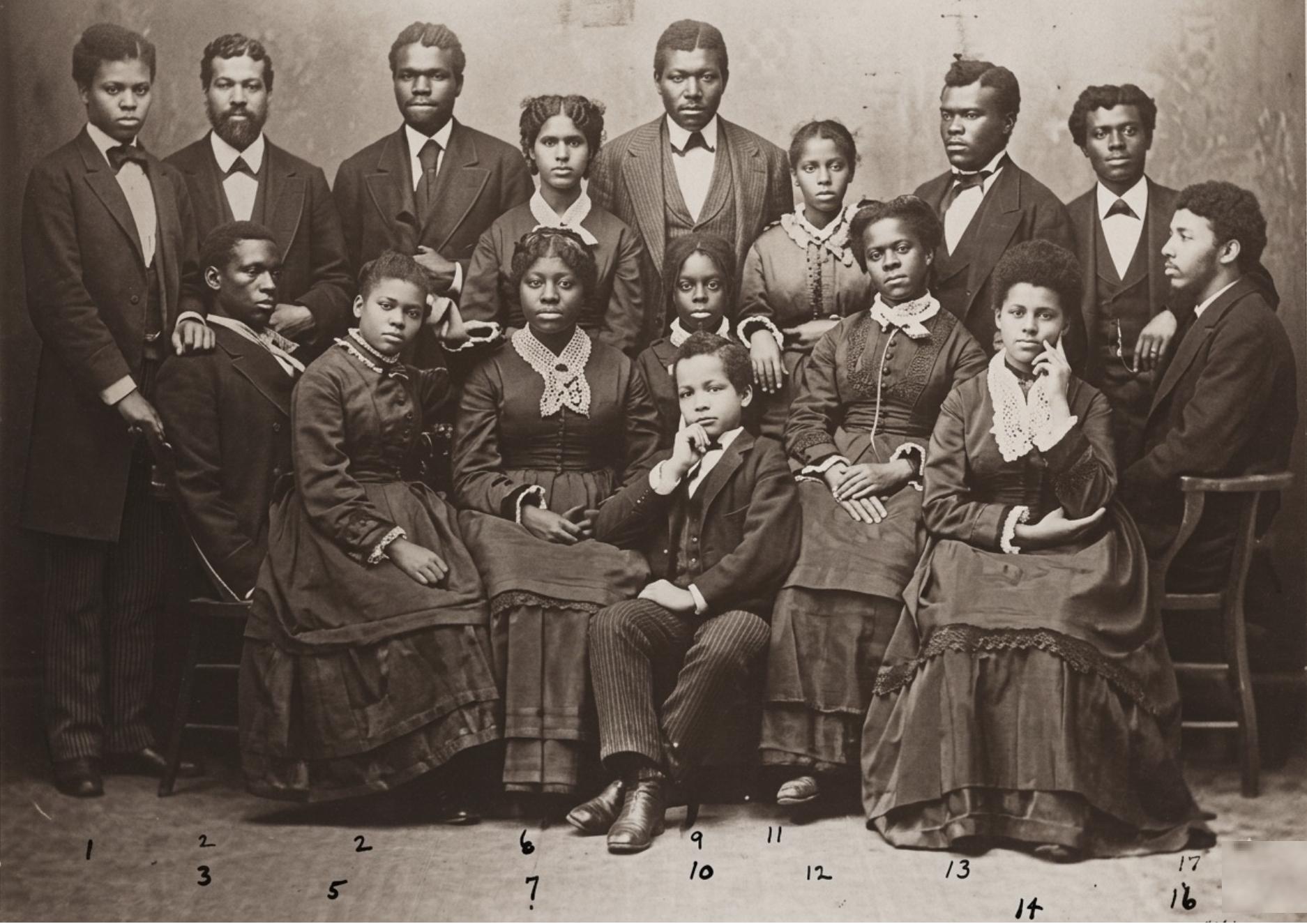
Early 20th Century photo of the Hampton Institute Choir
Native American Voices and a Long‑Overdue Opening
The program also includes Visions of a Child: A Pueblo Lullaby by Chickasaw composer Jerod Impichchaachaaha’ Tate. Tate’s work draws from Pueblo musical traditions with a level of care that Carter deeply respects.
“It gives us an opportunity to explore music rooted in Native American traditions without it being cultural appropriation,” he said. “That aspect of our culture has probably been the most deliberately suppressed in the last hundred years.”
Tate was born in 1968 in Norman, Oklahoma. His Chickasaw middle name, meaning “his high corncrib,” is an inherited house name that reflects a traditional family identity. He has been commissioned by major orchestras including the National Symphony, San Francisco Symphony, and Minnesota Orchestra, and his works are performed widely across the United States. Tate is also a Chickasaw Hall of Fame inductee and has served as a Cultural Ambassador for the U.S. Department of State.
Carter notes that only since the repeal of federal restrictions on Native cultural expression in 1978 have Indigenous composers been able to reclaim and develop their musical heritage openly.
“We’re excited to begin exploring that part of our choral and classical heritage,” he said. “It’s tough as nails, and we’re excited to do it.”
Worthy Music of Broad Appeal
Carter is adamant that this concert isn’t a gesture toward diversity for its own sake.
“Every single one of these pieces is excellent on its own,” he said. “Some have a specific cultural rooting, and others are pieces by composers you’d know nothing about unless you looked up their biography.”
He wants audiences to hear these works as part of the American canon, not as special‑interest repertoire.
“I think it’s important that we don’t pigeonhole composers,” he said. “Probably the greatest example on this concert is a piece by Adolphus Hailstork. It’s a perfect postmodern piece in every way. It ought to be in the core that every choral musician learns.”
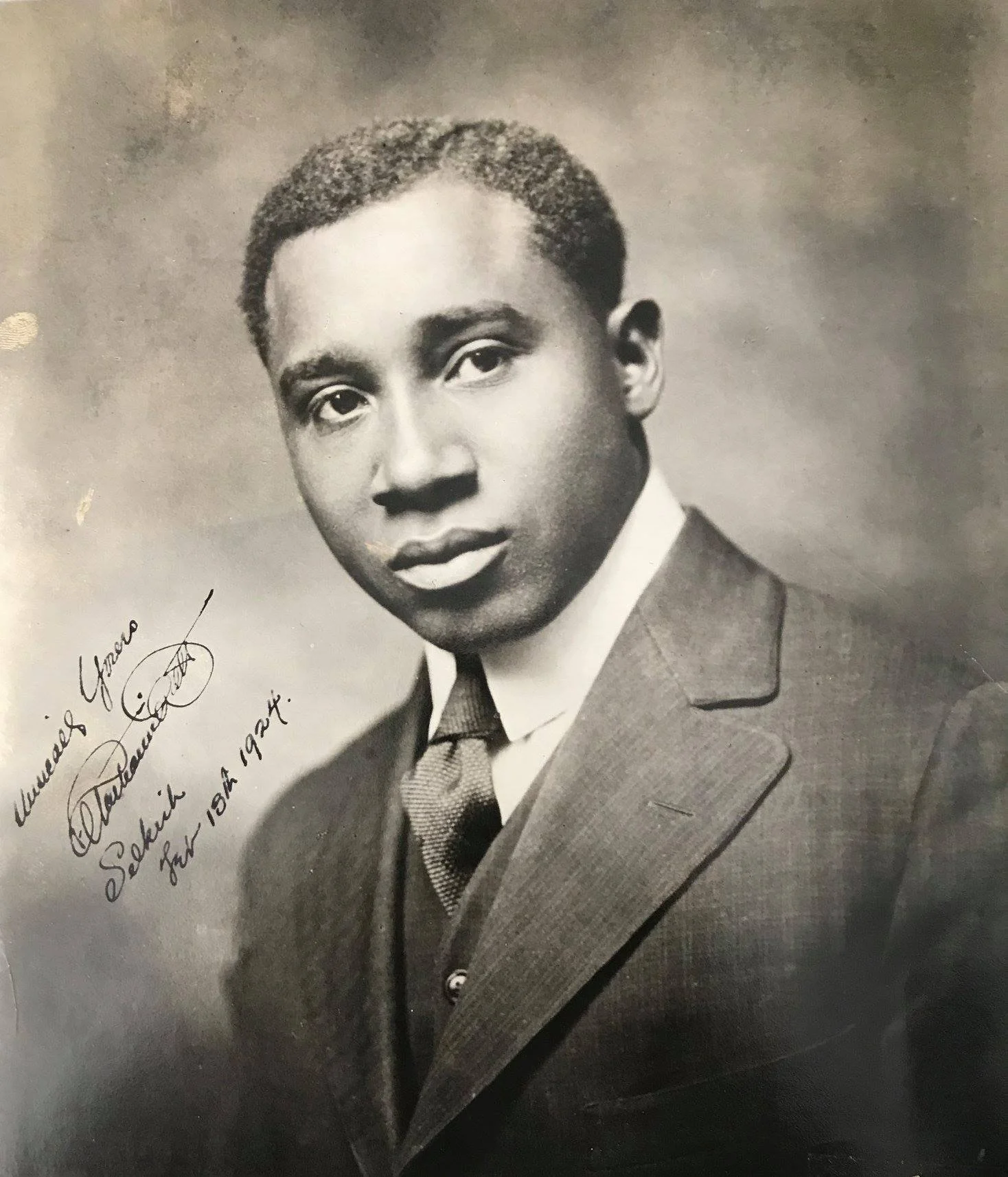
R. Nathaniel Dett
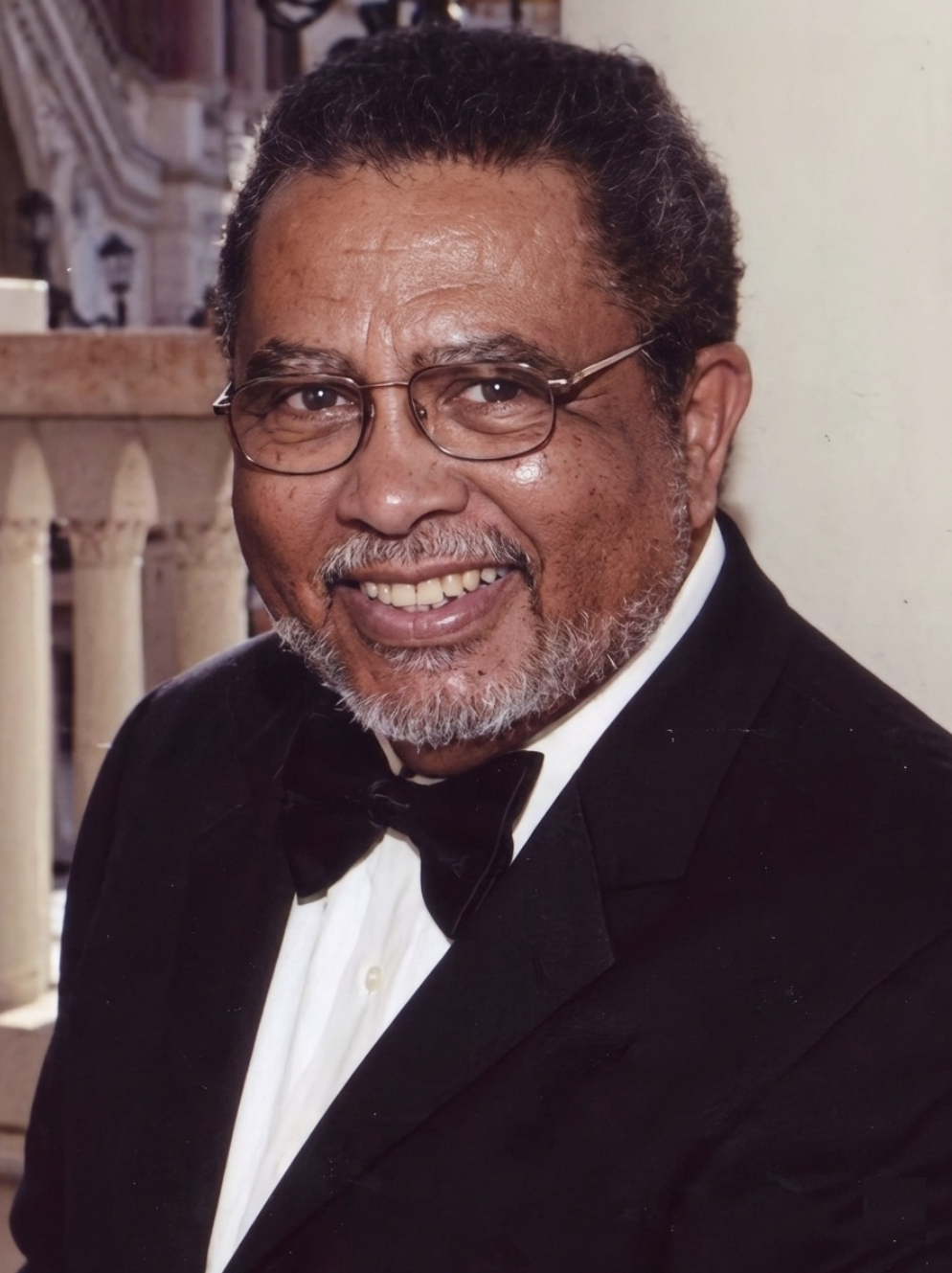
Adolphus Hailstork
The program also includes works by other composers that Carter describes as a broad cross‑section of the American melting pot.
“Maria Isabel Valverde is a living composer and a St. Olaf graduate from about 10 years ago who’s living in Texas,” Carter said. “Evelyn Simpson‑Curenton, is a Philadelphia‑based Black composer whose sister, Marietta Simpson, is a legendary singer and a remarkable operatic mezzo‑soprano. And there are a number of other composers, including Undine Smith Moore and Margaret Bonds.”
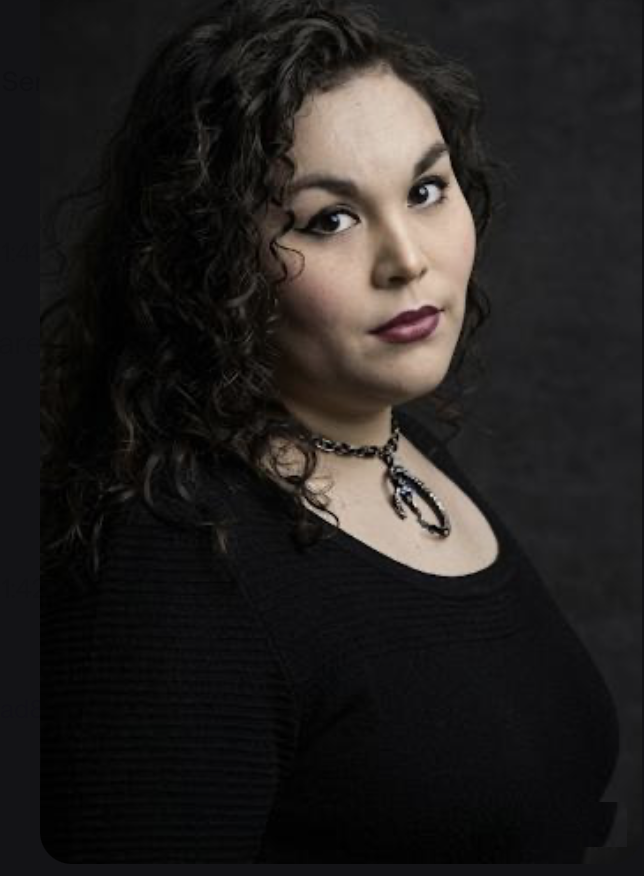
Maria Isabel Valverde
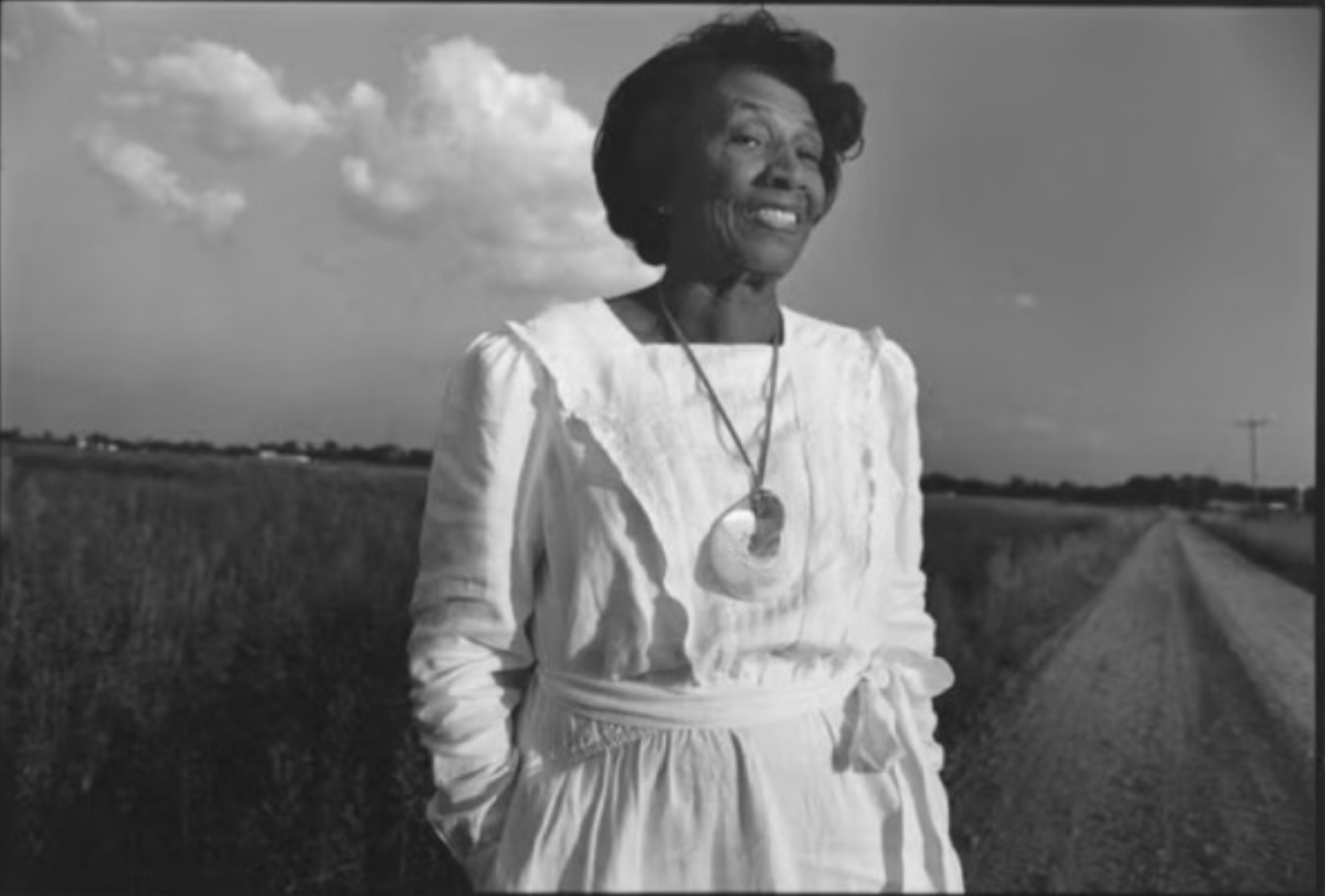
Undine Smith Moore
Carter is clear‑eyed about the history behind this concert, but he’s also optimistic.
“My hope is that in 150 years people will be astounded that we had to have this conversation,” he said. “But I don’t feel like we can just leave it alone and assume it’s going to be okay.”
He sees Musica Vocale’s role as one of stewardship as well as advocacy.
“Music and history are not always kind to things that should be acknowledged,” he said. “It’s usually because other people are paying attention that it gets preserved and passed along. We want to participate in that.”
Musica Vocale Presents
Unsung: Celebrating America’s Hidden Musical Heroes
3 P.M. May 31 at Immanuel Lutheran Church, 42nd & Tracy
Free Admission. For more information or to support Musica Vocale: www.musicavocale.org.
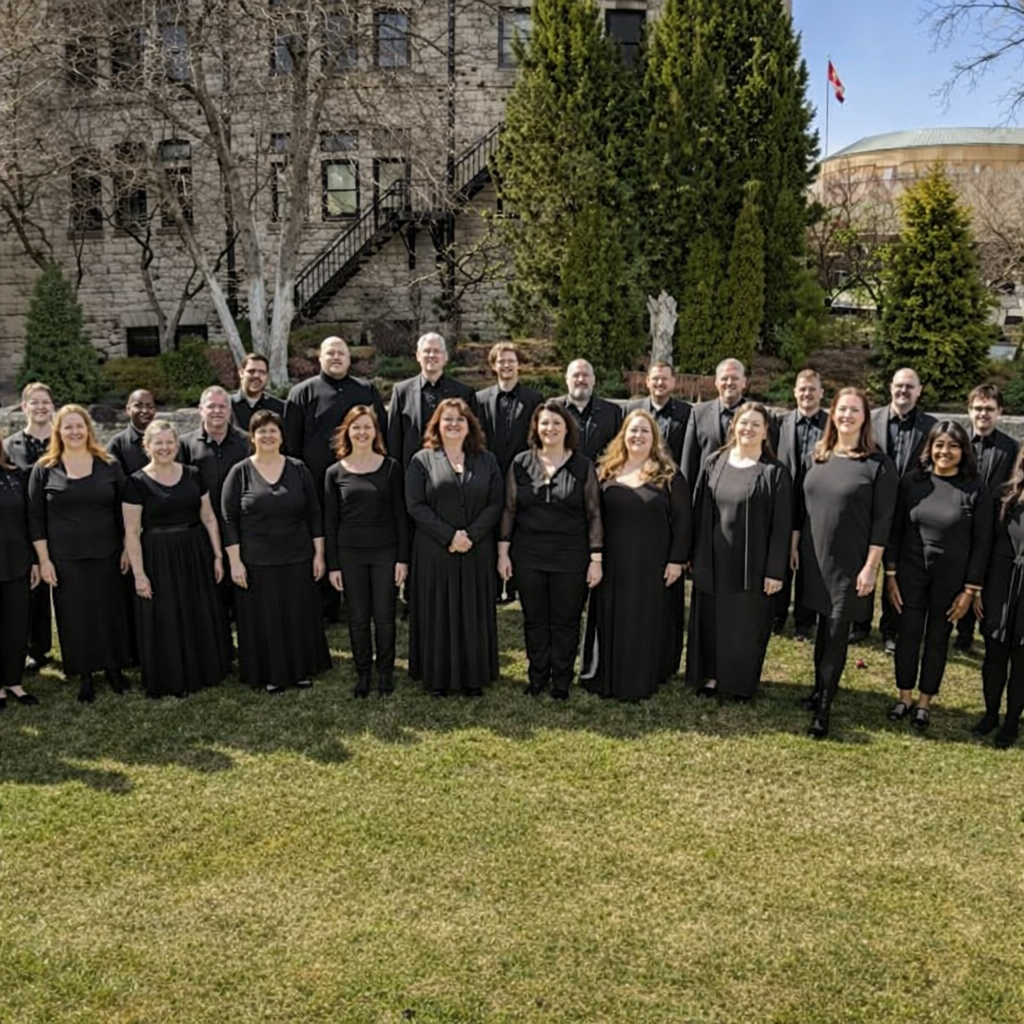
Musica Vocale