
A MUSICAL PILGRIMAGE TO THE HOLY OF HOLIES
Musica Vocale performs Psalms of Ascent
By Patrick Neas, KC Arts Beat

Reconstruction of the Temple of Herod, Southeast Corner, James Tissot
“I lift up my eyes to the hills, From where does my help come My help comes from the Lord, who made heaven and earth.” (Psalm 121:1-2)
One can only imagine what a profound spiritual experience it must have been for the ancient Jewish pilgrims making their way from distant regions to the Temple in Jerusalem. The pilgrimage had been taking place at least since it was mandated in the books of Exodus and Deuteronomy, between the 5th and 7th centuries BCE. As part of the pilgrimage, certain psalms were chanted or recited as Mount Moriah was approached and the Temple’s steps were ascended.
Even after the Temple’s destruction these “Psalms of Ascent” have remained an important part of the spiritual lives of the Jewish people, often sung or recited during Shabbat, certain festivals and even after meals.
Musica Vocale conducted by Jay Carter and Ryan Olsen, accompanied by musicians from Kansas City Baroque Consortium, will perform several musical settings of these psalms in the program Psalms of Ascent at 4 p.m. Nov. 22 at Rainbow Mennonite Church. Three of the settings are by the Baroque Jewish composer Salamone Rossi. There will also be psalm settings by the Christian composers Claudio Monteverdi, Henry Purcell and Johann Sebastian Bach.
Musica Vocale is known for authenticity, historical accuracy, community engagement and for performing rare repertoire not typically heard in Kansas City. That’s certainly the case for Psalms of Ascent. We’re all familiar with the magnificent Christian sacred music written by baroque composers like Bach and Handel, but not many know that there was a Jewish baroque composer who wrote music for the synagogue that sounded very much like the music of his contemporaries.
“Maybe Salamone Rossi was an exact contemporary with Claudio Monteverdi, with whom he worked in Mantua,” Carter said. “He was born in 1570 or so, but we're not exactly sure when he died. We know he was in Mantua living and working around 1600. Pretty much all mention of Jewish artists and citizens begins to vanish as the ghetto is purged and a new regime takes over. There was a big battle for who's going to take over the duchy of Mantua. And many Jews were expelled by the invading Viennese forces, and others died in the plague that seemed to always follow major conflicts in European history. So we're not quite sure what happened, but we do know that he pretty much vanishes from the records about 1630.”
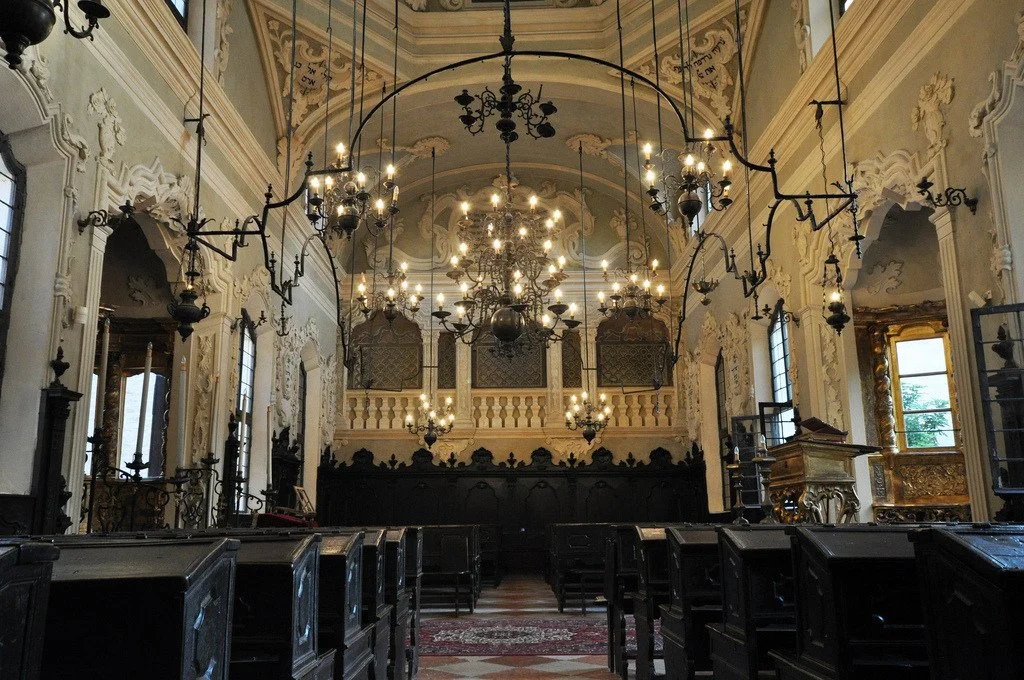
Norsa Synagogue in Mantua
Mantua’s Jewish community flourished in the early 17th century, with Jews comprising over 7% of the population. Today, the ghetto area is no longer enclosed or residentially Jewish, and much of its original architecture has been modernized. However, one of the original six synagogues—a faithful reconstruction of the Norsa Torrazzo Temple—has been restored and designated a national monument. Mantua’s most famous Jewish son, Rossi, also left a legacy in his remarkable music. Musica Vocale will perform his settings of Psalm 121: Esa einai (“I will lift up my eyes”) and Psalm 128” Ashrei kol yere Adonai (“Happy is everyone who fears the Lord.”) They will be sung in Hebrew.
“It’s a challenge because very few of us have spent anywhere near enough time singing in Hebrew, so we're coming to grips with what it's like to sing in the language,” Carter said. “And the language differs depending upon which denomination one comes from. The Sephardic pronunciation is slightly different than the Ashkenazi pronunciation, and then Yemenite Judaism is also very different. So we're trying to figure that particular piece of the puzzle out as we go. We're lucky to have one or two folks from the local congregations that are helping us nail that down.”
The Jewish works of Rossi were published in a two-volume collection, printed in Venice in 1622-23 under the title of 𝑯𝒂𝒔𝒉𝒊𝒓𝒊𝒎 𝒂𝒔𝒉𝒆𝒓 𝒍𝒊𝒔𝒉’𝒍𝒐𝒎𝒐.

Title page of 𝑯𝒂𝒔𝒉𝒊𝒓𝒊𝒎 𝒂𝒔𝒉𝒆𝒓 𝒍𝒊𝒔𝒉’𝒍𝒐𝒎𝒐 (1623). 𝘉𝘪𝘣𝘭𝘪𝘰𝘵𝘩𝘦̀𝘲𝘶𝘦 𝘕𝘢𝘵𝘪𝘰𝘯𝘢𝘭𝘦 𝘍𝘳𝘢𝘯𝘤𝘦.
Carter said that an important point of the program is not only the opportunity to sing and listen to Rossi's music, but to put it in a broader context, with music by composers who were his colleagues.
“And literally, Monteverdi was one of his colleagues,” Carter said. “They lived and worked alongside of each other. We believe that Rossi probably led the orchestra at the premiere of Monteverdi's opera Orfeo. We know that Rossi's sister, who was one of the first real operatic stars in Europe, premiered a number of roles in Monteverdi’s operas. We know they got on, at least as work colleagues, maybe even as friends. By putting Rossi and Monteverdi next to each other, there is a chance to hear that cross -pollination between the two of them.”
Carter said that after 15 years, Monteverdi got disgruntled at the Mantuan court and sought out better employment. After five years of wandering, he ended up in Venice.
“Rossi stayed in Mantua until his death,” Carter said. “Part of the reason may be because he was granted some special station because of his value as a musician and as a composer. He was exempted from having to wear the identification badge that Jews were required to wear during that period, which gave him the ability to move freely. If he conducted one of Monteverdi's operas, he must have been very highly regarded.”
The program includes two psalm settings by Monteverdi taken from his famous Vespers of 1610: Psalm 122 Laetatus Sum (“I was glad when they said unto me” ) and Psalm 126 Nisi Dominus (“Unless the Lord builds the house, the builders labor in vain”)
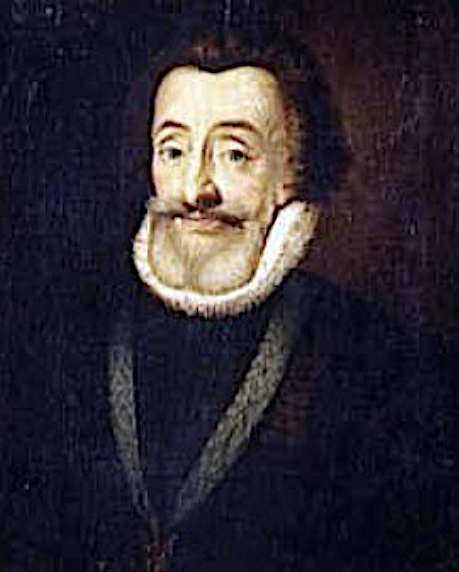
Salamone Rossi
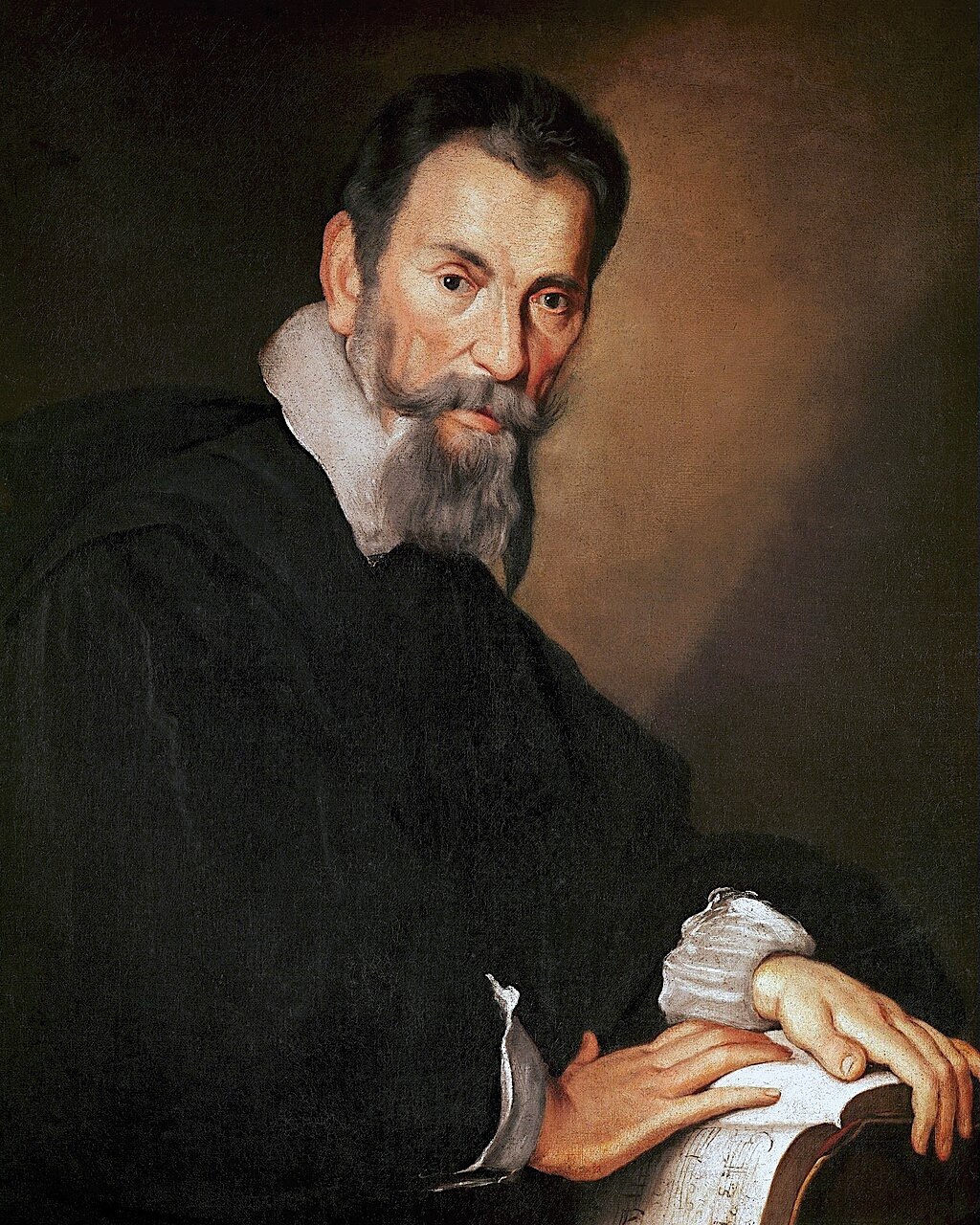
Claudio Monteverdi
The program will also include psalm settings by two other baroque composers, Henry Purcell and Johann Sebastian Bach. The music for the concert has been carefully chosen, as well as the order in which it’s performed.
“We've layered the program,” Carter said. “We're beginning with a Latin work by Henry Purcell, which is also unusual, followed by a Rossi work, followed by the psalms from Monteverdi’s Vespers, another one of Rossi's psalms, another one of Monteverdi's psalms, and then the second Latin work by Henry Purcell. And we're ending the program with the 800 -pound gorilla in the baroque room, which is Johann Sebastian Bach.”
Carter says that Purcell’s psalms in Latin, Psalm 3 Jehovah, quam multi sunt hostes mei (“O Lord, how many are my enemies!”) and Psalm 128 Beati omnes qui timent Dominum (“Blessed are all who fear the Lord”) are unusual because they were composed primarily in the 1680s, during the reign of King Charles II and Queen Catherine of Braganza. These works were likely intended for private Catholic worship, especially in Queen Catherine’s chapel, at a time when public Catholic expression in England was politically sensitive.
“I'm not sure that there's enough evidence to suggest that Purcell was Catholic, but we certainly can understand that he was influenced by the religious controversies of those days,” Carter said. “He's working for a monarch who many suspect of being a secret Catholic. King Charles is married to a Catholic queen from Portugal who holds her own Catholic chapel. That gets the Puritans all up in arms. So, it was complicated, I guess I would say.”
As Carter said, the concert will conclude with that 800-pound musical gorilla, Bach.
“Yes, we’re doing an early cantata by Bach,” Carter said. “Again, that's another one of the Psalms of Ascent. In this case, it's Aus der Tiefe (“Out of the depths have I cried unto thee, my Lord.”). We're doing it with our friends from the Kansas City Baroque Consortium. It's amazing what the right pitch, baroque bows, all of those sorts of things do. Bach becomes much more accessible, much easier to sing than if you're working with modern instruments that have all this raw sostenuto power that you have to try to cut through. We try very hard to make sure that we're in the ballpark with that stuff.”
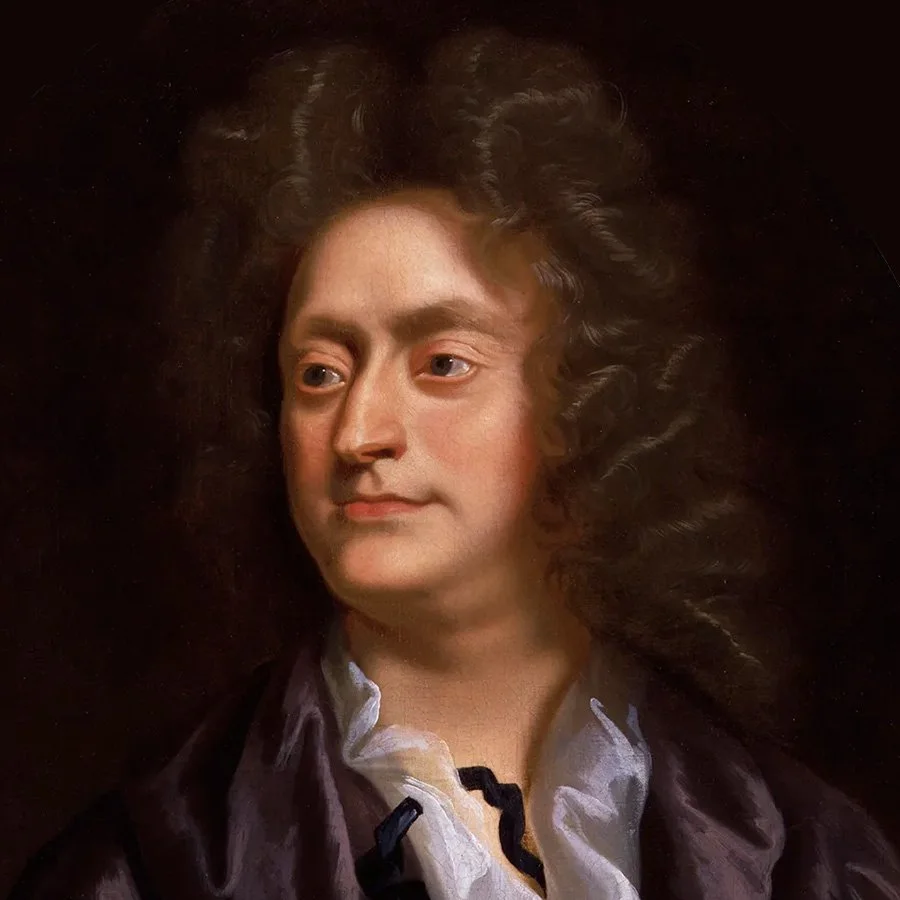
Henry Purcell
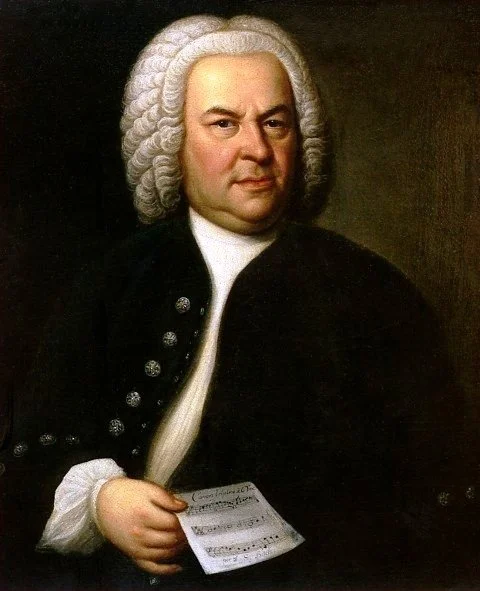
Johann Sebastian Bach
This quest for authenticity and acute attention to detail can be attributed to the founder of Musical Vocale, Arnold Epley. Now emeritus professor of music and director of choral studies at William Jewell College, Epley taught for 17 years at the college, shaping an astounding number of Kansas City’s classical music teachers and performers, Carter among them. Epley’s approach was always scholarly but never dry.
“When Arnold Epley stepped down as director of the Kansas City Symphony Chorus 17 years ago, he knew that he had other work that he really wanted to do,” Carter said. “He saw an opening for programming works that should be heard that weren't getting heard, and he immediately made a commitment that those are the works we're going to do. If you look at we've done over the years, a number of them are pieces that audiences in Kansas City have never had an opportunity to hear.”
With Psalms of Ascent, it’s obvious that Musica Vocale is in excellent hands with Jay Carter and Ryan Olsen as co-music directors. This is just the kind of programming that adds so much to the musical life of Kansas City, exploring the byways of the choral repertoire that are full of riches but are too often overlooked. Musica Vocale performs them with the highest musical standards, and thanks to their generous patrons and donors, they are able to present these musical jewels for free.
“We have a longstanding commitment to make sure that anyone who wants to come to our concerts can attend without some sort of barrier to entry,” Carter said. “Even if you're not somebody who normally goes to a choral concert, we would be a perfect place to try that out, since there's no financial barrier. There's also a reception afterward in the parish hall, where there's an opportunity to mingle with the musicians. to talk about what we're doing and what we've heard. And that’s almost as important a part of the concert as the singing is, the chance to connect with audiences.”
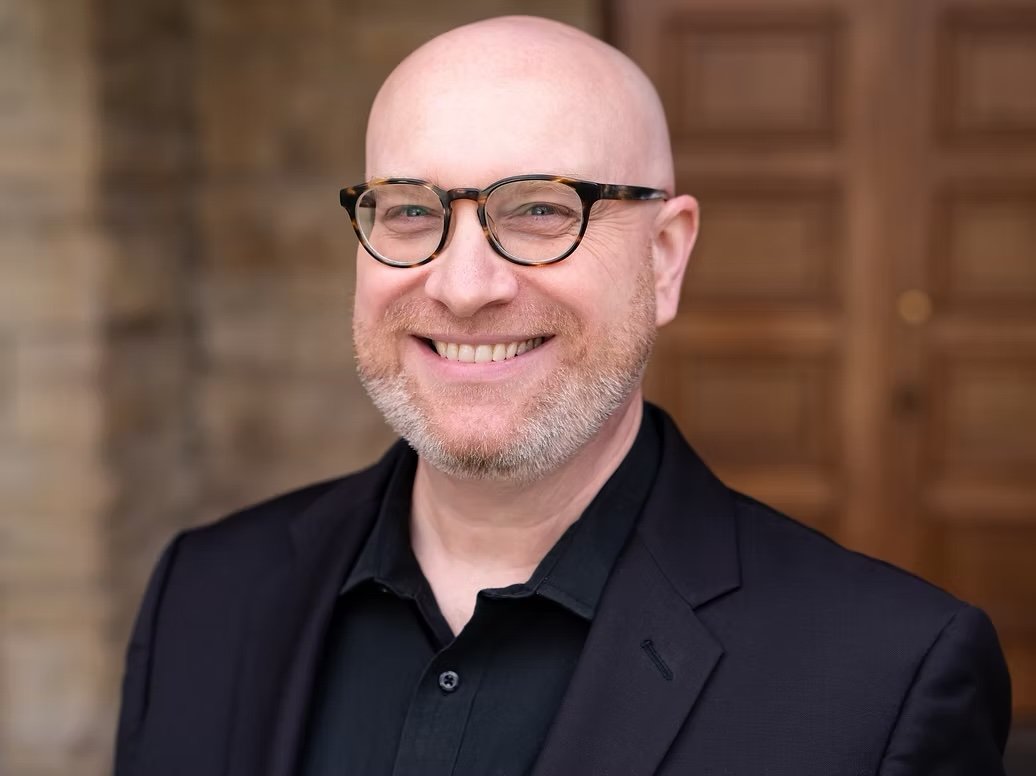
Jay Carter
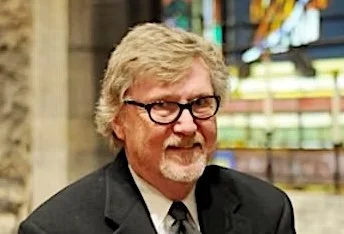
Arnold Epley
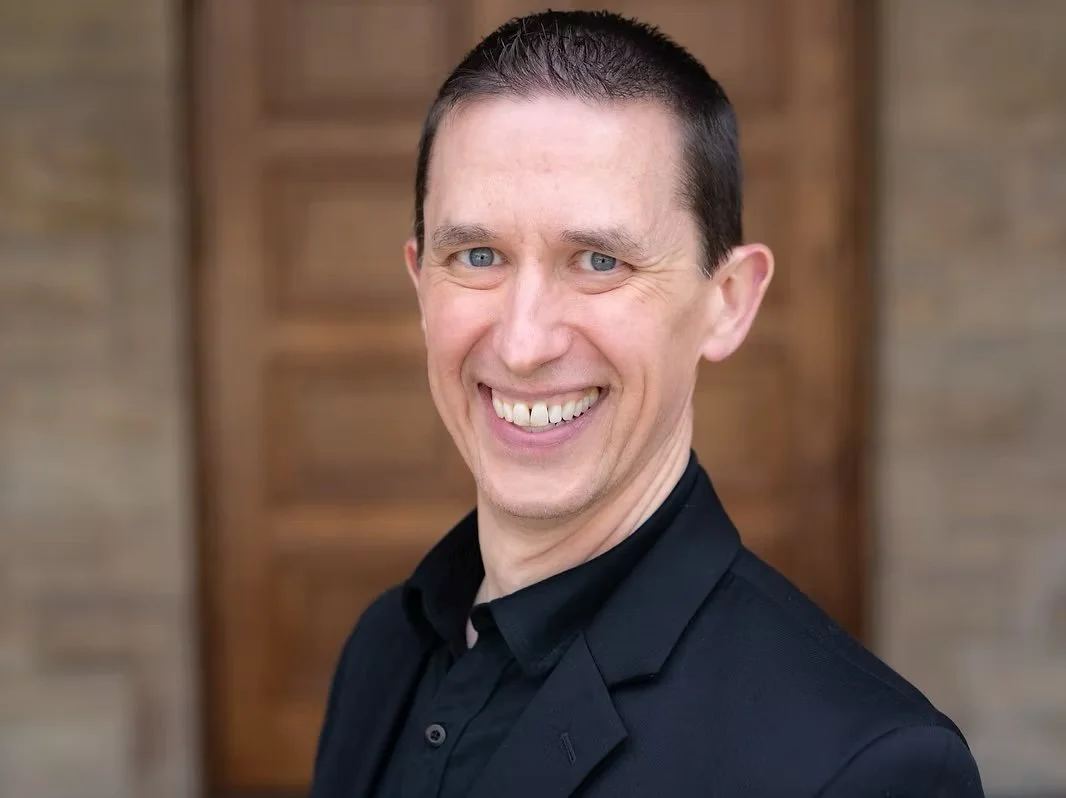
Ryan Olsen
Psalms of Ascent
Performed by Musica Vocale
4 p.m. Nov. 22 at Rainbow Mennonite Church, 1444 Southwest Boulevard, Kansas City, KS
For more information, musicavocale.org
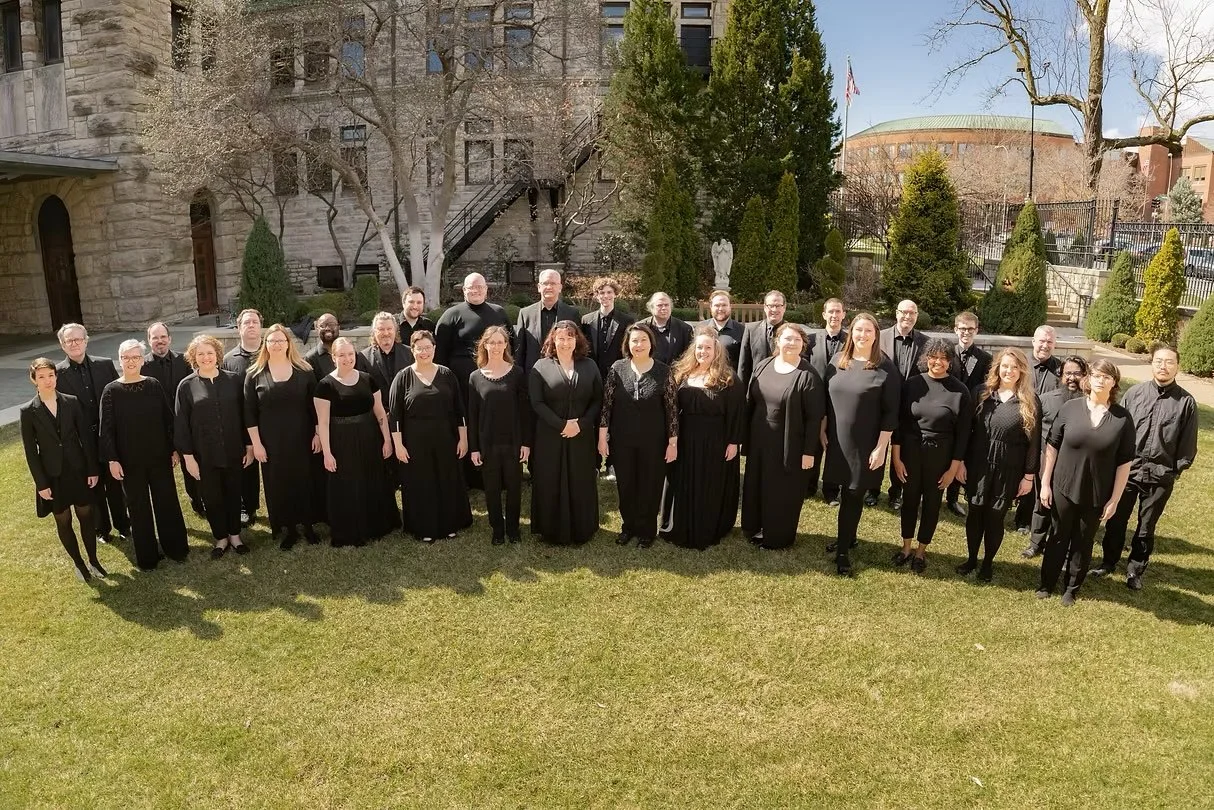
Musica Vocale