
Shining Light on a Grand Choral Tradition
Thin Air Productions Presents
Luminous Gems: A Glimpse at Five Centuries of English Music
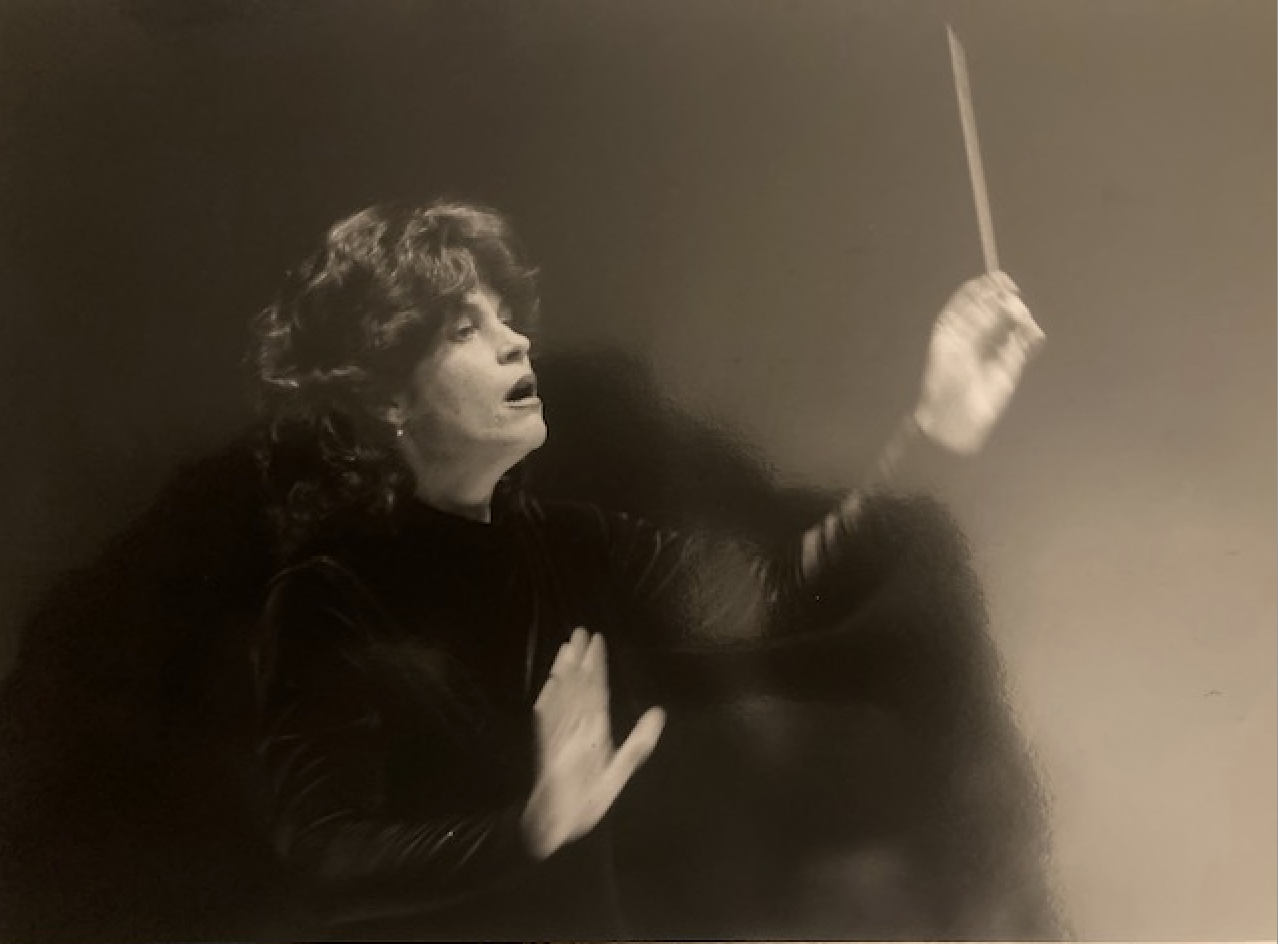
Stephanie Henry
At a time when most classical programs lean toward the familiar, Stephanie Henry is going for something different. Her organization, Thin Air Productions, only presents two concerts a year, but they’re very special musical experiences, indeed.
For example, her next concert, Luminous Gems: A Glimpse at Five Centuries of English Music, offers Kansas City a rare chance to hear a sweep of English choral writing from the Renaissance to the present day, all in a single hour, all performed by top local musicians and all completely free.
The concert takes place at 3 p.m. June 21 at Southminster Presbyterian Church.
Thin Air Productions began almost by accident. Henry, a Boston native with advanced conducting degrees from UCLA and USC, moved to Kansas City in 1999 after what she calls “a Dorothy story” of life changes, cross‑country drives and the discovery that Los Angeles traffic was no longer compatible with a musician’s sanity. Kansas City, by contrast, felt breathable.
“Kansas City has everything — arts, dance, theater, drama, music,” she says. “So I just planted myself here.”
Since her arrival, Henry has made herself an integral part of Kansas City’s classical music scene. She founded the KC Women’s Chorus, she taught choir and orchestra at Notre Dame de Sion girl’s high school, was Musical Director for the Theatre in the Park’s production of “Cats” and for nine years was Director of Music at Southminster Presbyterian Church. And for six years, Henry was the accompanist and Associate Conductor for the Lansing Correctional Facility’s Men’s Chorus. In 2017, she founded a women’s chorus at the Topeka Correctional Facility.
The idea of presenting concerts of off-the-beaten-path music was sparked by a pre‑pandemic performance of Beethoven’s Mass in C at Southminster. Audience members urged Henry to make such concerts an ongoing series. “People said, ‘Look, you need to make this a regular thing,’” she recalls. “So I did.”
Thin Air Productions now presents two public concerts a year, plus occasional house concerts, all built around repertoire that falls outside the usual rotation. “I choose music you’re not likely to hear downtown or in church,” she says. “Unusual repertoire. Things that deserve a life in performance.”
Like a celestial map of musical stars
Luminous Gems is a constellation of short works, each glowing in its own way. Henry begins with a nod to English hymnody, Hubert Parry’s Jerusalem, familiar from Chariots of Fire. “You can’t do a program of English music and not include hymnody,” she says. She’s using a modernized text, which she calls “a plea for peace.”
Henry then jumps to the future with music by the English composer and convert to Orthodoxy John Taverner. Cellist James Farquhar will be featured in the first movement from The Protecting Veil, Tavener’s meditative work conceived as a musical icon of the Virgin Mary. The first movement evokes the Feast of the Protecting Veil, where Mary spreads her mantle over the world in compassion and protection. The cello becomes her voice: long, arching lines that hover over a still, prayer‑like string texture.
Henry remembers hearing it once while driving and having to pull off the road. “I found it so riveting,” she says. “Very, very moving.”
From there, the program moves back to the Tudor masters. Thomas Tallis’s If Ye Love Me and William Byrd’s Ave Verum Corpus offer the clarity and inwardness that define English Renaissance sacred writing. “These pieces are short,” Henry notes, “but they give listeners a sense of the kind of sacred writing that Byrd and Tallis did and did better than anyone else before and after for quite a while.”
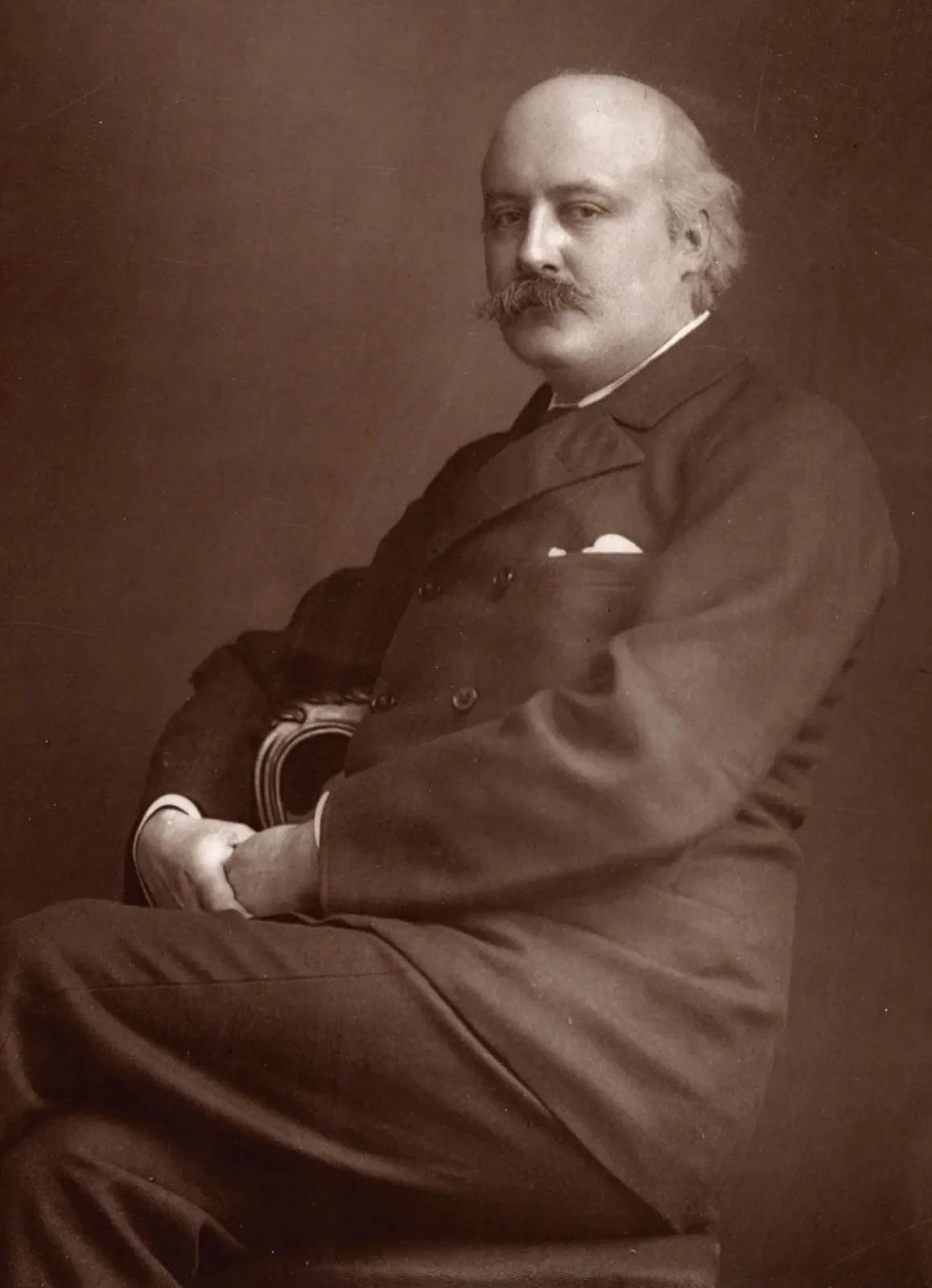
Hubert Parry

William Byrd

Thomas Tallis
Orlando Gibbons’s The Silver Swan, John Bennet’s Weep, O Mine Eyes, and Charles Stanford’s The Blue Bird.
“Orlando Gibbons wrote, call it a madrigal for lack of a better term, The Silver Swan,” Henry says. “You know, the myth that you don’t hear a swan until they’re ready to die. It’s a moving, moving work.”
Henry lights up when she talks about Stanford’s Blue Bird. “It is a stunning nature portrait. You see the lake, you hear the bird, you feel the air. It’s stunning.”

Purcell’s frost and Shakespeare’s bells
One of the program’s most theatrical moments comes from Henry Purcell’s King Arthur. Henry has extracted the “Frost Scene” from Act III. It’s a magical, otherworldly tableau. “Purcell manages to make these arias and choruses sound like the people are in a meat locker, freezing,” she says, laughing. “It’s amazing.”
Ralph Vaughan Williams appears twice on the program: first in Full Fathom Five, one of his Shakespeare settings.
Full fathom five thy father lies;
Of his bones are coral made;
Those are pearls that were his eyes:
Nothing of him that doth fade,
But doth suffer a sea-change
Into something rich and strange.
Sea-nymphs hourly ring his knell:
Ding-dong.
Hark! now I hear them,—ding-dong, bell.
“You feel like you’re in a bell chamber,” Henry says. “It’s wonderful.” Then comes Vaughan Williams’ organ arrangement of the Welsh hymn tune Rhosymedre. “It’s beautiful,” Henry says.
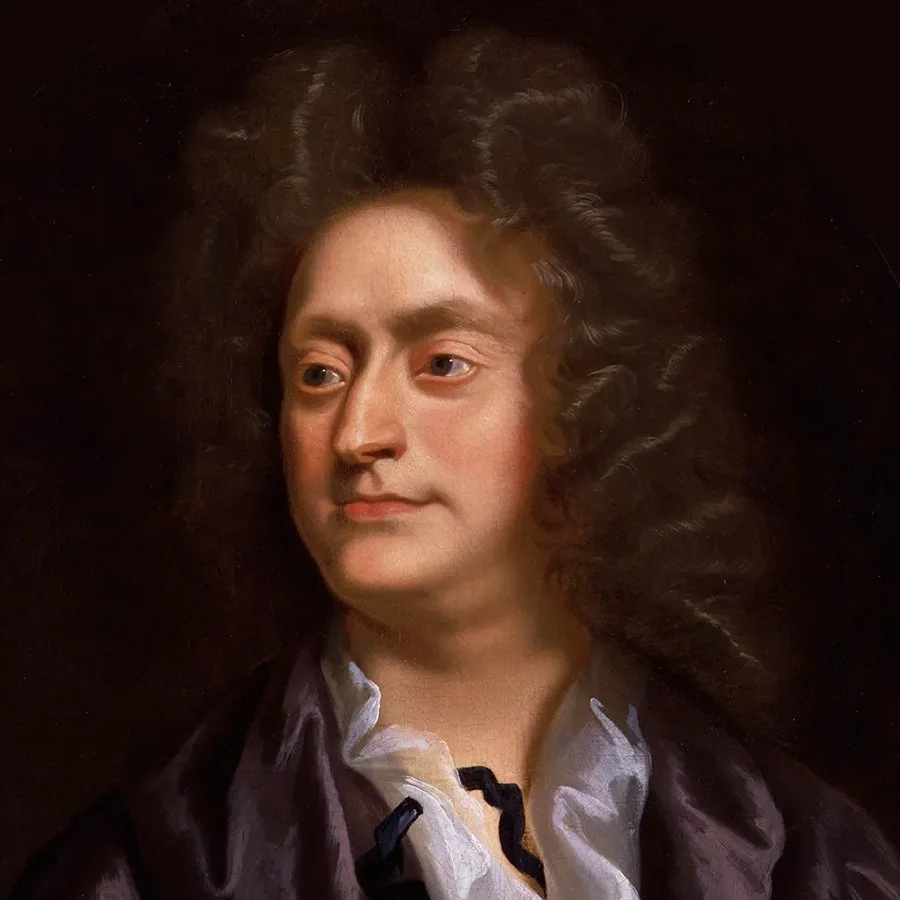
Henry Purcell

William Shakespeare
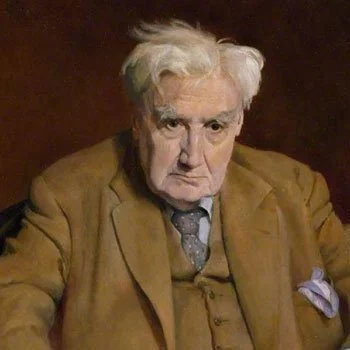
Ralph Vaughan Williams
Britten’s brilliance and Tavener’s spiritual spaciousness
Benjamin Britten’s Festival Te Deum brings a burst of modern energy: a challenging, organ‑driven setting of the ancient text We praise thee, O God. Henry calls it “a riveting, difficult piece for organ and choir.”
Written in 1944, it opens with a hushed, almost expectant choral line over a restless organ part, then erupts into bright, declamatory passages that feel both ceremonial and modern.
The concert concludes with music by Tavener, which Henry first encountered through Princess Diana’s funeral. “I lost it when I heard Song for Athene,” she says. “Beautiful, open, spacious writing. Not tons of notes, but somehow completely riveting.”
Song for Athene is a brief but piercingly beautiful elegy written in 1993 after the sudden death of Tavener’s young friend, Athene Hariades. He weaves together lines from the Orthodox funeral liturgy with words Athene herself loved from Shakespeare, creating a text that moves from earthly sorrow to radiant, other‑worldly peace. The music unfolds in slow, chant‑like waves, each repetition deepening the sense of blessing and release. Its final invocation — “May flights of angels sing thee to thy rest” — gives the piece its unmistakable emotional signature: grief transfigured into light.
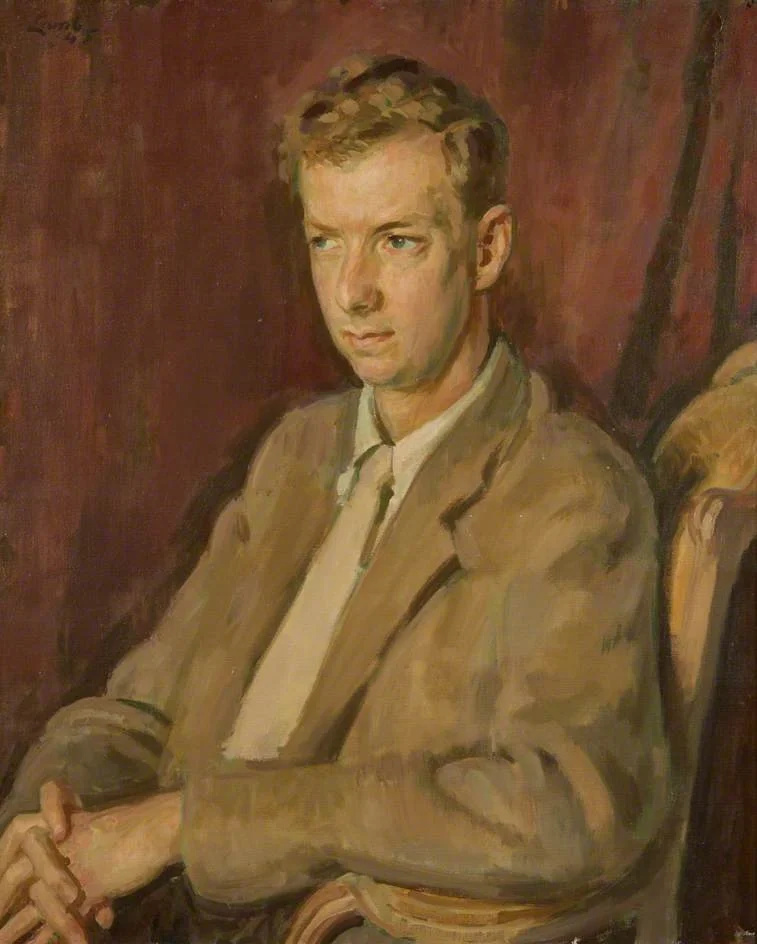
Benjamin Britten
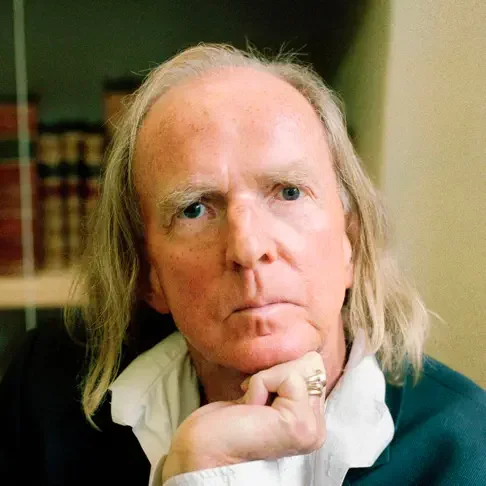
John Tavener
Henry is frank about the financial realities of putting on free concerts with excellent musicians. “I don’t have a staff,” she says. “We’re doing everything ourselves. An elderly uncle, to whom I was very close, passed away, and unbeknownst to any of us, he had quite a stash. There are three nieces and nephews to whom he bequeathed some of that stash, and you know, my first thought was, well, I know exactly what I’m going to do with my share. Everyone should be paid for their time.”
Audience support, she adds, will help Thin Air Productions grow into its next chapter.
Henry hopes listeners will come to Luminous Gems ready to discover something new. “I didn’t want it to be a program of greatest hits,” she says. “But there are definitely favorites — and a lot of beautiful music people have never heard before.”
Luminous Gems: A Glimpse at Five Centuries of English Music
3 p.m. Sunday, June 21 Southminster Presbyterian Church, 6306 Roe Avenue
Free and open to all.
Tavener’s Song for Athene sung at Princess Diana’s funeral.