
CHOIR GETS BRASSY 🎺
Festival Singers Perform Masterworks for Brass, Organ and Choir
By Patrick Neas, Classical Arts Beat
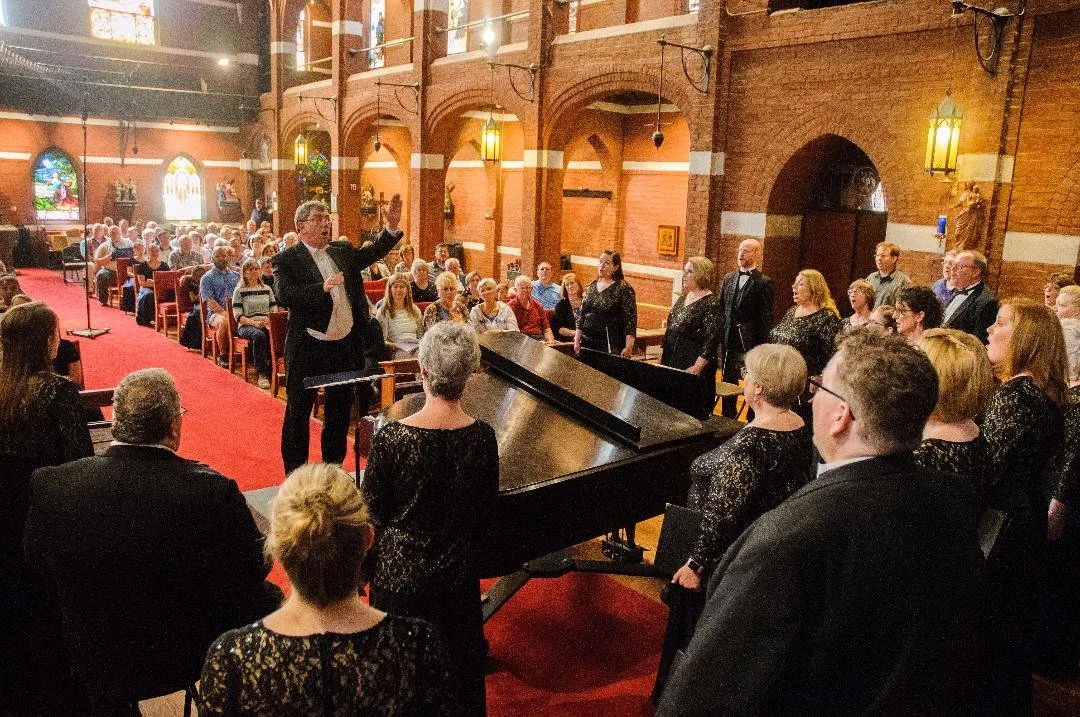
The William Baker Festival Singers return to St. Mary’s Episcopal Church on April 19 at 3:00 PM with their 14th annual Kenneth Babcock Memorial Concert. This year’s program, Masterworks for Brass, Organ and Choir, brings together the Festival Singers’ polished choral sound, the regal sound of the Festival Brass, the resonance of St. Mary’s acoustics and a thoughtful mix of works for chorus, brass, percussion, and organ.
“Ken Babcock was one of the patron saints of the Choral Foundation,” Baker said. “Without his generous support, without his creative input, without his faith in our mission, without his constant, enthusiastic, I dare say fervent, encouragement, the Festival Singers would not be what they are today.”
A Program Built Around Text and Tradition
The afternoon opens with William Mathias’s Let the People Praise Thee, O God, written for the 1981 wedding of Charles and Diana. Baker noted that while the royal marriage didn’t endure, the anthem certainly did.
“The piece has become a staple with finer church choirs and on the concert stage,” Baker said. Associate music director Christine Freeman conducts this bright, ceremonial opener.
The program then turns to a newer voice: My Shepherd, by composer‑in‑residence Sean Sweeden. Written for the 25th anniversary of the Summer Singers of Kansas City and premiered last fall, it is a bilingual setting in Hebrew and English, drawing primarily from Psalm 23 with additional text from Psalm 150.
“It is a profoundly beautiful setting,” Baker said. “Really lush, rich harmonies in the My Shepherd section and a thrilling ending.”
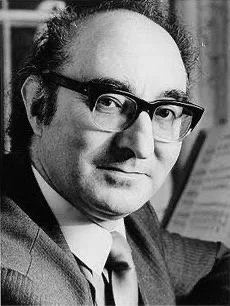
William Mathias
Next comes Zoltán Kodály’s Laudes Organi, a late work by the composer and one Baker has championed for many years.
“It’s a 12th‑century sequence in praise of the organ,” he said. “Kodály set this very unusual poetry in Latin, of course. It was his last major composition, and he did not live to hear the premiere.”
While Kodály’s orchestral works, especially Háry János, are beloved, his choral writing is absolutely beautiful and should be much better known It’s rooted in his lifelong belief that music literacy should be universal, a philosophy that led to the internationally adopted Kodály Method, still foundational in choral training today.
“I would recommend listeners check out his Missa Brevis,” Baker said. “It’s just a profound work. I’ve not done it yet, but one day I will.”
The program then moves to Glenn Rudolph’s The Dream Isaiah Saw, a piece written near the time of the 9/11 attacks and dedicated to those who perished.
“It’s a profound, sweet, and beautiful expression of the desirability of peace, not just peace among nations, but peace in the heart,” Baker said.
Brass, organ, and choir combine in a work that is both reflective and hopeful.
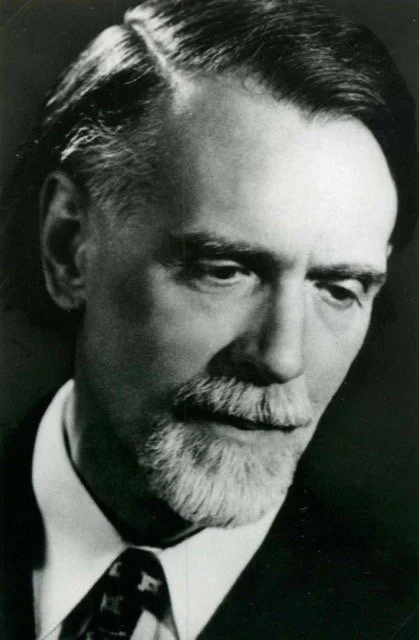
Zoltán Kodály
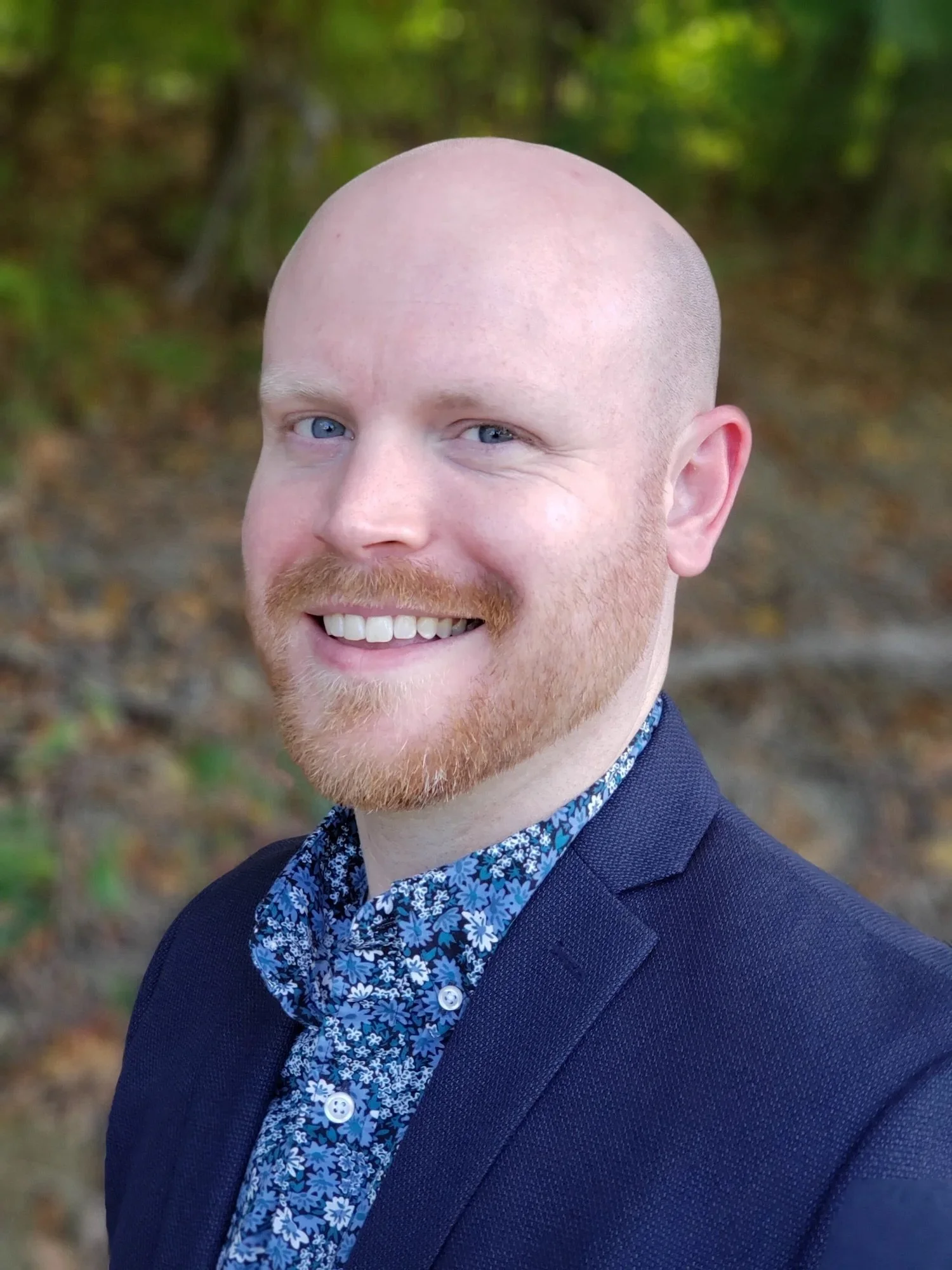
Sean Sweeden
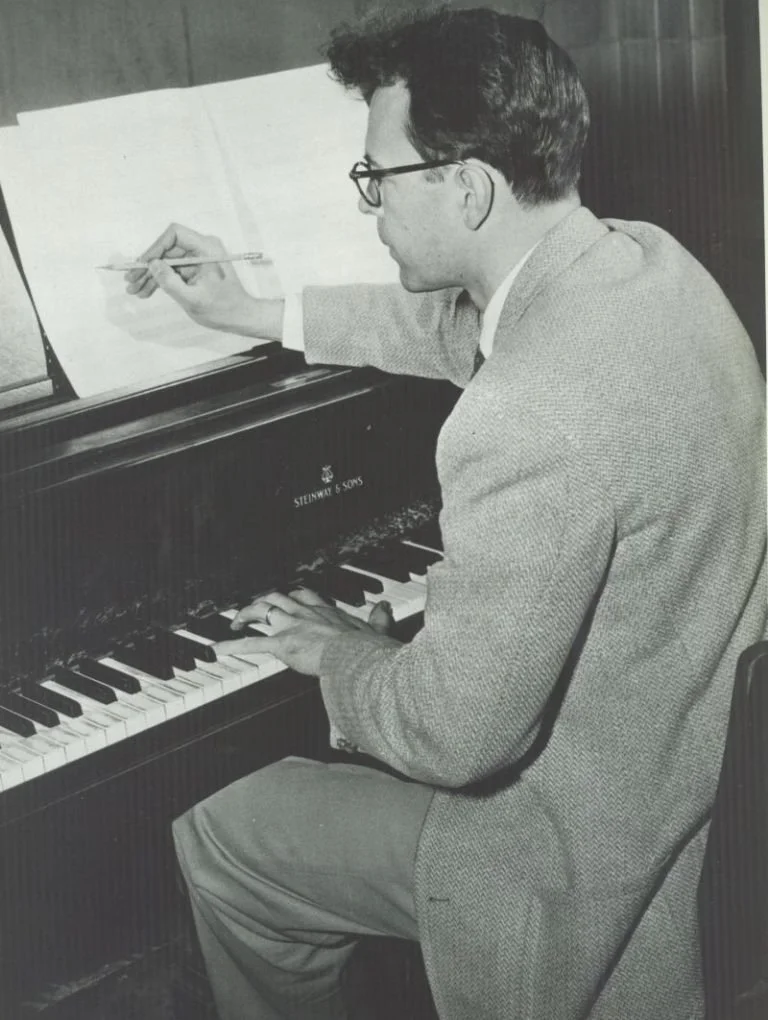
Glenn Rudolph